
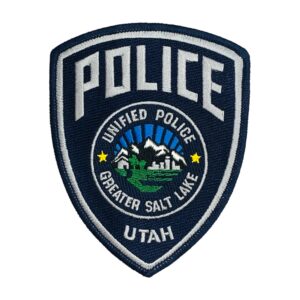
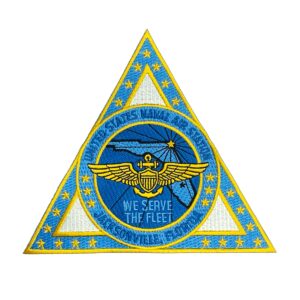
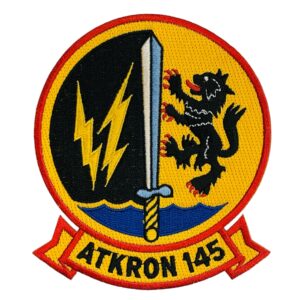
As embroidered insignia become more advanced in craft and materials, their contribution to public safety and organizational professionalism becomes even more indispensable. This article provides a full exploration of how military, police, and firefighter embroidered patches function, how they are applied, and why their design must adhere to strict standards.
Introduction: Why Military, Police, and Firefighter Embroidered Patches Are Essential
Military, police, and firefighter embroidered patches play a pivotal role in uniform systems by supporting identification, command hierarchy, and organizational culture. While the public often recognizes these patches as decorative insignia, professionals within these sectors understand that they serve as mission-critical tools for communication, coordination, and morale. This introduction provides an overview of why such patches must be designed with accuracy, durability, and symbolism in mind, and why specialized embroidery techniques are crucial for high-stress environments like emergency response or tactical operations.
Embroidered patches used by military, police, and firefighting units must withstand harsh working conditions—heat, abrasion, sweat, moisture, and continuous movement. The combination of dense embroidery, reinforced backing, and heat-resistant or abrasion-resistant fabrics ensures that each patch remains clear and intact during missions. Beyond durability, these patches hold symbolic value: they convey unit pride, history, professional identity, and the shared mission of protecting communities. A patch can represent a city’s fire department, a national police agency, or a specialized military division, making it more than a uniform accessory—it’s a badge of honor.
To newcomers or individuals outside the field, understanding these patches provides meaningful insight into how uniformed organizations maintain structure, discipline, and public recognition. Throughout this article, we will explore patch functions, symbolic elements, production materials, technical embroidery considerations, and real-world application cases. Together, these insights offer a comprehensive foundation for anyone who wants to understand or design military, police, and firefighter embroidered patches.
Table: Key Reasons Why Specialized Embroidered Patches Are Essential
| Purpose | Description | Relevance to Military, Police & Firefighting |
|---|---|---|
| Identification | Helps distinguish units, divisions, and personnel roles | Critical during operations and public interactions |
| Rank & Authority | Shows hierarchy clearly for coordination | Supports command structure and discipline |
| Durability | Withstands heat, motion, and impact | Needed in tactical and emergency scenarios |
| Symbolism | Represents mission, history, and values | Builds unity and professional pride |
| Compliance | Adheres to official standards | Ensures consistency across uniform |
Extended Reading
-
- How to Design Artwork for Embroidery
https://artistembroidery.com/embroidered-patches-uniform-industry/
- How to Design Artwork for Embroidery
-
- High-Density Embroidery Stitch Count
https://artistembroidery.com/sustainable-embroidered-patches/
- High-Density Embroidery Stitch Count
Core Functional Categories of Military, Police, and Firefighter Embroidered Patches
Military, police, and firefighter embroidered patches perform several essential functional roles that support both operational efficiency and organizational identity. While many people recognize these patches as symbols of authority, their functions extend far deeper into communication, coordination, and safety. Each patch on a uniform communicates precise information—such as unit affiliation, rank, qualification, or emergency role—that helps teams operate effectively in high-pressure environments. For this reason, embroidered patches must be designed with clarity, durability, and consistent symbolism. Their placement, colors, shapes, and stitching density all contribute to immediate recognition in the field.
The following subsections break down the three most fundamental functional categories: identification, rank and position, and unit symbolism. Together, these roles form the backbone of uniform communication systems across all military, police, and firefighting organizations. Understanding these categories allows designers, procurement teams, and operational leaders to create patches that not only look professional but also enhance mission performance and reinforce team pride.
Identification: Clear and Immediate Visual Recognition
In military, police, and firefighting operations, identification is crucial. Embroidered patches provide instant visual confirmation of who a person is, which organization they belong to, and what function they perform. This is especially important during multi-agency responses, public interactions, or large-scale disasters. Identification patches may include department names, city names, national emblems, or specialty unit codes.
High-visibility materials, such as reflective thread or bold color contrast, are often used to ensure clarity under low-light or smoky conditions. Compared to printed patches, embroidered identification patches maintain their texture and definition longer, even after repeated exposure to heat, abrasion, or moisture. This makes them ideal for demanding fields such as firefighting, tactical police operations, and military deployment environments.
Rank & Position: Maintaining Hierarchy and Command Structure
Rank and position patches help maintain order and hierarchy in uniformed organizations. They convey who is in charge, who has decision-making authority, and how teams should coordinate during operations. For police forces, this may include insignia representing sergeants, lieutenants, inspectors, or commanders. In the fire service, rank patches often represent firefighters, captains, battalion chiefs, or high-level command staff.
Military rank patches range from enlisted grades to officer designations, and often follow strict national guidelines. Embroidery is preferred because it enhances visibility and provides a textured, prestigious appearance that matches the significance of rank. Metallic thread or gold/silver embroidery is frequently used for higher-ranking officers to emphasize leadership authority.
Unit Symbol & Honor: Representing Tradition, Values, and Elite Status
Beyond functional identification, embroidered patches carry deep symbolic meaning. They represent unit history, traditions, values, and collective pride. For example, a firefighter’s patch featuring axes and flames signifies bravery and readiness. A police SWAT patch may represent tactical specialization and precision. Military unit patches often include national emblems, animals, or historical references tied to their heritage.
Symbolic patches reinforce morale and unity, reminding personnel that they are part of something greater than themselves. These patches are also widely collected, displayed, or exchanged during joint training events, highlighting their cultural and ceremonial importance.
Table: Functional Categories of Military, Police, and Firefighter Embroidered Patches
| Functional Category | Description | Typical Design Elements | Importance |
|---|---|---|---|
| Identification | Confirms department, city, or agency | Name text, badges, shields | Ensures fast and accurate recognition |
| Rank & Position | Shows leadership hierarchy | Stripes, stars, metallic thread | Supports command structure |
| Unit Symbol & Honor | Highlights history and identity | Animals, tools, national emblems | Strengthens pride and unity |
Extended Reading
-
- Embroidered Patches in the Uniform Industry
https://artistembroidery.com/embroidered-patches-uniform-industry/
- Embroidered Patches in the Uniform Industry
-
- Sustainable Embroidered Patches
https://artistembroidery.com/sustainable-embroidered-patches/
- Sustainable Embroidered Patches
Common Patch Types and Uniform Placement Guidelines
Understanding the different types of military, police, and firefighter embroidered patches—and where they should be placed—is essential for ensuring proper identification, operational efficiency, and regulatory compliance. Each type of patch serves a specific purpose, whether for visibility, authority, or organizational representation. Uniform placement is rarely random; instead, it follows strict guidelines to ensure that personnel can be recognized quickly during missions or public interactions. This section explains the major patch categories used in uniformed services, the roles they play, and the proper placement of each one on tactical, emergency-response, and ceremonial uniforms.
By exploring these patch types and configurations, designers and procurement teams can ensure that embroidered patches are both functional and aesthetically consistent. Proper placement also enhances professionalism, allowing agencies to present a unified and trustworthy image while following long-standing uniform traditions.
Shoulder, Chest, and Sleeve Patches: Understanding Their Functional Roles
Military, police, and firefighter organizations typically use three primary patch locations: shoulders, chest, and sleeves. Each placement offers unique advantages and communicates different information.
-
- Shoulder Patches
These patches often represent the department, agency, or division. In fire departments, for example, shoulder patches may show city names, station identifiers, or emblematic symbols such as axes or flames. Police departments frequently use shoulder patches to display shields, badges, or jurisdictional symbols. Military units may use them for brigade or battalion insignia. Their elevated position ensures high visibility, particularly in crowds or during movement.
- Shoulder Patches
-
- Chest Patches
Chest patches usually display an individual’s name, rank, or specific qualification badges. Firefighters often have reflective name patches for night visibility. Police tactical units may include “POLICE,” “K9 UNIT,” or “SWAT” embroidered patches to ensure clear identification during operations. Militaries commonly use chest patches for name tapes and service-specific identifiers.
- Chest Patches
-
- Sleeve Patches
Sleeve patches often highlight specialty roles, certifications, missions, or temporary assignments—such as training academies, rescue units, or special operations teams. For firefighters, sleeve patches may include EMT symbols or hazardous-material team identifiers. For military forces, sleeve patches often include deployment insignia or morale patches.
- Sleeve Patches
Left vs. Right Arm Patch Placement Rules
Different sectors follow specific traditions and official guidelines for patch placement:
-
- Left Arm
Often used for organizational or agency identifiers.
Example: Police departments place their official department emblem on the left shoulder for public visibility.
- Left Arm
-
- Right Arm
Frequently reserved for unit numbers, operational roles, national flags, or special assignment patches.
Example: Firefighters may place a reflective U.S. flag or local equivalent on the right sleeve, following emergency service convention.
- Right Arm
This uniform consistency ensures rapid situational awareness during emergencies or tactical missions.
Table: Patch Types and Standard Placement
| Patch Type | Primary Purpose | Typical Placement | Used By |
|---|---|---|---|
| Shoulder Patch | Department or unit identification | Left or right shoulder | Police, Fire, Military |
| Chest Patch | Name, rank, or qualification | Over left or right chest | All sectors |
| Sleeve Patch | Specialty roles or missions | Upper or lower sleeve | Fire rescue, SWAT, military divisions |
| Flag Patch | National or state affiliation | Right arm | Firefighters, tactical police, military |
| Tactical Patch | Operational or mission info | Chest or sleeve | SWAT, special forces |
Extended Reading
-
- Embroidered Patches in the Uniform Industry
https://artistembroidery.com/embroidered-patches-uniform-industry/
- Embroidered Patches in the Uniform Industry
-
- Complete Guide to Embroidered Patches
http://artistembroidery.com/complete-guide-to-embroidered-patches/
- Complete Guide to Embroidered Patches
Symbolism in Patch Designs: Icons, Colors, and Meaning
Symbolism is one of the most defining characteristics of military, police, and firefighter embroidered patches. Beyond functionality, these patches reflect history, mission, identity, and cultural values. Symbols communicate messages instantly, even across language barriers, and help unify personnel under shared goals. For this reason, iconography and color selection must be intentional and grounded in tradition. Inaccurate symbols—or improper use of them—can misrepresent a unit’s identity, diminish credibility, or violate official standards.
In this section, we explore the common visual elements found in specialized embroidered patches and explain why they hold deep meaning in uniformed professions. Understanding these symbolic foundations helps both designers and agencies create patches that remain consistent, dignified, and representative of each unit’s purpose.
Common Icons: Shields, Flames, Eagles, Axes, Ladders, and National Elements
Military, police, and firefighter patches frequently incorporate powerful visual icons that embody authority and service:
-
- Shields
Shields are prevalent in police embroidered patches, symbolizing protection, law enforcement authority, and public safety.
- Shields
-
- Flames & Fire Axes
Firefighters often use symbols like flames, axes, hydrants, or ladders. These icons represent courage, rescue operations, and readiness to confront danger.
- Flames & Fire Axes
-
- Eagles & Wings
Eagles symbolize vigilance, strength, and national pride. Military patches often use them to represent sovereignty and elite status.
- Eagles & Wings
-
- Crossed Tools
Firefighters frequently display crossed tools—such as pike poles or axes—to signify teamwork and operational capability.
- Crossed Tools
-
- National Emblems & Flags
Many patches incorporate national colors or flags to reinforce allegiance and service to one’s country.
- National Emblems & Flags
These motifs ensure instant recognition and reflect the historical roots of uniform insignia.
Color Symbolism: Red, Blue, Gold, Black, and High-Visibility Contrast
Color selection plays an equally significant role in the message conveyed by embroidered patches:
-
- Red
Common in firefighter patches, symbolizing emergency response, heat, courage, and life-saving missions.
- Red
-
- Blue
Widely used by police agencies, blue represents trust, order, professionalism, and public service.
- Blue
-
- Gold or Metallic Thread
Typically used for rank or ceremonial patches, gold signifies command authority, prestige, and high-level leadership.
- Gold or Metallic Thread
-
- Black
Symbolizes strength, tactical operations, and solemn honor—often used in military and special police unit patches.
- Black
-
- High-Visibility Colors
Reflective silver or neon tones are used when visibility in smoke, low light, or disaster environments is critical.
- High-Visibility Colors
Choosing the right color palette not only enhances aesthetics but also ensures compliance with established uniform standards.
Table: Common Icons and Their Symbolic Meanings
| Icon / Symbol | Common Use | Meaning | Used By |
|---|---|---|---|
| Shield | Police patches | Protection, authority | Police |
| Fire Axes & Flames | Firefighter patches | Courage, readiness, emergency action | Fire Departments |
| Eagle | Military & tactical units | Strength, vigilance, sovereignty | Military, SWAT |
| Ladder / Hydrant | Fire rescue | Rescue capability, preparedness | Firefighters |
| National Flag | All sectors | Loyalty, identity, national service | Police, Fire, Military |
| Stars / Stripes | Rank patches | Leadership, hierarchy | Police & Military |
Extended Reading
-
- Collectible Embroidered Patches
https://artistembroidery.com/collectible-embroidered-patches/
- Collectible Embroidered Patches
-
- Embroidered Patches Trend: Collectible Culture
https://artistembroidery.com/embroidered-patches-trend-collectible/
- Embroidered Patches Trend: Collectible Culture
-
- How Embroidered Patches Enhance Brand Recognition
https://artistembroidery.com/how-embroidered-patches-enhance-brand-recognition-patches/
- How Embroidered Patches Enhance Brand Recognition
Essential Materials and Embroidery Techniques for Professional Military, Police, and Firefighter Patches
The quality and durability of military, police, and firefighter embroidered patches depend heavily on the materials and embroidery techniques used during production. These patches must endure extreme environments—heat, abrasion, moisture, UV exposure, tactical movement—while maintaining clarity, legibility, and structural integrity. For this reason, specialized uniform patches require stronger fabrics, denser stitching, and reinforced backing options compared to standard commercial patches. Selecting the right combination of materials and embroidery techniques ensures that each patch performs reliably and meets the operational needs of emergency and defense sectors.
This section explores the critical components that influence patch performance: thread materials, fabric types, backing options, and precision embroidery methods. Understanding these elements allows decision-makers and designers to create professional-grade patches that comply with uniform standards and withstand demanding conditions.
Embroidery Thread Types: Rayon, Polyester, Matte Thread, and Metallic Fibers
Thread selection is one of the most important factors in producing high-quality embroidered patches.
-
- Rayon Thread
Known for its sheen and smooth finish, rayon is suited for ceremonial or dress-uniform patches but offers less resistance to heat and abrasion.
- Rayon Thread
-
- Polyester Thread
The most common choice for military, police, and firefighter embroidered patches. Polyester resists fading, heat, and moisture, making it ideal for field operations.
- Polyester Thread
-
- Matte / Non-Reflective Thread
Used for tactical or SWAT patches where stealth and low visibility are required.
- Matte / Non-Reflective Thread
-
- Metallic Thread
Often used in rank patches or high-prestige insignia. Its reflective, gold-tone appearance conveys authority but requires more careful stitching for durability.
- Metallic Thread
Fabric Options: Twill, Canvas, Nylon, and Ripstop Materials
Patch durability is largely determined by the base fabric:
-
- Twill Fabric
A common choice for embroidered patches due to its stability and ability to support dense stitching.
- Twill Fabric
-
- Canvas
Offers superior strength and is ideal for large patches requiring long-term durability.
- Canvas
-
- Nylon & Tactical Fabrics
Military and firefighter uniforms often use nylon-based fabrics that resist moisture and abrasion. Patches designed for these uniforms must match the uniform’s resilience.
- Nylon & Tactical Fabrics
-
- Ripstop Fabric
Reinforced to prevent tearing, making it excellent for tactical applications or heavy field use.
- Ripstop Fabric
Backing Options: Hook-and-Loop (Velcro), Iron-On, and Sew-On
The backing method determines how securely a patch stays in place:
-
- Hook-and-Loop (Velcro)
Standard for tactical police and military units that frequently switch gear or assignments.
- Hook-and-Loop (Velcro)
-
- Iron-On Backing
Suitable for uniforms requiring clean application, though less common in high-heat environments such as firefighting.
- Iron-On Backing
-
- Sew-On Backing
The most durable option, preferred for permanent identification patches in firefighting and police work.
- Sew-On Backing
Table: Material & Technique Comparison
| Component | Options | Strengths | Best Use Cases |
|---|---|---|---|
| Thread | Polyester, Rayon, Metallic, Matte | Durability, sheen, heat resistance | Military, Police, Firefighter duty uniforms |
| Base Fabric | Twill, Canvas, Nylon, Ripstop | Stability, tear resistance | Tactical gear, firefighter jackets |
| Backing | Velcro, Sew-On, Iron-On | Flexibility or permanence | SWAT, fire rescue, military field ops |
| Embroidery Density | Standard, High-Density | Detail clarity, durability | Detailed logos, official insignia |
Extended Reading
-
- High-Density Embroidery Stitch Count
https://artistembroidery.com/high-density-embroidered-stitch-count/
- High-Density Embroidery Stitch Count
-
- Laser Cutting in Embroidery
https://artistembroidery.com/laser-cutting-in-embroidery/
- Laser Cutting in Embroidery
-
- Why Choose Tajima Embroidery Machines
https://artistembroidery.com/why-choose-tajima-embroidery-machines/
- Why Choose Tajima Embroidery Machines
Patch Design Standards and Recommended Dimensions for Military, Police, and Firefighting Agencies
Designing military, police, and firefighter embroidered patches requires strict adherence to professional standards that ensure clarity, durability, consistency, and regulatory compliance. Unlike commercial patches, uniform insignia must communicate precise information—rank, unit, jurisdiction, or qualification—without ambiguity. Poor design choices such as overly thin lines, insufficient stitch density, or incorrect dimensions can compromise readability and diminish the patch’s symbolic authority. Furthermore, many agencies follow established traditions or national standards that dictate sizing, placement, and color usage.
This section outlines essential design principles and recommended dimensions that support the functional and symbolic integrity of specialized embroidered patches. By understanding these guidelines, designers and procurement teams can ensure that every patch maintains optimal visibility and professional alignment across different uniforms and operational environments.
Standard Dimensions for Common Patch Types
While exact dimensions vary by country and agency, several widely accepted size ranges are commonly used across uniformed services:
-
- Shoulder Patches
Typical size: 9–11 cm in height, shaped as shields, ovals, or layered crests.
Fire departments often use larger shoulder patches to increase visibility during emergency response.
- Shoulder Patches
-
- Chest Name Tapes
Standard dimensions: 2.5–3 cm height × 10–14 cm width.
These patches must be readable from mid-range distance and often feature reflective or matte thread depending on operational needs.
- Chest Name Tapes
-
- Rank Patches
Dimensions vary by system, but most fall within 4–6 cm in height.
Metallic thread or bold geometric symbols (bars, stars, stripes) ensure immediate recognition.
- Rank Patches
-
- Special Unit or Qualification Patches
Often smaller—5–8 cm—and placed on sleeves or tactical vests.
- Special Unit or Qualification Patches
Designers must ensure all elements within these dimensions are embroidered with sufficient clarity and stitch density to maintain legibility under stress conditions.
Avoiding Common Design Errors: Line Spacing, Density, and Micro-Detail Limits
Certain embroidery limitations must be respected to achieve a clean and professional result:
-
- Minimum Line Thickness: At least 0.8–1 mm for visibility and durability.
-
- Minimum Text Height: Preferably 4 mm or higher for embroidered letters.
-
- Avoid Ultra-Thin Lines: They break easily during stitching and washing cycles.
-
- Limit Micro-Details: Overly complex logos lose clarity when scaled down to patch size.
-
- Ensure Proper Stitch Density: High-density embroidery is essential for symbols like shields, flames, and national emblems.
Following these rules prevents costly reworks and ensures reliable readability in operational environments such as smoke-filled firegrounds or low-light tactical missions.
Functional Requirements: Heat Resistance, Abrasion Durability, and Wash Stability
Military, police, and firefighting patches must withstand significantly harsher conditions than civilian patches:
-
- Heat Resistance (especially for firefighters): Polyester thread and flame-resistant fabrics are essential.
-
- Abrasion Durability: Tactical operations require tightly stitched borders and reinforced edge sealing.
-
- Wash Stability: Uniforms undergo industrial laundering; patches must retain shape and color after repeated washing cycles.
-
- UV Resistance: Outdoor operations require protection against fading from sunlight exposure.
These considerations ensure that embroidered patches stay intact and identifiable throughout their service life.
Table: Standard Patch Dimensions and Design Guidelines
| Patch Type | Typical Size | Key Design Requirements | Notes |
|---|---|---|---|
| Shoulder Patch | 9–11 cm height | High-density stitching, bold shapes | Common on police & fire uniforms |
| Chest Name Tape | 2.5–3 × 10–14 cm | Reflective or matte thread, clear text | Used across all agencies |
| Rank Patch | 4–6 cm | Metallic thread, geometric shapes | Officer and leadership insignia |
| Special Unit Patch | 5–8 cm | Distinct symbols, strong contrast | Tactical or qualification badges |
Extended Reading
-
- How to Design Artwork for Embroidery
https://artistembroidery.com/how-to-design-artwork-for-embroidery/
- How to Design Artwork for Embroidery
-
- Laser Cutting in Embroidery
https://artistembroidery.com/laser-cutting-in-embroidery/
- Laser Cutting in Embroidery
-
- Complete Guide to Embroidered Patches
http://artistembroidery.com/complete-guide-to-embroidered-patches/
- Complete Guide to Embroidered Patches
Patch Production Workflow: From Concept to Final Embroidered Patch
Producing military, police, and firefighter embroidered patches requires a structured and precise workflow to ensure that each patch meets operational, aesthetic, and durability standards. Unlike general commercial embroidery, uniformed service patches must achieve exceptional clarity, withstand extreme conditions, and comply with official regulations. A well-designed workflow helps minimize errors, maintain consistency during mass production, and ensure that every patch reflects the professional identity and mission values of the agency it represents.
This section breaks down the essential stages of the production process—from design planning to embroidery execution, quality inspection, and final delivery. Understanding this workflow is crucial for procurement teams, designers, and units seeking reliable OEM or ODM production for embroidered insignia.
Step 1: Design Planning and Requirement Analysis
Every embroidered patch begins with a detailed requirement analysis. Military, police, and firefighting agencies typically define:
-
- Patch purpose (identification, rank, unit symbol, etc.)
-
- Required dimensions
-
- Color palette aligned with agency symbolism
-
- Fabric type and thread material
-
- Placement guidelines (shoulder, chest, sleeve)
-
- Regulatory or traditional design standards
A clear design brief ensures that the embroidery team understands the intended functionality and visual style. During this stage, designers translate conceptual ideas into precise digital artwork.
Step 2: Creating the Embroidery Digitized File (Punching)
Digitizing—also known as punching—is a technical process that converts artwork into stitch paths. High-quality digitizing is vital for military, police, and firefighter embroidered patches because these designs often include intricate symbols such as eagles, shields, flames, national emblems, or rank structures.
Key considerations include:
-
- Stitch density for durability
-
- Underlay stitching for stability
-
- Direction of thread flow
-
- Edge reinforcement
-
- Line thickness for legibility
A well-digitized file ensures crisp edges, clear text, and long-lasting structural integrity.
Step 3: Sample Production and Revision (Prototype Stage)
Before mass production begins, a physical sample is produced. Agencies review:
-
- Color accuracy
-
- Symbol clarity
-
- Stitch density
-
- Fabric compatibility
-
- Border quality
Adjustments are made where necessary, preventing large-scale production errors. Sample patches also allow field personnel to test durability and visibility under real conditions.
Step 4: Mass Production, Quality Inspection, and Final Delivery
Once the sample is approved, mass production begins using industrial embroidery machines—often multiple-head systems capable of producing patches efficiently and consistently. After embroidery, patches are trimmed, heat-sealed, laser-cut, or edge-finished depending on design requirements.
Quality inspection evaluates:
-
- Stitch uniformity
-
- Color consistency
-
- Accurate dimensions
-
- Edge reinforcement
-
- Backing attachment strength (Velcro, sew-on, iron-on)
Only patches that meet all standards proceed to packaging and delivery.
Table: Patch Production Workflow Overview
| Production Stage | Key Tasks | Importance |
|---|---|---|
| Design Planning | Requirement analysis, artwork creation | Ensures compliance & functional clarity |
| Digitizing | Stitch mapping, density setup | Determines patch durability & detail quality |
| Sample Creation | Prototype testing & revisions | Prevents mass-production errors |
| Mass Production | Embroidery, trimming, backing | Ensures uniform quality |
| Final Inspection | Checking size, color, stitching | Guarantees professional-grade results |
Extended Reading
-
- OEM Embroidery Manufacturer
https://artistembroidery.com/oem-embroidery-manufacturer/
- OEM Embroidery Manufacturer
-
- Solutions for High-Volume Embroidered Patch Production
https://artistembroidery.com/solutions/
- Solutions for High-Volume Embroidered Patch Production
-
- How to Order Custom Embroidered Patches
https://artistembroidery.com/how-to-order-custom-embroidered-patches/
- How to Order Custom Embroidered Patches
Real-World Applications: Military, Police, and Firefighter Patch Case Examples
Military, police, and firefighter embroidered patches serve vastly different operational needs depending on each unit’s mission, environment, and organizational culture. Real-world applications demonstrate how these patches function beyond symbolism—improving identification, enhancing tactical coordination, strengthening morale, and preserving tradition. Each sector uses embroidered patches in unique ways that reflect its responsibilities and working conditions. From fire departments responding to emergencies to police units conducting tactical operations and military forces deployed internationally, embroidered insignia remain essential components of their uniform systems.
This section presents practical examples illustrating how different agencies apply embroidered patches in daily operations. These cases provide insight for designers, procurement officers, and agencies looking to adopt best practices in patch design and placement.
Fire Department Case Example: High-Visibility Identification for Emergency Response
Fire departments rely heavily on prominent and durable embroidered patches to ensure immediate identification during emergencies. A typical firefighter shoulder patch includes flames, axes, ladders, or city emblems—symbols that represent bravery and quick response capabilities.
During smoke-filled or low-light conditions, firefighters must be easily identifiable by civilians and fellow responders. Therefore, many departments incorporate high-visibility thread, such as reflective silver or bright red, into their embroidered patches. These patches help distinguish personnel during rescue operations, facilitate command coordination, and support public trust by signaling authority and professionalism.
In addition, firefighters often use specialty patches such as:
-
- EMS or paramedic patches
-
- Hazmat team identifiers
-
- Rescue task-force badges
These smaller sleeve patches ensure skill-based recognition in multi-agency responses.
Police Department Case Example: Tactical Identification and Authority Symbols
Police forces use embroidered patches to convey authority, jurisdiction, and tactical specialization. The iconic shield-shaped shoulder patch, often featuring blue tones and official symbols, immediately identifies officers to the public.
For tactical units such as SWAT, K9, or riot control teams, embroidered patches often use matte black or subdued colors to maintain stealth during operations. Velcro-backed patches allow officers to quickly switch identifiers depending on duty assignments. Examples include:
-
- “POLICE” or “SWAT” tactical chest patches
-
- K9 unit sleeve patches featuring dog silhouettes
-
- Rank insignia with metallic thread for supervisory officers
These patches reinforce both operational clarity and public visibility when required.
Military Case Example: Unit Pride, Mission Patches, and International Deployment Insignia
Military embroidered patches are highly symbolic and traditionally rich. They help distinguish divisions, brigades, battalions, and specialized units through unique visual elements such as eagles, swords, anchors, national flags, or mythological symbols.
Common examples include:
-
- Unit patches worn on combat uniforms to represent lineage and heritage
-
- Deployment patches commemorating overseas missions
-
- Morale patches used during training or bonding exercises
-
- Rank patches with gold or silver embroidery
Military patches must withstand harsh environments—sand, mud, sun exposure, and abrasive tactical gear—making reinforced stitching and durable fabrics essential.
Table: Real-World Patch Applications by Sector
| Sector | Patch Type | Primary Purpose | Notable Features |
|---|---|---|---|
| Fire Department | Shoulder & specialty patches | High-visibility identification | Reflective thread, flame symbols |
| Police Department | Tactical, rank, unit patches | Authority & operational clarity | Matte thread, shield shapes |
| Military | Unit, rank, morale patches | Heritage & deployment recognition | Durable fabrics, national emblems |
Extended Reading
-
- Embroidered Patches in the Uniform Industry
https://artistembroidery.com/embroidered-patches-uniform-industry/
- Embroidered Patches in the Uniform Industry
-
- Global Market Trends of Embroidered Patches
https://artistembroidery.com/global-market-trends-embroidered-patches/
- Global Market Trends of Embroidered Patches
-
- Collectible Embroidered Patches
https://artistembroidery.com/collectible-embroidered-patches/
- Collectible Embroidered Patches
FAQ: Military, Police, and Firefighter Embroidered Patches
The following FAQ addresses the most common questions asked by procurement officers, designers, uniform managers, and organizational leaders when ordering or designing military, police, and firefighter embroidered patches. Each answer provides practical insights into standards, durability, materials, design practices, and operational considerations, helping readers gain a deeper understanding of technical and functional requirements.
Q1. What are the standard dimensions for military, police, and firefighter embroidered patches?
Standard dimensions vary depending on patch type and agency regulations, but general guidelines exist across most uniformed services. Shoulder patches typically range from 9–11 cm in height, shaped as shields, ovals, or crests for visibility and symbolic balance. Chest name tapes usually measure 2.5–3 cm in height and 10–14 cm in width, ensuring legibility during operations. Rank patches tend to be smaller, around 4–6 cm, while specialty unit patches fall within 5–8 cm depending on placement and mission needs. Maintaining consistent dimensions helps ensure uniform professionalism, readability, and compliance with established identification standards.
Q2. Are patch colors regulated by official guidelines?
Yes. Many military, police, and firefighting agencies follow strict color standards for uniform insignia. For example, police departments frequently use navy blue, black, and gold, symbolizing authority and professionalism. Fire departments often use red, yellow, or flame-themed colors to represent emergency response and high visibility. Military patches incorporate national colors, subdued tones for tactical use, or metallic thread for officers and ceremonial uniforms. Using incorrect colors may violate uniform codes and compromise identification, so designers should reference agency guidelines or existing insignia when creating new patches.
Q3. What is the difference between embroidered patches and printed patches?
Embroidered patches use thread to create raised, textured designs, while printed patches apply ink onto fabric surfaces. Embroidery provides superior durability, color longevity, and a premium appearance, making it ideal for high-stress environments like firefighting, tactical operations, or military field missions. Printed patches are lightweight and economical but less resistant to abrasion, heat, and repeated washing. For formal uniforms, rank symbols, and high-authority insignia, embroidered patches remain the preferred choice due to their clarity, strength, and professional presence.
Q4. What design mistakes commonly occur during patch creation?
The most common design errors include using lines that are too thin, adding excessive micro-details, choosing colors with insufficient contrast, and placing small text that becomes unreadable when stitched. Another common mistake is not accounting for embroidery limitations such as stitch direction, thread thickness, or border stability. Ignoring these factors results in unclear symbols or patch distortion during production. To avoid errors, designers should ensure minimum line thickness (0.8 mm), adequate text height (4 mm), simplified iconography, and proper stitch density suitable for uniform-grade patches.
Q5. Can embroidered patches use metallic or reflective thread?
Yes. Metallic thread is frequently used in rank insignia, award patches, and ceremonial uniforms because it conveys prestige and authority. Reflective thread, on the other hand, is used in firefighting or emergency medical applications to improve nighttime visibility. These specialized threads enhance functionality but require precise digitizing and high-quality embroidery machines to prevent breakage. When used correctly, both thread types significantly improve patch visibility and professional appearance.
Q6. How often should uniform patches be replaced?
Replacement frequency depends on operational intensity and uniform type. Firefighter patches may require more frequent replacement due to exposure to heat, smoke, and abrasive gear. Police tactical patches also experience heavy wear from vests and equipment. Military patches generally last longer due to durable fabrics and reinforced stitching, although deployment environments can accelerate fading. Agencies commonly replace patches during uniform refresh cycles, after major wear, or when updated insignia or rank modifications are introduced.
Q7. Which backing option is most durable: Velcro, iron-on, or sew-on?
Sew-on backing is the most durable option and is preferred by firefighters and many police departments for permanent identification patches. Velcro backing is ideal for tactical or military units that require patch interchangeability, role changes, or field adaptability. Iron-on backing is convenient for lightweight uniforms but is less heat-resistant, making it unsuitable for firefighting or high-temperature environments. Choosing the correct backing ensures patch longevity and prevents detachment during critical missions.
Q8. Can embroidered patches be applied to flame-resistant or tactical fabrics?
Yes, but specific materials must be selected. Fire-resistant uniforms require patches made with heat-resistant thread and fabrics that will not melt under extreme temperatures. Tactical uniforms such as nylon or ripstop demand reinforced stitching and durable backing. Agencies should ensure that patch materials are compatible with uniform performance requirements and meet safety standards for firefighting, law enforcement, or military environments.
Q9. What should be done if a patch fades, warps, or becomes damaged?
Faded or warped patches should be replaced immediately, as damaged insignia can compromise identification and professionalism. For fire and police units, damaged patches may weaken authority perception or create confusion during emergencies. Proper laundering following manufacturer recommendations prolongs patch lifespan. However, once stitching frays, borders detach, or colors fade significantly, replacement is necessary to maintain uniform integrity.
Q10. What is the typical production time for mass orders of embroidered patches?
Production time varies depending on complexity, quantity, and factory capacity. Standard embroidered patches typically require 7–10 days for sampling and 10–20 days for mass production. For large-volume military, police, or firefighter orders, timelines may extend to 3–5 weeks, especially when multiple color changes, special threads, or advanced shapes (laser-cut) are involved. Reliable OEM/ODM manufacturers provide clear scheduling to align with agency procurement cycles.
CTA: Custom Military, Police, and Firefighter Embroidered Patch Services
Creating high-quality military, police, and firefighter embroidered patches requires precision, technical expertise, and a deep understanding of uniform standards. At Artist Embroidery, we specialize in producing professional-grade patches that meet the strict requirements of public safety organizations and defense units. With years of OEM and ODM experience, we support agencies in designing, developing, and manufacturing durable insignia that withstand intense operational environments such as heat, abrasion, moisture, heavy movement, and long-term sun exposure.
Our production facility utilizes advanced embroidery machines, high-density stitching techniques, and premium materials to ensure that every patch delivers superior clarity and long-lasting performance. Whether your organization needs department identification patches, rank insignia, tactical Velcro-backed patches, or ceremonial emblems, our team provides tailored solutions that adhere to your specifications. From initial artwork refinement to digitizing, sampling, mass production, and final inspection, we manage the entire process with strict quality control to guarantee consistency across every batch.
We proudly support military divisions, police departments, fire brigades, rescue teams, and government organizations seeking reliable patch manufacturing partners. If your agency is planning a uniform update, expanding specialized units, or replacing worn insignia, Artist Embroidery is ready to assist with expert guidance and dependable production timelines.
For consultations, quotations, or collaboration inquiries, please contact us:
Artist Embroidery Corporation Phone: +886-2-8245-8989
 Email: service@artistembroidery.com
 Office Address: 7 F., No. 21, Qiao’an St., Zhonghe Dist., New Taipei City 235026, Taiwan
 Factory Address: No. 12, Zhiwa 2nd Rd., Shetou Township, Changhua County 511006, Taiwan
For additional details or to submit a project request, please visit our Contact Page: https://artistembroidery.com/contact/
Our team looks forward to supporting your organization with premium-quality embroidered patches that uphold the professionalism, identity, and operational clarity of military, police, and firefighter units.
 English
  Japanese
  Chinese
  Korean
  Spanish
  French
  Russian
  Portuguese
  German