
Introduction: Why Understanding Embroidered Badges vs Printed Badges Matters
Choosing between embroidered badges and printed badges is one of the most common challenges faced by beginners when planning custom badge production. Many first-time buyers focus primarily on appearance or price, without fully understanding how different manufacturing methods affect durability, visual impact, long-term use, and brand perception. This lack of clarity often leads to mismatched expectations—such as selecting printed badges for heavy-duty uniforms or choosing embroidered badges for highly detailed, photo-style artwork—resulting in compromised quality or unnecessary costs.
The comparison between embroidered badges and printed badges is not simply a matter of preference; it directly influences how a badge performs in real-world applications. Embroidered badges are known for their textured, premium look and strong association with uniforms, organizations, and long-term use. Printed badges, on the other hand, offer flexibility in color gradients, fine details, and faster turnaround times, making them popular for promotional events and short-term campaigns. Without understanding these differences, buyers may struggle to align their badge choice with their intended use case.
This embroidered badges vs printed badges comparison guide is designed specifically for beginners who may be unfamiliar with badge production techniques. Rather than focusing solely on technical jargon, this guide breaks down essential concepts such as design compatibility, material characteristics, durability expectations, and cost considerations. By understanding these foundational differences early, readers can avoid common mistakes and communicate more effectively with badge manufacturers.
In addition, as brands increasingly use custom badges as tools for identity, storytelling, and recognition, selecting the correct badge type becomes even more critical. Whether the goal is to enhance brand image, create collectible merchandise, or produce functional uniform identification, understanding the strengths and limitations of embroidered badges and printed badges ensures better outcomes. This guide serves as a practical starting point, helping beginners make informed decisions before moving on to more detailed comparisons of design, application, and production strategies in the following sections.
What Are Embroidered Badges and Printed Badges? A Basic Production Overview
Before comparing design performance, durability, or cost, it is essential to understand what embroidered badges and printed badges actually are and how they are produced. Many beginners assume that the difference lies only in appearance, but in reality, the production method fundamentally shapes how a badge looks, feels, and performs over time. This section provides a clear, beginner-friendly explanation of both types, laying the groundwork for more detailed embroidered badges vs printed badges comparisons in later sections.
What Are Embroidered Badges?
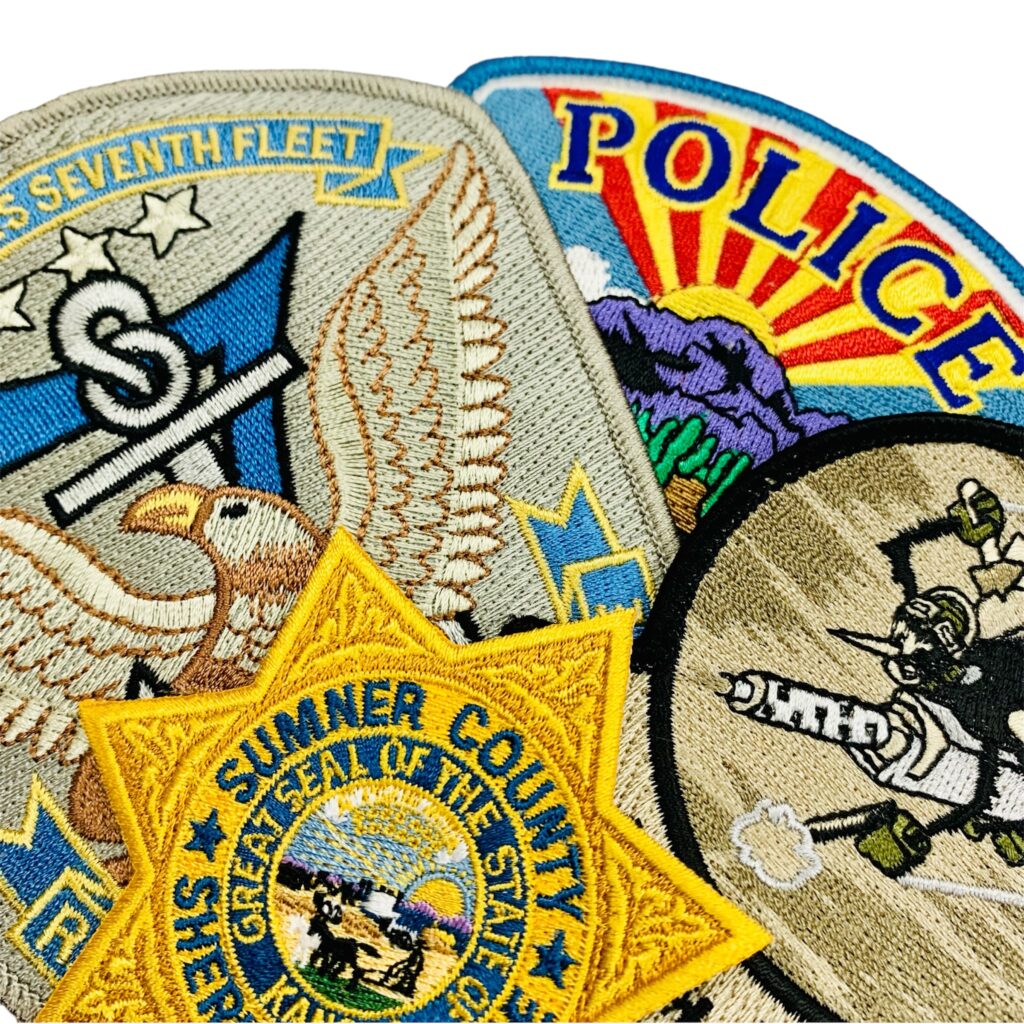
Embroidered badges are created by stitching colored threads directly onto a fabric base using computerized embroidery machines. The design is translated into stitch data, which determines stitch direction, density, and layering. This process gives embroidered badges their distinctive textured and dimensional appearance, making them a popular choice for uniforms, organizations, and heritage-focused brands.
One of the defining characteristics of embroidered badges is their tactile quality. Raised threads add depth and visual weight, which often conveys durability, authority, and craftsmanship. However, because the design is formed by stitches, embroidered badges have natural limitations when it comes to extremely fine details, small text, or complex color gradients. Designs with bold shapes, solid colors, and clear outlines typically perform best in embroidery.
From a production standpoint, embroidered badges are valued for their longevity. The stitched structure holds up well against friction, repeated washing, and daily wear, especially when paired with appropriate backing options. As a result, embroidered badges are commonly used for military units, corporate uniforms, scout organizations, and long-term brand identification.
What Are Printed Badges?
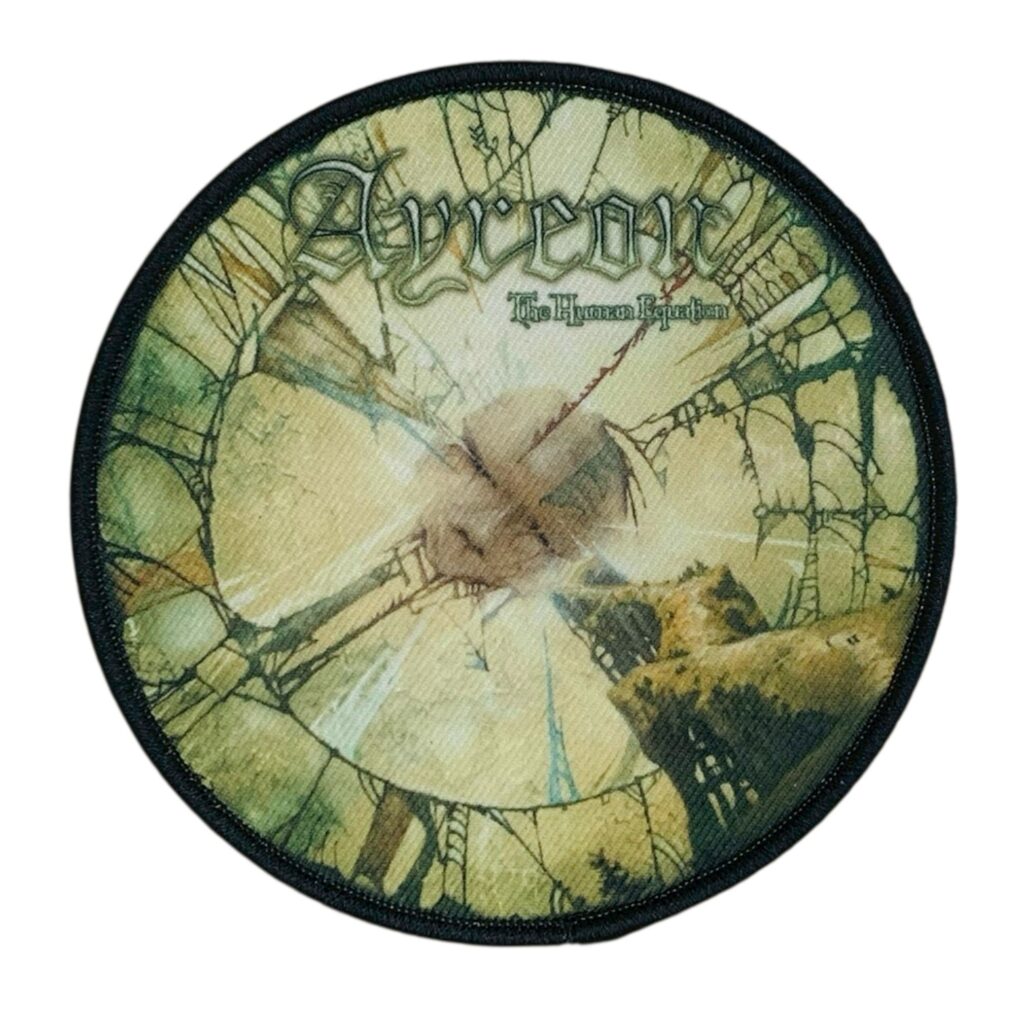
Printed badges use printing techniques—such as heat transfer, dye sublimation, or screen printing—to apply the design directly onto a fabric or synthetic base. Instead of stitches forming the image, ink or dye creates the visual elements, allowing for precise detail and full-color reproduction.
A key advantage of printed badges is design freedom. Complex artwork, photographic elements, gradients, and small typography can be reproduced accurately, making printed badges ideal for promotional campaigns, event merchandise, and creative branding applications. For beginners who already have a detailed digital design, printed badges often require fewer adjustments than embroidered ones.
In terms of production, printed badges generally have shorter setup times and may be more cost-efficient for small batches or designs with many colors. However, durability depends heavily on printing method and coating. While modern printed badges can be quite resilient, they typically do not match the long-term wear resistance of embroidered badges in demanding environments.
Key Production Differences Between Embroidered Badges and Printed Badges
The core difference between embroidered badges and printed badges lies in how the design is constructed. Embroidery builds the image through physical stitches, while printing applies visual elements onto the surface. This distinction affects everything from texture and thickness to durability and application suitability.
Embroidered badges emphasize structure and craftsmanship, whereas printed badges prioritize visual precision and flexibility. Understanding these production differences helps beginners evaluate which option aligns best with their intended use, design complexity, and expected lifespan—topics that will be explored in greater detail in the following sections.
📊 Table: Basic Production Comparison: Embroidered Badges vs Printed Badges
| Comparison Item | Embroidered Badges | Printed Badges |
|---|---|---|
| Production Method | Thread stitched onto fabric | Ink or dye printed on surface |
| Texture | Raised, dimensional | Flat or lightly textured |
| Design Detail | Best for bold, simple designs | Excellent for fine details & gradients |
| Color Flexibility | Limited by thread colors | Full-color, high flexibility |
| Typical Use | Uniforms, organizations, long-term use | Events, promotions, creative branding |
🔗 Extended Reading
- How to Design Artwork for Embroidery
- Complete Guide to Embroidered Patches
- Embroidered Patches for Marketing Campaigns
Design Differences Between Embroidered Badges and Printed Badges
When evaluating embroidered badges vs printed badges, design compatibility is often the most decisive factor. Many beginners start with a finished artwork and only later discover that certain visual elements do not translate well into their chosen production method. Understanding how embroidery and printing handle shapes, colors, and details helps prevent costly revisions and ensures the final badge matches the original design intent. This section focuses on how design characteristics influence the outcome of embroidered badges and printed badges.
Visual Depth and Texture in Embroidered Badge Design
Embroidered badges are inherently three-dimensional because the design is built using layered stitches. This stitched construction creates natural depth, shadow, and texture, giving embroidered badges a premium and traditional appearance. Bold shapes, thick outlines, and clearly separated color areas tend to perform exceptionally well in embroidery, as they allow stitches to maintain clarity and structure.
However, embroidery also introduces design constraints. Extremely thin lines, very small text, and intricate micro-details may become distorted or unreadable once translated into stitches. Designers often need to simplify artwork by reducing fine details, enlarging text, or merging similar colors. For beginners, this means embroidered badge design is less about visual complexity and more about visual strength and legibility from a distance.
Color Accuracy and Detail Reproduction in Printed Badge Design
Printed badges excel in reproducing detailed artwork with high color accuracy. Because designs are printed rather than stitched, printed badges can easily handle gradients, shading, photographic elements, and small typography. This makes them ideal for modern branding, event merchandise, and creative campaigns that rely heavily on visual storytelling.
Another advantage of printed badges is design fidelity. What you see on a digital screen is often very close to what appears on the final product, with minimal need for simplification. For beginners who already have a detailed logo or illustration, printed badges usually require fewer adjustments compared to embroidery.
That said, printed badges typically lack the tactile depth of embroidered badges. While surface coatings can add durability and slight texture, the overall look remains flatter. Designers must therefore consider whether visual precision or physical presence is more important for their application.
Choosing the Right Badge Type Based on Design Complexity
The key to choosing between embroidered badges and printed badges lies in matching design complexity to production capability. Designs with strong visual identity, limited colors, and a need for long-term durability are often better suited to embroidery. In contrast, designs that rely on fine detail, gradients, or artistic freedom are usually better served by printing.
For beginners, evaluating design suitability early in the planning stage helps avoid unnecessary compromises. By aligning artwork characteristics with the strengths of each badge type, brands can ensure that both embroidered badges and printed badges deliver their intended visual impact.
📊 Table: Design Comparison: Embroidered Badges vs Printed Badges
| Design Aspect | Embroidered Badges | Printed Badges |
|---|---|---|
| Visual Style | Textured, dimensional | Flat, detailed |
| Fine Details | Limited | Excellent |
| Color Gradients | Not recommended | Fully supported |
| Small Text | Needs simplification | Clearly readable |
| Overall Impression | Traditional, premium | Modern, flexible |
🔗 Extended Reading
- How to Design Artwork for Embroidery
- High-Density Embroidery Stitch Count Explained
- Streetwear Brand Embroidered Patches Design Guide
Material Choices and Durability: Embroidered Badges vs Printed Badges
Beyond visual design, material composition and durability play a critical role when comparing embroidered badges vs printed badges. Beginners often underestimate how usage environment, washing frequency, and physical stress affect badge lifespan. A badge that looks appealing at first may deteriorate quickly if its materials are not suited to the intended application. This section explains how material selection and construction methods influence durability, helping readers make practical, long-term decisions.
Materials Used in Embroidered Badges and Their Durability
Embroidered badges are typically constructed using a fabric base—commonly polyester twill—combined with high-strength embroidery threads. These threads are designed to resist fraying, fading, and breakage, even under repeated friction or washing. Because the design is formed through stitching rather than surface application, the visual elements are physically integrated into the badge structure.
This construction gives embroidered badges a strong advantage in durability. They maintain their shape and appearance well over time, making them suitable for uniforms, workwear, and outdoor use. Even in demanding conditions, such as frequent laundering or exposure to sunlight, embroidered badges tend to age gracefully, developing minimal visual degradation compared to printed alternatives.
Materials Used in Printed Badges and Wear Resistance
Printed badges rely on surface-based techniques, applying ink or dye onto a fabric or synthetic base. Common materials include polyester fabrics, non-woven textiles, or special-coated surfaces designed to improve ink adhesion. While modern printing technologies have significantly improved durability, printed badges remain more sensitive to abrasion and repeated washing than embroidered badges.
Protective coatings can enhance wear resistance, but they also add cost and may slightly alter surface texture. Printed badges are best suited for applications where visual detail is prioritized over long-term exposure to harsh conditions. For events, promotions, or short-term campaigns, printed badges offer sufficient durability while maintaining excellent design clarity.
Durability Considerations Based on Usage Environment
When deciding between embroidered badges and printed badges, intended usage should guide material selection. Embroidered badges are ideal for garments that undergo frequent washing, physical movement, or long-term wear. Printed badges, while visually flexible, perform best in controlled environments or limited-use scenarios.
For beginners, understanding these durability differences helps prevent premature wear and replacement costs. Matching badge material and construction to real-world conditions ensures both functional reliability and consistent brand presentation over time.
📊 Table: Material & Durability Comparison: Embroidered Badges vs Printed Badges
| Aspect | Embroidered Badges | Printed Badges |
|---|---|---|
| Base Material | Fabric (commonly polyester twill) | Fabric or coated synthetic |
| Design Integration | Stitched into structure | Applied to surface |
| Resistance to Washing | High | Moderate |
| Abrasion Resistance | Excellent | Moderate to low |
| Long-Term Appearance | Maintains texture & color | May fade or wear over time |
🔗 Extended Reading
- Embroidered Patch Backing Comparison Guide
- High-Density Embroidery Stitch Count Explained
- Sustainable Embroidered Patches
Application Scenarios: When to Choose Embroidered Badges vs Printed Badges
After understanding design and durability differences, the next critical step in an embroidered badges vs printed badges comparison is evaluating real-world application scenarios. Many beginners focus on how a badge looks in isolation, but the true value of a badge is determined by where and how it will be used. Different environments, usage frequencies, and branding goals strongly influence whether embroidered badges or printed badges are the better choice. This section explores common application scenarios to help beginners align badge type with practical needs.
Uniforms, Organizations, and Long-Term Identification
Embroidered badges are widely used in uniforms for corporations, schools, military units, scouts, and service organizations. The textured appearance and strong physical structure of embroidery communicate authority, reliability, and professionalism. Because embroidered badges withstand frequent washing and daily wear, they are ideal for long-term identification purposes.
In these scenarios, visual simplicity and durability are more important than intricate detail. Logos, emblems, and text that need to remain recognizable over years of use benefit from the strength of embroidery. For organizations that prioritize consistency and longevity, embroidered badges remain the preferred solution.
Events, Promotions, and Short-Term Campaigns
Printed badges are particularly effective for events, marketing campaigns, exhibitions, and seasonal promotions. These applications often require fast production, high visual impact, and design flexibility. Printed badges allow for complex artwork, full-color gradients, and campaign-specific graphics that may only be used for a short period.
Because printed badges generally have lower setup requirements and greater design freedom, they are well-suited for limited-time use where durability beyond the event lifecycle is not a primary concern. For beginners managing tight timelines or frequently changing designs, printed badges offer a practical and cost-effective option.
Branding, Collectibles, and Creative Merchandise
When badges are used as brand merchandise or collectibles, the choice between embroidered badges and printed badges depends on the desired emotional response. Embroidered badges often feel premium and timeless, making them suitable for heritage brands or products meant to convey craftsmanship. Printed badges, on the other hand, allow for artistic expression and storytelling, appealing to creative brands and trend-driven audiences.
By considering how the badge will be perceived and used, beginners can better determine which badge type supports their branding objectives.
📊 Table: Application Comparison: Embroidered Badges vs Printed Badges
| Application Scenario | Embroidered Badges | Printed Badges |
|---|---|---|
| Uniforms & Workwear | Highly suitable | Not recommended |
| Long-Term Identification | Excellent | Moderate |
| Events & Promotions | Limited | Excellent |
| Creative Branding | Moderate | Excellent |
| Collectible Merchandise | Premium feel | High design flexibility |
🔗 Extended Reading
- Embroidered Badges for Marketing Campaigns
- Military, Police, and Firefighter Embroidered Patches Guide
- Collectible Embroidered Patches
Cost and Production Considerations: Embroidered Badges vs Printed Badges
Cost and production efficiency are often decisive factors for beginners comparing embroidered badges vs printed badges. While visual appeal and durability are important, budget constraints, order quantity, and delivery timelines frequently determine the final choice. Understanding how production methods influence pricing and workflow helps buyers avoid unrealistic expectations and align their decisions with practical limitations. This section breaks down the key cost and production considerations associated with embroidered and printed badges.
Setup Costs, Digitizing, and Minimum Order Quantities
Embroidered badges typically require a digitizing process, where artwork is converted into stitch data for embroidery machines. This setup step involves time and expertise, which may result in an initial digitizing fee. However, once digitized, the design can be reused for future orders, making embroidery more cost-efficient over time for repeat production.
Printed badges generally have lower setup requirements, especially for designs already in digital format. This makes printed badges more accessible for small orders or one-time projects. Minimum order quantities (MOQs) for printed badges are often more flexible, appealing to beginners testing new designs or campaigns.
Unit Cost Structure and Scalability
As order quantities increase, embroidered badges tend to benefit from economies of scale. Although the per-unit cost may be higher at low volumes, large production runs often narrow the cost gap between embroidery and printing. Printed badges may remain cost-effective for small batches but can become less competitive at higher volumes, depending on printing method and material selection.
Understanding how unit costs scale with quantity allows beginners to plan production more strategically, especially when future reorders are likely.
Lead Time, Production Speed, and Flexibility
Printed badges usually offer faster production times due to simpler setup and streamlined processes. This makes them suitable for urgent projects or tight deadlines. Embroidered badges, while slightly slower to produce, offer greater consistency and long-term value once setup is complete.
Balancing speed, budget, and quality expectations is essential when choosing between embroidered badges and printed badges.
📊 Table: Cost & Production Comparison: Embroidered Badges vs Printed Badges
| Factor | Embroidered Badges | Printed Badges |
|---|---|---|
| Initial Setup | Digitizing required | Minimal setup |
| Small Batch Cost | Higher | Lower |
| Large Batch Efficiency | High | Moderate |
| Lead Time | Moderate | Fast |
| Reorder Advantage | Strong | Limited |
🔗 Extended Reading
- OEM Embroidery Manufacturer Overview
- How to Order Custom Embroidered Patches
- Global Market Trends in Embroidered Patches
Common Beginner Mistakes When Choosing Between Embroidered Badges and Printed Badges
Even after reviewing design, durability, application, and cost differences, many beginners still make avoidable mistakes when deciding between embroidered badges and printed badges. These mistakes usually stem from focusing on a single factor—such as price or visual preference—without considering how all variables interact in real-world use. Understanding these common pitfalls can save time, reduce revision costs, and ensure that the final badges meet both functional and branding expectations.
Choosing Embroidered Badges for Overly Complex Designs
One of the most frequent beginner mistakes is selecting embroidered badges for designs that contain excessive detail. Fine lines, small text, color gradients, and photographic elements often do not translate well into embroidery. While embroidery offers texture and durability, it requires design simplification to maintain clarity. When beginners insist on preserving every detail, the final embroidered badge may appear crowded or unclear.
This issue can usually be avoided by evaluating the artwork early and consulting with a manufacturer about stitch limitations. In many cases, simplifying the design or switching to printed badges results in a more accurate and visually pleasing outcome.
Selecting Printed Badges for High – Wear Environments
Another common mistake is choosing printed badges for garments or environments that demand long-term durability. Printed badges may look excellent initially, but frequent washing, abrasion, or outdoor exposure can lead to fading or surface wear over time. Beginners often underestimate how quickly these conditions can affect printed designs.
For uniforms, workwear, or applications requiring repeated use, embroidered badges are usually the more reliable choice. Matching badge type to usage conditions is essential to maintaining consistent appearance and brand credibility.
Ignoring Usage Goals and Brand Positioning
Some beginners make decisions based solely on cost or speed, without considering brand identity or user perception. Embroidered badges often convey tradition, authority, and craftsmanship, while printed badges suggest creativity, flexibility, and modern design. Choosing a badge type that conflicts with brand positioning can weaken the intended message.
Taking time to define usage goals—whether functional identification, promotion, or merchandise—helps ensure the badge supports overall branding objectives rather than undermining them.
📊 Table: Common Mistakes and Better Alternatives
| Beginner Mistake | Resulting Issue | Better Approach |
|---|---|---|
| Complex artwork chosen for embroidery | Loss of detail | Simplify design or use printing |
| Printed badges used on uniforms | Premature wear | Choose embroidered badges |
| Decision based on price only | Brand mismatch | Consider usage and perception |
| No consultation with manufacturer | Revisions and delays | Review artwork early |
🔗 Extended Reading
- How to Design Artwork for Embroidery
- Embroidered Patch Backing Comparison Guide
- Why Choose Tajima Embroidery Machines
- Tajima Group – Industrial Embroidery Technology
FAQ: Embroidered Badges vs Printed Badges – Common Questions Answered
This FAQ section addresses the most common questions beginners ask when comparing embroidered badges vs printed badges. These questions are based on real-world production concerns, design limitations, durability expectations, and decision-making scenarios. If you are new to badge manufacturing, this section will help clarify uncertainties before moving forward with production.
Q1: What is the main difference between embroidered badges and printed badges?
The primary difference lies in how the design is created. Embroidered badges are made by stitching threads into fabric, creating texture and depth, while printed badges apply ink or dye onto the surface, allowing for finer details and full-color designs.
Q2: Which option is more durable, embroidered badges or printed badges?
Embroidered badges are generally more durable, especially for uniforms or garments that require frequent washing or long-term use. Printed badges are better suited for short-term or controlled-use environments.
Q3: Are embroidered badges more expensive than printed badges?
Not always. Embroidered badges may have higher setup costs due to digitizing, but they become cost-effective for larger quantities or repeat orders. Printed badges are often cheaper for small batches or one-time projects.
Q4: Can printed badges handle complex designs better than embroidered badges?
Yes. Printed badges excel at reproducing gradients, small text, and intricate artwork. Embroidered badges perform best with bold shapes and simplified designs.
Q5: Which badge type is better for uniforms?
Embroidered badges are usually the preferred choice for uniforms because of their durability, professional appearance, and resistance to wear and washing.
Q6: Do printed badges fade over time?
Printed badges can fade depending on the printing method, coating, and exposure to washing or sunlight. High-quality printing improves longevity, but embroidery remains more resilient overall.
Q7: Are embroidered badges suitable for small-sized designs?
Small embroidered badges are possible, but very fine details or text may need to be enlarged or simplified to maintain clarity.
Q8: Can I mix embroidered badges and printed badges in one project?
Yes. Some brands use embroidered badges for core identity items and printed badges for promotional or seasonal designs, depending on usage goals.
Q9: Which option is better for beginners?
Printed badges are often easier for beginners with complex artwork, while embroidered badges are ideal when durability and long-term use are priorities. Consulting with a manufacturer is recommended.
Q10: How do I decide which badge type suits my project best?
Consider design complexity, usage environment, expected lifespan, quantity, and brand positioning. Aligning these factors will guide the correct choice between embroidered badges and printed badges.
CTA: Your Trusted Partner for Embroidered Badges and Printed Badges Manufacturing
Choosing between embroidered badges and printed badges is not just a design decision—it is a strategic choice that affects brand image, durability, cost efficiency, and long-term usability. For beginners especially, having a knowledgeable manufacturing partner can make the difference between a successful project and one filled with revisions, delays, or compromised quality. This is where professional guidance becomes essential.
At Artist Embroidery, we specialize in both embroidered badges and printed badges, offering end-to-end support from design consultation to final production. Rather than pushing a single solution, our approach is based on understanding your actual needs—design complexity, application scenario, budget range, and expected lifespan. Whether your project requires the durability and premium texture of embroidered badges or the visual flexibility and speed of printed badges, our team provides clear recommendations backed by manufacturing expertise.
With in-house production capabilities and experienced technicians, we help beginners translate ideas into production-ready designs. We review artwork for embroidery or printing suitability, advise on material and backing options, and ensure that the final badges align with real-world usage conditions. This reduces trial-and-error costs and helps first-time buyers move forward with confidence.
Our manufacturing process emphasizes quality control, consistency, and communication. From small trial orders to large-scale production, we maintain stable output standards and transparent timelines. For clients planning long-term use—such as uniforms, organizational identification, or brand merchandise—we provide scalable solutions that support future reorders without quality loss.
If you are unsure whether embroidered badges or printed badges are right for your project, we invite you to consult with our team. A brief discussion can clarify options, prevent common beginner mistakes, and ensure your badges deliver the visual impact and durability you expect.
Contact Us for Professional Badge Consultation
Artist Embroidery Corporation
📞 Phone: +886-2-8245-8989
📧 Email: service@artistembroidery.com
🏢 Office Address: 7 F., No. 21, Qiao’an St., Zhonghe Dist., New Taipei City 235026, Taiwan
🏭 Factory Address: No. 12, Zhiwa 2nd Rd., Shetou Township, Changhua County 511006, Taiwan
Whether you are producing your first custom badge or refining an existing design, our team is ready to support your project with reliable manufacturing expertise in embroidered badges and printed badges. Reach out today to start your consultation.
 English
  Japanese
  Chinese
  Korean
  Spanish
  French
  Russian
  Portuguese
  German