
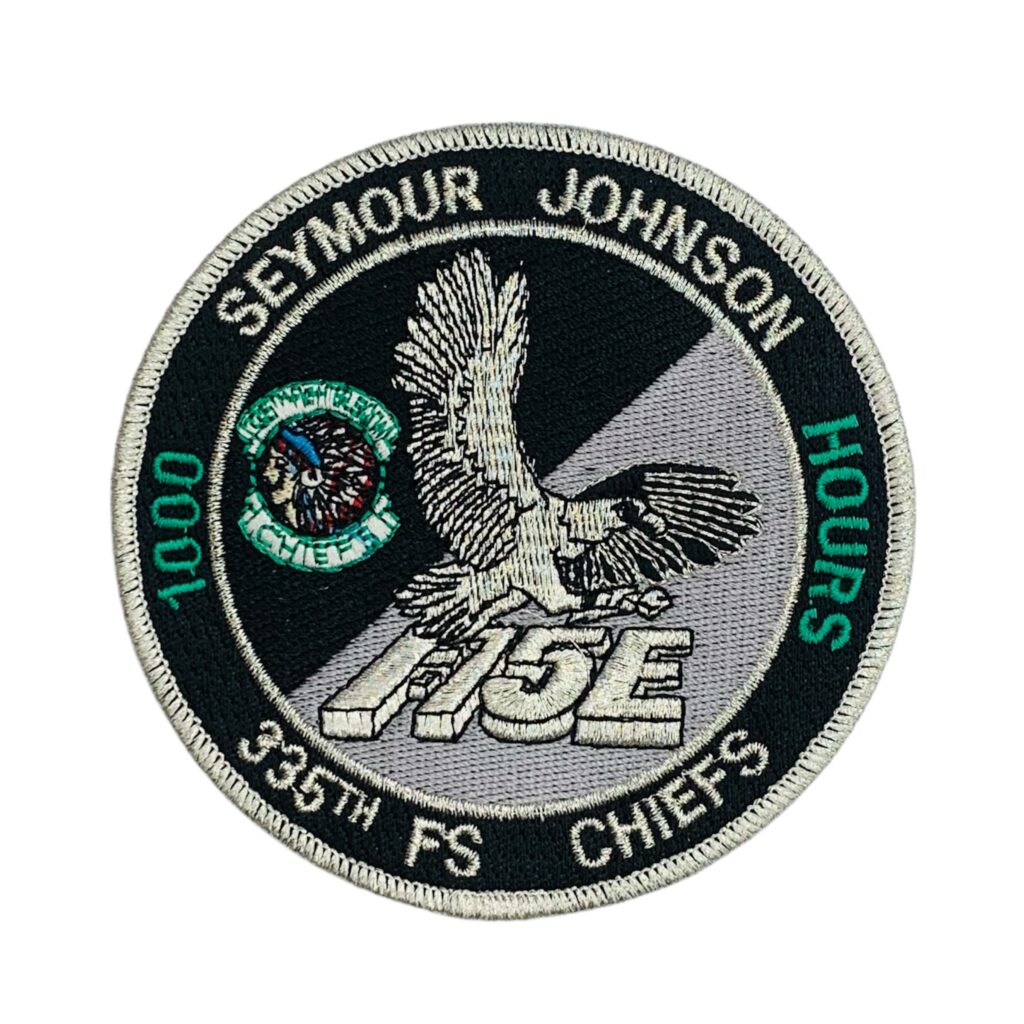
Introduction: Air Force Flight Hours Embroidered Patch
Сайт Air Force flight hours embroidered patch is more than just a decorative insignia—it represents a pilot’s dedication, operational experience, and professional achievement within aviation units. For those unfamiliar with military or aviation traditions, these patches may appear similar to standard embroidered badges. However, each element embedded in the design carries a deeper meaning tied to flight hours, mission readiness, and personal milestones.
In modern military and aviation culture, flight hours patches are widely used as a visual system to communicate a pilot’s accumulated flying experience. These patches are commonly worn on flight suits, uniforms, or gear, allowing quick identification of expertise and status. Compared to other types of military embroidered patches, flight hours patches are uniquely data-driven, often incorporating numerical indicators, symbolic wings, stars, or bars that correspond to specific flight time achievements.
From a manufacturing perspective, вышитые нашивки are the preferred format due to their durability, flexibility, and professional appearance. Unlike metal badges, embroidered patches can withstand repeated washing, environmental exposure, and daily operational wear. This makes them especially suitable for active-duty pilots and training units. Additionally, embroidery allows for detailed customization, enabling different air forces or aviation organizations to adapt designs based on their internal ranking systems.
For collectors and organizations outside the military—such as aviation clubs, flight schools, and commemorative groups—the custom Air Force flight hours embroidered patch also serves as a symbolic product representing milestones and identity. This growing demand has expanded the application beyond traditional military use into broader B2B customization markets.
In this guide, we will explore everything you need to know about Air Force flight hours embroidered patches, including their meaning, classification systems, design elements, and manufacturing processes—helping you fully understand both their functional and symbolic value.
What Is an Air Force Flight Hours Embroidered Patch?
Сайт Air Force flight hours embroidered patch is a specialized type of military embroidered badge designed to visually represent a pilot’s accumulated flight experience. Unlike standard insignia that indicate rank or unit affiliation, this patch focuses specifically on quantifying operational exposure—typically measured in total flight hours. These patches are widely used across air forces, aviation training institutions, and even civilian flight organizations as a standardized way to communicate expertise at a glance.
At its core, a flight hours embroidered patch combines symbolic aviation elements—such as wings, stars, propellers, or aircraft silhouettes—with numeric indicators that denote milestones (for example, 100, 500, 1,000, or more flight hours). This structured visual system allows pilots, crew members, and commanding officers to quickly assess experience levels without relying on written records. In high-performance environments like military aviation, this form of visual communication plays a crucial role in reinforcing hierarchy, trust, and operational readiness.
One of the defining characteristics of the Air Force flight hours embroidered patch is its use of embroidery as the primary manufacturing method. Compared to printed or metal alternatives, embroidered patches offer superior durability, flexibility, and texture. They can withstand repeated use in harsh conditions, including exposure to sunlight, moisture, and frequent washing. This makes them ideal for integration into flight suits, jackets, and tactical gear.
Additionally, embroidery enables high levels of customization. Different air forces or organizations may adopt unique design standards, including variations in color schemes, border styles, and backing types (such as Velcro, iron-on, or sew-on). This adaptability makes custom flight hours patches a popular choice not only for official military use but also for aviation clubs, commemorative events, and training programs.
📊 Table: Comparison of Patch Types for Flight Hours Identification
| Характеристика | Вышитая нашивка | Metal Badge | Printed Patch |
|---|---|---|---|
| Долговечность | Высокий | Средний | Низкий |
| Гибкость | Превосходно | Rigid | Умеренный |
| Detail Texture | Premium (3D stitching) | Ограниченный | Flat |
| Вес | Легкий | Heavy | Легкий |
| Настройка | Высокая настраиваемость | Ограниченный | Высокий |
| Suitability for Flight Gear | Превосходно | Less suitable | Умеренный |
🔗 Расширенное чтение
Applications and Symbolism of Air Force Flight Hours Embroidered Patch
Сайт Air Force flight hours embroidered patch serves multiple roles beyond simple identification—it is a powerful symbol of achievement, discipline, and professional recognition within aviation environments. While at first glance it may appear as just another military embroidered patch, its real value lies in how it communicates experience, trust, and honor across both military and civilian aviation communities.
Flight Record and Achievement Recognition
One of the primary applications of the flight hours embroidered patch is to document and display a pilot’s accumulated flight experience. Each milestone—whether 100, 500, or 1,000 flight hours—represents a significant level of training, mission exposure, and operational capability. These patches act as a visual logbook, allowing others to immediately understand a pilot’s level of expertise without reviewing formal records.
In high-risk environments such as military aviation, this quick recognition is essential. A pilot with higher flight hours is generally associated with better situational awareness, stronger decision-making ability, and greater reliability. As a result, the Air Force flight hours embroidered patch becomes a badge of credibility, reinforcing trust among team members and commanding officers.
Identity, Rank, and Unit Recognition
Beyond individual achievement, the Air Force flight hours embroidered patch also contributes to identity within a structured organization. While it does not replace rank insignia, it complements existing identifiers by adding another layer of information—experience level. In many cases, these patches are worn alongside unit patches, national insignia, or role-specific badges, creating a complete visual profile of the wearer.
For aviation units, this layered identification system improves internal communication and coordination. For example, during joint operations or training exercises, personnel can quickly identify experienced pilots based on their flight hours patches, enabling more efficient task allocation and teamwork.
Military Culture and Team Cohesion
The symbolic value of the Air Force flight hours embroidered patch extends deeply into military culture. These patches are not just functional—they represent milestones earned through dedication, discipline, and often years of service. Receiving a new patch marking a higher flight hour level is often seen as a rite of passage, reinforcing a sense of pride and belonging.
This cultural significance also strengthens team cohesion. Pilots who share similar milestones often develop a sense of camaraderie, while those aspiring to reach higher levels are motivated by visible benchmarks. In this way, the flight hours embroidered patch acts as both a recognition tool and a motivational driver.
Moreover, outside of active-duty environments, these patches are widely used in aviation clubs, veteran organizations, and commemorative events. They serve as collectible items and storytelling symbols, preserving personal and institutional history.
🔗 Расширенное чтение
- Руководство по вышитым нашивкам для военных, полицейских и пожарных
- Company Embroidered Logo & Brand Impact
How Are Air Force Flight Hours Embroidered Patch Levels Defined?
Сайт Air Force flight hours embroidered patch is not only a symbolic identifier but also a structured system used to classify a pilot’s experience level. These patches are typically designed around specific flight hour milestones, allowing for a clear and standardized representation of progression. Understanding how these levels are defined is essential for anyone involved in aviation, military gear production, or custom embroidered patch manufacturing.
Common Flight Hour Milestone Levels
Understanding flight hours embroidered patch levels is essential, as these classifications visually represent a pilot’s progression and experience. Most flight hours embroidered patches are categorized based on accumulated flight time. While exact standards may vary between countries or organizations, there are commonly recognized milestone tiers that serve as benchmarks of experience. These tiers are often used in both military and civilian aviation training systems.
Typical flight hour levels include:
- Entry Level: 50–100 hours (basic training completion)
- Intermediate Level: 200–500 hours (operational readiness)
- Advanced Level: 1,000+ hours (high experience and leadership roles)
- Elite Level: 2,000+ hours (senior or instructor pilots)
Each milestone is usually represented visually through numbers, additional symbols, or enhanced design elements within the Air Force flight hours embroidered patch. This allows for immediate recognition without the need for detailed documentation.
Variations Across Countries and Organizations
Although the concept of flight hours patches is widely adopted, the specific classification systems can differ depending on the air force or aviation organization. Some countries emphasize numerical clarity (e.g., prominently displaying hours), while others rely more on symbolic progression—such as adding stars, wings, or bars to indicate advancement.
For example, certain military units may use:
- Stars to represent hundreds or thousands of hours
- Additional wings or laurels for elite pilots
- Color variations to distinguish roles (combat, transport, training)
These differences highlight the importance of customization when producing Air Force flight hours embroidered patches, especially for OEM manufacturers serving international clients.
Visual Design Indicators of Flight Experience
Design plays a critical role in communicating flight hours effectively. A well-designed flight hours embroidered patch ensures that experience levels are instantly recognizable. Common visual indicators include:
- Numeric embroidery (e.g., “500 HRS”, “1000+”)
- Layered wing structures (single vs double wings)
- Star or badge enhancements
- Border variations (color or thickness changes)
From a production standpoint, these elements require precision embroidery techniques to maintain clarity and durability. High-density stitching is often used to ensure that fine details remain sharp even after long-term use.
📊 Table: Flight Hours Levels vs Patch Design Elements
| Flight Hours Level | Experience Tier | Common Design Elements | Visual Complexity |
|---|---|---|---|
| 50–100 hrs | Entry | Simple number, basic wings | Низкий |
| 200–500 hrs | Intermediate | Larger numbers, added stars | Средний |
| 1,000+ hrs | Advanced | Double wings, bold numbers | Высокий |
| 2,000+ hrs | Elite | Laurels, multiple symbols | Очень высокий |
🔗 Расширенное чтение
Key Design Elements of Air Force Flight Hours Embroidered Patch
Сайт design of Air Force flight hours embroidered patch plays a critical role in communicating flight experience, identity, and professionalism. Design is one of the most critical aspects of an Air Force flight hours embroidered patch, as it directly determines how effectively the patch communicates flight experience, identity, and professionalism. Unlike generic military embroidered patches, flight hours patches must balance symbolic meaning, readability, and durability. A well-executed design not only enhances visual impact but also ensures that the patch remains functional in real-world aviation environments.
Core Visual Elements: Wings, Numbers, and Symbols
At the heart of every flight hours embroidered patch are a set of standardized visual components that convey meaning instantly. The most recognizable element is the wing motif, which represents aviation authority and pilot status. Wings may vary in style—from simple linear forms to highly detailed, multi-layered embroidery—depending on the level of prestige associated with the patch.
Numbers are equally important, as they directly indicate flight hours. These can be presented in bold formats such as “500 HRS” or “1000+,” often positioned centrally to ensure visibility. Additional symbols like stars, bars, or laurels are frequently used to denote higher levels of achievement. These elements work together to create a hierarchy of recognition within the Air Force flight hours embroidered patch system.
Color Schemes and Embroidery Thread Selection
Color selection plays a vital role in both aesthetics and functionality. In military applications, color schemes are often dictated by uniform standards—such as subdued tones for combat environments or high-contrast colors for training and ceremonial use. For example, olive green, black, and tan are commonly used in tactical settings, while gold or silver threads may be used to emphasize rank or achievement.
From a manufacturing perspective, thread quality is crucial. High-grade embroidery threads ensure colorfastness, resistance to fading, and long-term durability. For custom Air Force flight hours embroidered patches, selecting the right thread type can significantly impact the final product’s performance, especially when exposed to sunlight, moisture, and repeated washing.
Size, Shape, and Placement Considerations
The size and shape of a flight hours embroidered patch are determined by both functional and aesthetic factors. Common shapes include circular, shield, and winged formats, each offering different visual advantages. Circular patches are often used for simplicity and balance, while shield shapes provide a more formal, military appearance.
Placement is another key consideration. These patches are typically worn on flight suits, jackets, or chest areas, where visibility is essential. Therefore, the design must remain legible at a distance. This requires careful planning of element spacing, font size, and stitch density.
For OEM manufacturers, understanding these constraints is critical when developing custom embroidered flight hours patches. The goal is to create a design that not only looks professional but also performs reliably in real-world conditions.
📊 Table: Design Elements vs Functional Purpose
| Элемент дизайна | Функция | Визуальное воздействие | Importance Level |
|---|---|---|---|
| Wings | Represent aviation authority | Высокий | Essential |
| Numbers (Flight Hours) | Indicate experience level | Очень высокий | Essential |
| Stars / Symbols | Show rank or milestones | Средний и высокий | Высокий |
| Color Scheme | Match environment & identity | Средний | Высокий |
| Patch Shape | Enhance recognition | Средний | Средний |
🔗 Расширенное чтение
Embroidery Techniques and Materials for Air Force Flight Hours Embroidered Patch
Выбор правильного embroidery techniques for flight hours embroidered patch production is essential to achieve durability, precision, and long-term performance. The quality of an Air Force flight hours embroidered patch is heavily influenced by the embroidery techniques and materials used during production. Unlike standard decorative patches, these patches must meet higher expectations in terms of durability, precision, and long-term performance. For military and aviation applications, the patch must withstand harsh environments while maintaining its visual clarity and structural integrity. This is why understanding the technical side of embroidered patch manufacturing is essential for both buyers and OEM suppliers.
Embroidery Techniques: Standard vs High-Density Stitching
One of the key factors in producing a high-quality flight hours embroidered patch is the choice of embroidery technique. Standard embroidery is suitable for simple designs with larger elements, but when it comes to detailed symbols such as wings, numbers, and fine text, high-density embroidery stitching is often required.
High-density stitching increases the number of stitches per area, resulting in sharper details, richer textures, and a more premium appearance. This is particularly important for Air Force flight hours embroidered patches, where readability and precision are critical. However, higher stitch density also increases production time and cost, making it important to balance quality and budget during the design phase.
Edge Finishing Methods: Merrow Border vs Laser Cut
Edge finishing plays a crucial role in both the durability and appearance of a patch. Two of the most common methods used in вышитые на заказ нашивки are merrow borders and laser-cut edges.
- Граница Мерроу: A thick, stitched edge that provides excellent durability and a classic look. It is ideal for traditional military-style patches but is limited to simpler shapes (usually circular or oval).
- Laser Cut Edge: A clean, precise edge created using laser technology. This method allows for complex shapes and modern designs, making it highly suitable for customized flight hours patches with unique outlines.
Choosing the right edge finishing method depends on design complexity, intended use, and branding requirements.
Backing Options: Sew-On, Iron-On, and Velcro
The backing type determines how the Air Force flight hours embroidered patch is attached to garments or gear. Each option offers different advantages depending on the application.
- Пришитая основа: Provides the most secure and permanent attachment, commonly used in military uniforms.
- Железная основа: Offers convenience and quick application, suitable for non-critical uses.
- Подложка на липучке: Allows patches to be easily removed or replaced, making it ideal for tactical gear and modular uniforms.
For aviation environments, Velcro-backed embroidered patches are increasingly popular due to their flexibility and ease of use.
📊 Table: Embroidery Techniques and Material Comparison
| Category | Вариант | Преимущества | Limitations | Лучший пример использования |
|---|---|---|---|---|
| Сшивание | Standard Embroidery | Cost-effective | Less detail | Simple designs |
| Сшивание | Вышивка высокой плотности | High detail, premium look | Более высокая стоимость | Complex flight patches |
| Edge | Граница Мерроу | Durable, classic | Ограниченные формы | Traditional military patches |
| Edge | Лазерная резка | Flexible shapes | Slightly less thick edge | Custom designs |
| Обратная связь | Пришить | Strong, permanent | Not removable | Official uniforms |
| Обратная связь | Липучка | Removable, flexible | Slightly higher cost | Tactical gear |
| Обратная связь | Iron-On | Простое применение | Less durable | Casual use |
🔗 Расширенное чтение
- Сравнение основы для вышитых нашивок
- Нитки FuFu's Thread - профессиональные вышивальные нитки для прочных и стойких к окрашиванию значков
- Tajima Group - технология промышленной вышивки
Custom Air Force Flight Hours Embroidered Patch Manufacturing Process
The production of a custom Air Force flight hours embroidered patch involves a structured and highly controlled process that ensures accuracy, durability, and consistency. For military and aviation applications, even small design errors or material inconsistencies can impact usability and professionalism. Therefore, a well-defined manufacturing workflow is essential, especially when working with an experienced OEM вышитые патч производитель.
Design Confirmation and Technical Specification
The first step in producing a flight hours embroidered patch is design confirmation. At this stage, clients provide artwork or concept references, including key elements such as flight hour numbers, wing structures, symbols, and color schemes. For military-style patches, precision is critical—dimensions, font clarity, and spacing must all be optimized for readability and uniform standards.
Professional manufacturers will convert the design into a digitized embroidery file, defining stitch paths, density, and thread transitions. This process ensures that the final Air Force flight hours embroidered patch accurately reflects the intended design while maintaining production efficiency.
Sampling and Production Approval
Once the digital file is finalized, a physical sample (prototype) is created. This sample allows clients to evaluate the patch in real form, including texture, color accuracy, and structural integrity. For вышитые на заказ нашивки, this step is crucial because certain design details may appear differently when translated from digital artwork to actual embroidery.
Clients typically review:
- Четкость и плотность стежков
- Color matching
- Edge finishing quality
- Overall proportions
Any necessary adjustments are made before moving into full-scale production. This approval stage helps minimize risks and ensures that the final batch meets expectations.
Mass Production, Quality Control, and Delivery
After sample approval, the process moves into mass production. Industrial embroidery machines—often from leading manufacturers—are used to ensure consistency across large quantities. For Air Force flight hours embroidered patches, maintaining uniformity is especially important, as these patches are often used in official or semi-official environments.
Quality control is conducted at multiple stages, including:
- Thread consistency and color accuracy
- Stitch alignment and density
- Edge finishing integrity
- Backing attachment strength
Final products are then trimmed, inspected, and packaged according to client requirements. Lead times typically vary depending on order size and complexity, but efficient OEM manufacturers can deliver within a structured timeline.
📊 Table: Custom Patch Manufacturing Process Timeline
| Сцена | Process | Основные направления | Расчетное время |
|---|---|---|---|
| Шаг 1 | Design Confirmation | Artwork & specifications | 1-3 дня |
| Шаг 2 | Оцифровка | Stitch programming | 1-2 дня |
| Шаг 3 | Выборка | Создание прототипа | 3–5 days |
| Step 4 | Approval | Client confirmation | 1-3 дня |
| Step 5 | Массовое производство | Bulk manufacturing | 7–14 days |
| Step 6 | QC & Delivery | Inspection & shipping | 3-7 дней |
🔗 Расширенное чтение
Why Choose Air Force Flight Hours Embroidered Patch for Identification?
When selecting the best format for displaying flight experience, the Air Force flight hours embroidered patch stands out as one of the most practical and widely adopted solutions. While alternatives such as metal badges or printed patches exist, embroidery continues to dominate in aviation environments due to its balance of durability, flexibility, and professional appearance. Understanding why embroidery is preferred can help organizations and buyers make informed decisions when developing custom flight hours patches.
Superior Durability for Harsh Environments
One of the main reasons the flight hours embroidered patch is favored is its ability to withstand demanding conditions. Pilots and crew members operate in environments that involve frequent movement, temperature fluctuations, UV exposure, and repeated washing. Embroidered patches, especially those produced with high-quality threads and dense stitching, are highly resistant to wear and fading.
Compared to printed patches, which may degrade over time, or metal badges, which can be prone to scratching or detachment, вышитые нашивки maintain their structure and readability even after long-term use. This durability makes them ideal for both active-duty military applications and intensive training programs.
Professional Appearance and Visual Depth
Another advantage of the Air Force flight hours embroidered patch is its premium visual quality. Embroidery creates a textured, three-dimensional effect that enhances the perceived value of the patch. This is particularly important for aviation insignia, where clarity and professionalism are essential.
The use of layered stitching allows for sharper detail in key elements such as wings, numbers, and symbols. This ensures that the patch remains legible from a distance while also offering a refined look up close. For organizations aiming to project a strong and authoritative image, embroidered patches provide a clear advantage over flat printed alternatives.
Flexibility, Customization, and Cost Efficiency
С точки зрения производства, custom embroidered flight hours patches offer significant flexibility. They can be tailored in terms of size, shape, color, backing type, and design complexity, making them suitable for a wide range of applications—from military units to aviation clubs and commemorative programs.
Additionally, embroidery provides a cost-effective solution, especially for medium to large production runs. While high-density designs may increase initial costs, the long lifespan and minimal maintenance requirements of embroidered patches result in better long-term value.
For OEM manufacturers, this flexibility also allows for scalable production, ensuring consistent quality across different batches and customized specifications.
📊 Table: Embroidered Patch vs Other Identification Methods
| Характеристика | Вышитая нашивка | Metal Badge | Printed Patch |
|---|---|---|---|
| Долговечность | Высокий | Средний | Низкий |
| Comfort | Soft & flexible | Rigid | Flexible |
| Visual Quality | Premium (3D texture) | Metallic shine | Flat |
| Настройка | Очень высокий | Ограниченный | Высокий |
| Эффективность затрат | High (bulk orders) | Средний и высокий | Низкий |
| Suitability for Flight Gear | Превосходно | Ограниченный | Умеренный |
🔗 Расширенное чтение
FAQ: Air Force Flight Hours Embroidered Patch
To help readers fully understand the Air Force flight hours embroidered patch, this section addresses the most frequently asked questions related to its meaning, design, customization, and manufacturing. These FAQs are optimized with long-tail keywords and search intent phrases to improve discoverability while providing practical value for both general readers and B2B buyers.
Q.1 What is an Air Force flight hours embroidered patch?
An Air Force flight hours embroidered patch is a specialized aviation insignia used to represent a pilot’s accumulated flight experience. It typically includes embroidered elements such as wings, numbers, and symbols that indicate specific flight hour milestones. These patches are worn on uniforms or flight gear and serve as a visual indicator of expertise and operational history.
Q.2 What do flight hours patches represent?
Flight hours patches symbolize a pilot’s level of experience, training, and mission readiness. Each milestone—such as 100, 500, or 1,000 flight hours—reflects increased skill and operational exposure. In military environments, these patches also represent trust, responsibility, and professional achievement.
Q.3 How are flight hours levels determined?
Flight hours levels are typically based on accumulated flying time. Different organizations may define their own thresholds, but common tiers include entry-level (100 hours), intermediate (500 hours), and advanced (1,000+ hours). These levels are visually represented through numbers and additional design elements on the flight hours embroidered patch.
Q.4 Are flight hours embroidered patches standardized globally?
Нет, Air Force flight hours embroidered patches are not fully standardized across all countries. While the concept is universal, design styles, symbols, and classification systems vary depending on the air force or organization. This is why customization plays a key role in patch production.
Q.5 Can flight hours embroidered patches be customized?
Да, custom Air Force flight hours embroidered patches can be fully customized. Clients can adjust size, shape, color, embroidery density, backing type, and design elements. OEM manufacturers typically offer flexible solutions to meet different military or organizational requirements.
Q.6 Where are flight hours patches typically worn?
These patches are commonly worn on flight suits, jackets, or chest areas where visibility is important. In some cases, they may also be displayed on gear bags or commemorative items, especially in aviation clubs or training environments.
Q.7 What is the difference between embroidered patches and metal badges?
The main difference lies in flexibility and durability. Embroidered patches are lightweight, flexible, and suitable for fabric-based applications, while metal badges are rigid and often used for formal uniforms. For active-duty environments, embroidered patches are generally more practical.
Q.8 How long does it take to produce custom flight hours patches?
Время производства для custom embroidered flight hours patches typically ranges from 10 to 21 days, depending on design complexity and order quantity. This includes sampling, approval, and mass production stages.
Q.9 What is the minimum order quantity (MOQ) for custom patches?
MOQ varies by manufacturer, but most OEM suppliers require a minimum order of 50 to 100 pieces. Larger quantities often result in lower unit costs, making bulk production more cost-efficient.
Q.10 Which backing option is best for flight suits?
For aviation use, Подложка на липучке is often the preferred option because it allows patches to be easily removed or replaced. However, sew-on backing is still commonly used for permanent attachment in official uniforms.
Q.11 Are embroidered flight hours patches durable?
Yes, high-quality Air Force flight hours embroidered patches are designed to be highly durable. With proper materials and stitching techniques, they can withstand washing, UV exposure, and long-term wear without significant fading or damage.
CTA: Custom Air Force Flight Hours Embroidered Patch Manufacturer – OEM Solutions
Если вы ищете надежного партнера для производства высококачественных Air Force flight hours embroidered patches, choosing an experienced OEM manufacturer is essential. From precise embroidery techniques to consistent mass production, every detail matters when creating patches that represent professionalism, durability, and aviation identity.
На сайте Вышивальная корпорация "Артист, we specialize in manufacturing вышитые на заказ нашивки for military, aviation, and professional applications. With years of OEM experience, we understand the strict requirements behind flight hours embroidered patches, including design accuracy, high-density stitching, durable materials, and reliable backing solutions such as Velcro or sew-on formats.
Our production capabilities allow us to support a wide range of customization needs, including:
- Flight hour level differentiation (100 / 500 / 1000+ hours)
- Complex embroidery designs with fine details
- Various edge finishing methods (merrow border / laser cut)
- Flexible backing options for different use environments
- Consistent quality control for bulk production orders
Whether you are an aviation organization, military unit, or brand looking to develop your own Air Force flight hours embroidered patch series, our team is ready to assist you from design consultation to final delivery.
We focus on delivering durable, professional, and fully customized embroidered patches that meet both functional and visual expectations—helping you create products that truly represent achievement and identity.
Вышивальная корпорация "Артист
📞 Телефон: +886-2-8245-8989
📧 Электронная почта: service@artistembroidery.com
🏢 Офис: 7 F., No. 21, Qiao'an St., Zhonghe Dist., New Taipei City 235026, Taiwan
🏭 Завод: № 12, Zhiwa 2nd Rd., Shetou Township, Changhua County 511006, Taiwan
Deliver your aviation identity with precision and quality—partner with a trusted embroidered patch manufacturer today.
 English
  Japanese
  Chinese
  Korean
  Spanish
  French
  Russian
  Portuguese
  German