
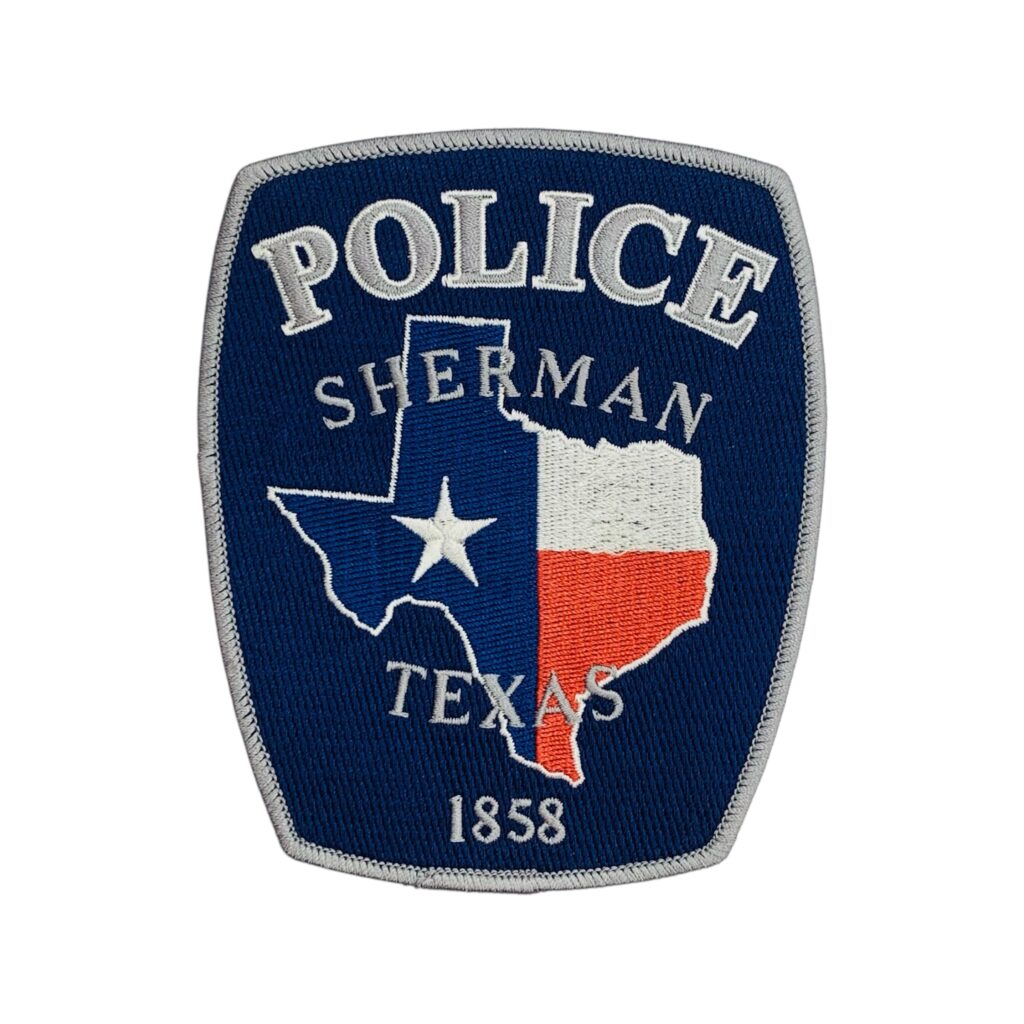
Prefácio: O que são os emblemas bordados da polícia?
Os emblemas bordados da polícia são um componente essencial dos uniformes modernos de aplicação da lei, servindo não só como identificadores visuais, mas também como símbolos de autoridade, profissionalismo e estrutura organizacional. Nos actuais sistemas policiais altamente estruturados, estes emblemas desempenham um papel fundamental na distinção de departamentos, postos e unidades especializadas, tornando-os indispensáveis tanto em operações diárias como em contextos cerimoniais. Para as organizações e equipas de aquisição que não estão familiarizadas com os emblemas bordados da polícia, compreender as suas funções e normas de fabrico é o primeiro passo para tomar decisões de aquisição informadas.
De um ponto de vista prático, os emblemas bordados da polícia - também vulgarmente designados por emblemas de uniformes da polícia ou emblemas de distintivos da polícia-são concebidos para proporcionar reconhecimento imediato. Quer sejam colocados no peito, no ombro ou na manga, estes emblemas comunicam informações importantes, como a jurisdição, a identidade do agente e a afiliação departamental. Em comparação com os crachás impressos, os emblemas bordados oferecem uma durabilidade, textura e integridade visual superiores a longo prazo, o que os torna a escolha preferida das agências de aplicação da lei em todo o mundo.
Para além da identificação, os emblemas bordados da polícia têm também um valor simbólico. Representam honra, dever e património institucional, à semelhança das insígnias militares, como os emblemas bordados com horas de voo da Força Aérea. Esta ligação realça o facto de os bordados serem utilizados há muito tempo em todos os serviços uniformizados para significar experiência, patente e realização. Consequentemente, a conceção e a produção de emblemas da polícia devem cumprir normas rigorosas em termos de clareza, exatidão das cores e qualidade do material.
Do ponto de vista do fabrico, a produção de emblemas bordados pela polícia de alta qualidade requer técnicas de bordado avançadas, materiais de fio de primeira qualidade e métodos precisos de acabamento dos bordos, tais como bordos em merrow ou corte a laser. Estes elementos asseguram que os emblemas podem suportar condições ambientais adversas, lavagens frequentes e desgaste a longo prazo sem se desvanecerem ou desfiarem. Para os compradores B2B, especialmente os que se abastecem junto de fabricantes OEM, compreender estes aspectos técnicos é crucial para garantir a consistência e a fiabilidade do produto.
Neste guia, iremos explorar todo o espetro de emblemas bordados da polícia - desde as suas aplicações e tipos até às considerações de design e processos de fabrico OEM. Quer seja um responsável pelas aquisições no âmbito da aplicação da lei, um fornecedor de uniformes ou uma marca que procura emblemas policiais personalizados, este artigo fornecerá uma visão geral abrangente para o ajudar a navegar no sector com confiança.
Utilizações dos emblemas bordados da polícia na aplicação da lei
Os emblemas bordados da polícia não são meros elementos decorativos; servem múltiplos objectivos funcionais e simbólicos nos sistemas de aplicação da lei. Desde a identificação operacional à hierarquia organizacional, estes emblemas são cuidadosamente concebidos para aumentar a clareza, a autoridade e a eficiência em ambientes policiais reais. Para as equipas de aquisição e fornecedores de uniformes, compreender as diversas aplicações dos emblemas bordados da polícia é essencial para selecionar as especificações e configurações corretas.
Na prática, os emblemas bordados da polícia são mais frequentemente integrados nos uniformes para proporcionar uma identificação visual imediata. Os agentes que actuam no terreno dependem de insígnias claras para se distinguirem dos civis e de outras agências, especialmente em situações de alta pressão. Estes emblemas de uniformes da polícia são estrategicamente colocados nos ombros, peito ou mangas para maximizar a visibilidade. Além disso, os diferentes designs de emblemas ajudam a diferenciar departamentos como unidades de patrulha, equipas SWAT, divisões de trânsito e gabinetes de investigação, assegurando que o papel de cada agente é imediatamente reconhecível.
Outra função crítica dos emblemas bordados da polícia é representar a posição e a hierarquia. À semelhança dos sistemas militares, as agências de aplicação da lei utilizam frequentemente insígnias bordadas para indicar níveis de classificação, anos de serviço ou qualificações especializadas. Esta estrutura hierárquica suporta um fluxo de comando eficiente e reforça a disciplina dentro da organização. Em muitos casos, estes emblemas de classificação têm de seguir normas de design rigorosas, incluindo códigos de cores e regulamentos de tamanho, o que realça ainda mais a importância da precisão no fabrico.
Os emblemas bordados da polícia também são amplamente utilizados para fins comemorativos e cerimoniais. Os emblemas de eventos especiais, distintivos de aniversário e insígnias de missões específicas permitem que os departamentos celebrem marcos e honrem realizações. Estes emblemas apresentam frequentemente desenhos mais complexos e uma maior densidade de pontos, reflectindo a sua importância simbólica. Para os coleccionadores e para o reforço da moral interna, estes emblemas têm um valor significativo para além do seu papel funcional.
Numa perspetiva B2B, a compreensão destas aplicações variadas ajuda os compradores a determinar os materiais adequados, os tipos de suporte (como o velcro para flexibilidade) e as técnicas de bordado necessárias para cada caso de utilização. Quer se trate de uniformes de uso diário ou de emblemas comemorativos de edição limitada, a aplicação pretendida influencia diretamente a complexidade do design, os requisitos de durabilidade e os métodos de produção.
Patches de identificação para uniformes da polícia
Os emblemas de identificação são o tipo mais fundamental de emblemas bordados da polícia, concebidos para apresentar claramente os nomes dos departamentos, as jurisdições ou os números de identificação dos agentes. Estes emblemas dão prioridade à legibilidade e ao contraste, garantindo a visibilidade à distância e em várias condições de iluminação.
Patches de unidades e departamentos
Os emblemas de unidade distinguem divisões específicas dentro de uma força policial, tais como unidades K9, equipas SWAT ou de fiscalização do trânsito. Estes emblemas incorporam frequentemente símbolos, ícones ou esquemas de cores únicos para representar visualmente a função de cada departamento.
Insígnias de classificação e de honra
Os emblemas de insígnias de patente indicam hierarquia, incluindo patentes como oficial, sargento, tenente e capitão. Nalguns casos, representam também anos de serviço ou louvores especiais, à semelhança dos sistemas de bordados de estilo militar.
Patches comemorativos e de tarefas especiais
Estes emblemas são criados para missões especiais, aniversários ou eventos limitados. Apresentam frequentemente bordados complexos, obras de arte únicas e valor colecionável, o que os torna populares nas comunidades de agentes da autoridade.
📊 Tabela: Visão geral dos aplicativos de patches bordados da polícia
| Tipo de aplicação | Objetivo | Colocação típica | Caraterísticas principais |
|---|---|---|---|
| Patch de identificação | ID do funcionário / departamento | Peito / Ombro | Alta visibilidade |
| Unidade Patch | Distinção de departamento | Manga | Símbolos únicos |
| Insígnias de patente | Indicação da hierarquia | Ombro / Colarinho | Conceção estruturada |
| Patch comemorativo | Eventos / realizações | Braço / Coleção | Bordado pormenorizado |
Leitura alargada
- Guia de emblemas bordados para militares, polícias e bombeiros
- Patches bordados na indústria de uniformes
Tipos de emblemas bordados da polícia: Estruturas, suportes e aplicações
Compreender os diferentes tipos de emblemas bordados da polícia é essencial para selecionar o produto certo para aplicações específicas de aplicação da lei. Embora todos os emblemas da polícia sirvam para fins de identificação e simbólicos, a sua estrutura, método de fixação e durabilidade podem variar significativamente consoante as necessidades operacionais. Para as equipas de aquisição e os compradores OEM, a escolha do tipo correto de emblemas bordados da polícia tem um impacto direto na facilidade de utilização, na longevidade e na eficiência global dos custos.
Uma das distinções mais importantes reside na forma como o emblema é fixado ao uniforme. As diferentes opções de suporte - tais como velcro, costura e ferro de engomar - oferecem diferentes níveis de flexibilidade e permanência. Por exemplo, Patches de polícia em velcro são amplamente utilizados em unidades tácticas porque permitem uma rápida remoção e substituição, o que os torna ideais para ambientes dinâmicos em que as funções ou tarefas podem mudar frequentemente. Em contrapartida, os emblemas cosidos proporcionam uma durabilidade máxima e são normalmente utilizados em uniformes normais que requerem um uso prolongado.
Outra consideração importante é o design estrutural do próprio emblema. Os emblemas bordados da polícia podem variar em termos de espessura, acabamento dos bordos e densidade dos pontos. Os bordados de alta densidade são frequentemente utilizados para logótipos e insígnias pormenorizadas, enquanto os desenhos mais simples podem dar prioridade à legibilidade e à eficiência de custos. Os métodos de acabamento dos bordos, tais como os bordos em merrow ou os bordos cortados a laser, também influenciam o aspeto geral e a durabilidade do emblema. Estes elementos estruturais devem estar alinhados com a utilização pretendida, quer se trate de uma utilização diária, cerimonial ou para fins de coleção.
Além disso, a personalização desempenha um papel crucial na produção moderna de adesivos para a polícia. Muitas agências exigem adesivos adaptados a departamentos, regiões ou unidades operacionais específicas. Isto levou a um aumento da procura de emblemas bordados personalizados da polícia que podem acomodar formas, cores e materiais únicos. Os fabricantes OEM devem, por conseguinte, fornecer capacidades de produção flexíveis, mantendo simultaneamente normas de controlo de qualidade rigorosas.
Ao compreender os diferentes tipos de emblemas bordados da polícia e as suas aplicações, os compradores podem tomar decisões mais informadas ao selecionar materiais, opções de suporte e especificações de fabrico. Isto não só garante um desempenho ótimo no terreno, como também melhora a imagem profissional dos agentes da autoridade.
Adesivos de polícia de velcro (suporte de gancho e laço)
Os emblemas policiais bordados com velcro foram concebidos para máxima flexibilidade e facilidade de utilização. Estes emblemas podem ser rapidamente colocados ou retirados, o que os torna ideais para unidades tácticas, ambientes de formação e situações em que são necessárias mudanças frequentes de uniforme.
Emblemas de polícia cosidos (fixação permanente)
Os emblemas cosidos são a opção mais tradicional e duradoura. São cosidos de forma permanente nos uniformes, garantindo uma estabilidade a longo prazo, mesmo em caso de utilização intensa e lavagens repetidas.
Patches da polícia para passar a ferro (suporte de transferência térmica)
Os emblemas para passar a ferro utilizam um adesivo ativado pelo calor para a aplicação. Embora sejam práticos, são geralmente considerados menos duradouros do que as opções de costura e são frequentemente utilizados para fins temporários ou suplementares.
Tipos de rebordos: Rebordo Merrow vs Corte a Laser
O acabamento dos bordos dos emblemas bordados da polícia afecta significativamente a estética e a durabilidade. Os rebordos Merrow proporcionam um rebordo clássico e elevado, enquanto os rebordos cortados a laser permitem formas mais complexas e modernas.
📊 Tabela: Comparação dos tipos de remendos da polícia
| Tipo de remendo | Método de fixação | Durabilidade | Flexibilidade | Melhor caso de utilização |
|---|---|---|---|---|
| Patch de velcro | Gancho e laço | Elevado | Muito elevado | Unidades tácticas |
| Patch de costura | Costura | Muito elevado | Baixa | Uniformes standard |
| Patch para passar a ferro | Adesivo térmico | Médio | Médio | Utilização temporária |
| Borda cortada a laser | Corte de precisão | Elevado | Elevado | Formas personalizadas |
| Fronteira de Merrow | Costura em overloque | Muito elevado | Médio | Patches de uniforme clássicos |
🔗 Leitura alargada
- Guia de emblemas bordados com velcro: Benefícios e aplicações
- Guia de comparação de fundos de emblemas bordados
Conceção de emblemas bordados da polícia: Elementos-chave para a visibilidade e a identidade
O design dos emblemas bordados da polícia é um fator crítico que influencia diretamente a funcionalidade, o reconhecimento e a imagem profissional. Ao contrário dos emblemas decorativos, os emblemas da polícia têm de equilibrar a estética com a clareza, assegurando que a informação essencial pode ser rapidamente identificada em cenários do mundo real. Para as agências de aplicação da lei e os compradores OEM, uma desenho de emblemas bordados da polícia deve incorporar elementos normalizados, permitindo ao mesmo tempo a personalização com base nas necessidades do departamento.
A clareza visual é fundamental para o design de qualquer emblema da polícia. Os agentes trabalham frequentemente em ambientes de ritmo acelerado e de alto risco, onde o reconhecimento imediato é crucial. Isto significa que o texto, os símbolos e os contrastes de cor devem ser optimizados para serem legíveis à distância. As formas comuns, como escudos, círculos ou distintivos, são amplamente utilizadas porque se alinham com o simbolismo tradicional da aplicação da lei e fornecem uma disposição estruturada para a colocação de informações. Para além disso, a tipografia desempenha um papel fundamental - são normalmente preferidos tipos de letra sem serifa e em negrito para melhorar a legibilidade em várias condições de iluminação.
A seleção de cores é outra consideração essencial do design. Os emblemas bordados da polícia utilizam frequentemente combinações de cores de elevado contraste, tais como fundos escuros com letras brilhantes, para melhorar a visibilidade. O código de cores também pode ser utilizado para diferenciar unidades ou patentes, permitindo uma identificação visual rápida sem depender apenas do texto. Por exemplo, as unidades tácticas podem adotar esquemas de cores suaves para fins operacionais, enquanto os emblemas cerimoniais podem apresentar desenhos mais vibrantes e detalhados.
Para além dos elementos básicos, o design deve também refletir a identidade organizacional. Cada departamento de polícia pode incorporar emblemas, lemas ou símbolos regionais únicos nos seus emblemas, reforçando o património institucional e a marca. Isto é particularmente importante para as agências que procuram manter uma forte imagem pública ou coesão interna. Em muitos casos, emblemas bordados personalizados da polícia são desenvolvidos para se alinharem com as diretrizes oficiais da marca, garantindo a consistência entre uniformes e departamentos.
Do ponto de vista do fabrico, as decisões de conceção têm um impacto direto na viabilidade e no custo da produção. Desenhos muito complexos com pormenores finos requerem bordados de alta densidade e maquinaria avançada, o que pode aumentar o tempo de produção e o preço. Por conseguinte, os fabricantes OEM colaboram frequentemente com os clientes para otimizar os desenhos - equilibrando o detalhe com a capacidade de fabrico. Técnicas como a simplificação dos pontos, a limitação da cor e a otimização dos bordos são normalmente aplicadas para obter os melhores resultados.
Em última análise, um emblema bordado da polícia bem concebido não é apenas uma ferramenta de identificação, mas também uma representação de autoridade, profissionalismo e orgulho organizacional. Ao considerar cuidadosamente os elementos de design, como a forma, a cor, a tipografia e o simbolismo, os compradores podem garantir que os seus emblemas cumprem os requisitos operacionais e os objectivos da marca.
Elementos essenciais de design: Forma, cor e tipografia
A base de qualquer desenho de emblema bordado da polícia assenta em três elementos-chave: forma, cor e tipografia. As formas padrão, como escudos e círculos, fornecem estrutura, enquanto as cores de alto contraste e os tipos de letra claros garantem a legibilidade e o reconhecimento.
Visibilidade e reconhecimento em cenários do mundo real
Os projectos devem dar prioridade à visibilidade em várias condições, incluindo pouca luz, visão à distância e movimento rápido. Isto é especialmente importante para a segurança operacional e para uma identificação eficiente.
Patches bordados personalizados da polícia para a identidade do departamento
A personalização permite aos departamentos incorporar logótipos, lemas e símbolos regionais, reforçando a identidade da marca e a coesão interna entre as unidades de aplicação da lei.
Tabela: Diretrizes para a conceção do emblema da polícia
| Elemento de conceção | Objetivo | Recomendação | Impacto |
|---|---|---|---|
| Forma | Estrutura e simbolismo | Escudo / Círculo | Imagem profissional |
| Cor | Visibilidade | Alto contraste | Reconhecimento rápido |
| Tipografia | Legibilidade | Tipos de letra simples e em negrito | Identificação clara |
| Nível de pormenor | Estética vs. custo | Complexidade moderada | Eficiência da produção |
🔗 Leitura alargada
- Como desenhar arte para bordar (Guia passo-a-passo)
- Porque é que os logótipos bordados da empresa são importantes para a identidade da marca
Técnicas de bordado para emblemas bordados da polícia: Precisão, durabilidade e qualidade do material
A qualidade dos emblemas bordados da polícia é determinada fundamentalmente pelas técnicas de bordado e pelos materiais utilizados durante a produção. Para as aplicações policiais, em que a durabilidade e a clareza são essenciais, a seleção do técnicas de bordado para emblemas bordados da polícia é fundamental. Ao contrário dos emblemas decorativos, os emblemas da polícia têm de resistir a condições adversas, incluindo lavagens frequentes, exposição ao ar livre e desgaste prolongado, sem perder a sua integridade estrutural ou clareza visual.
Uma das técnicas mais importantes na produção de emblemas para a polícia é o bordado de alta densidade. Este método aumenta a contagem de pontos por área, permitindo obter pormenores mais nítidos e bordos mais definidos. A costura de alta densidade é particularmente vantajosa para logótipos, emblemas e elementos de texto complexos que exijam precisão. No entanto, deve ser cuidadosamente equilibrada para evitar a rigidez ou a acumulação excessiva de linhas, o que pode afetar o conforto e a flexibilidade quando utilizada em uniformes.
O acabamento dos bordos é outro fator crucial que tem impacto tanto na durabilidade como na estética. Os dois métodos mais comuns são os rebordos em merrow e os rebordos cortados a laser. Os rebordos merrow proporcionam um rebordo tradicional, sobreposto, que protege o remendo contra o desgaste e oferece um aspeto uniforme clássico. Por outro lado, os rebordos cortados a laser permitem formas mais complexas e designs modernos, tornando-os ideais para emblemas tácticos ou bordados personalizados da polícia. A escolha do tipo de rebordo correto depende dos requisitos de design e da utilização pretendida.
A qualidade do fio também desempenha um papel vital na determinação da longevidade e do aspeto dos emblemas bordados pela polícia. Os fios de poliéster de alta qualidade são normalmente utilizados devido à sua resistência ao desbotamento, à abrasão e aos danos ambientais. A solidez da cor é especialmente importante para os emblemas da polícia, uma vez que a representação consistente da cor garante uma aparência profissional em todos os uniformes. Os fornecedores de linhas fiáveis, como os fabricantes líderes do sector, contribuem significativamente para a manutenção destas normas.
Do ponto de vista do fabrico, as máquinas de bordar avançadas garantem precisão e consistência em grandes séries de produção. Os modernos sistemas de bordado computorizado permitem a replicação exacta dos desenhos, minimizando a variação entre lotes. Isto é particularmente importante para os clientes OEM que exigem uniformidade em milhares de emblemas. Os principais fornecedores de equipamento da indústria estabeleceram a referência para a produção de bordados de alta velocidade e alta precisão.
Em última análise, a combinação de técnicas de bordado avançadas, materiais de alta qualidade e processos de fabrico fiáveis garante que os emblemas bordados da polícia satisfazem as exigências rigorosas da aplicação da lei. Para os compradores B2B, compreender estes aspectos técnicos é essencial para avaliar os fornecedores e garantir o desempenho do produto a longo prazo.
Bordado de alta densidade para precisão de detalhes
O bordado de alta densidade melhora a clareza e a nitidez dos detalhes, tornando-o ideal para distintivos da polícia, logótipos e desenhos com muito texto que exijam grande visibilidade e aspeto profissional.
Acabamento de rebordos: Rebordo Merrow vs Corte a laser
As bordas Merrow oferecem durabilidade e um aspeto clássico, enquanto as bordas cortadas a laser permitem formas complexas e desenhos modernos, especialmente para emblemas tácticos da polícia.
Qualidade do fio e solidez da cor
As linhas de bordado de qualidade superior garantem cores duradouras, resistência ao desbotamento e durabilidade em condições adversas, que são essenciais para os uniformes da polícia.
📊 Tabela: Comparação de técnicas de bordado
| Técnica | Caraterística | Vantagem | Melhor aplicação |
|---|---|---|---|
| Bordado de alta densidade | Aumento do número de pontos | Pormenores nítidos | Logótipos e emblemas |
| Fronteira de Merrow | Borda sobreposta | Anti-fragmentação | Uniformes standard |
| Borda cortada a laser | Corte de precisão | Formas personalizadas | Patches tácticos |
| Fio de poliéster | Material duradouro | Resistente e de cor fixa | Todos os emblemas de polícia |
🔗 Leitura alargada
- FuFu's Thread - Linhas de bordar profissionais para crachás duradouros e de cor fixa
- Tajima Group - Tecnologia de Bordado Industrial para Fabrico de Precisão
- Guia de contagem de pontos de bordado de alta densidade
Processo de fabrico OEM para emblemas bordados da polícia: Do projeto à entrega
Para as empresas e agências de aplicação da lei que adquirem os emblemas bordados da polícia, é essencial compreender o processo de fabrico OEM para garantir uma colaboração harmoniosa, uma qualidade consistente e prazos de entrega fiáveis. Um profissional fabricante de emblemas bordados da polícia segue normalmente um fluxo de trabalho de produção estruturado que transforma os conceitos iniciais de design em patches acabados e de alta qualidade, prontos para serem implementados.
O processo começa com a confirmação do trabalho artístico e a recolha de amostras. Os clientes fornecem ficheiros de design ou conceitos de referência, que são depois convertidos em formatos prontos para bordar através de digitalização. Este passo é crucial porque determina a direção dos pontos, a densidade e a sequência das linhas. Normalmente, é produzida uma amostra física ou digital para aprovação, permitindo aos clientes avaliar a exatidão do desenho, a correspondência de cores e o aspeto geral antes do início da produção em massa. Para os compradores OEM, esta fase minimiza o risco e assegura o alinhamento com as expectativas.
Após a aprovação da amostra, inicia-se a fase de produção. Esta fase envolve o bordado em grande escala utilizando máquinas computorizadas avançadas para garantir a precisão e a consistência em todas as unidades. Durante esta fase, são implementadas medidas rigorosas de controlo de qualidade, incluindo a inspeção da precisão da costura, a consistência da cor e o acabamento dos bordos. Os fabricantes de alta qualidade efectuam frequentemente vários controlos de qualidade ao longo do processo para garantir que cada remendo cumpre as normas exigidas.
Após a produção, os adesivos passam para a fase de acabamento e embalagem. Esta fase inclui o corte, a aplicação do suporte (como velcro ou ferro de engomar) e a inspeção final. A embalagem correta também é essencial, especialmente para envios internacionais, para evitar danos durante o transporte. Os fornecedores OEM oferecem normalmente soluções de embalagem personalizadas, consoante os requisitos do cliente, como a embalagem a granel ou a embalagem individual em polietileno.
A entrega e a logística constituem a fase final do processo OEM. Os prazos de entrega podem variar consoante o volume da encomenda, a complexidade do design e o método de envio. Os fabricantes fiáveis fornecem prazos transparentes e uma comunicação consistente para garantir que os clientes podem planear o seu inventário e distribuição de forma eficaz. Para os compradores globais, a experiência em processos de exportação e documentação é uma vantagem adicional na seleção de um fornecedor.
Ao compreenderem todo o processo de fabrico OEM, os compradores podem avaliar melhor os fornecedores, otimizar os prazos dos projectos e garantir que os seus emblemas bordados da polícia cumprem os requisitos funcionais e de marca. Esta abordagem estruturada não só aumenta a eficiência da produção, como também cria uma confiança a longo prazo entre fabricantes e clientes.
Digitalização de obras de arte e processo de amostragem
Esta fase inicial converte os ficheiros de desenho em programas de bordado e produz amostras para aprovação, garantindo a precisão antes da produção em massa.
Produção em massa e controlo de qualidade
A produção de bordados em grande escala é apoiada por controlos de qualidade rigorosos para manter a consistência da costura, da cor e do acabamento.
Acabamento, embalagem e entrega global
Os processos finais incluem o corte dos bordos, a aplicação do suporte, a embalagem e a logística de expedição adaptada às necessidades do cliente.
📊 Tabela: Visão geral do processo de fabrico OEM
| Estágio | Descrição | Foco principal | Período de tempo típico |
|---|---|---|---|
| Arte e amostragem | Digitalização e aprovação do projeto | Precisão e alinhamento | 5-7 dias |
| Produção | Fabrico de bordados em massa | Coerência e qualidade | 10-20 dias |
| Acabamento | Corte de bordos e suporte | Durabilidade | 2-3 dias |
| Embalagem e entrega | Embalagem e expedição | Proteção e logística | Varia |
🔗 Leitura alargada
- Fabricante de bordados OEM: Soluções de produção de serviço completo
https://artistembroidery.com/oem-embroidery-manufacturer/ - Como encomendar emblemas bordados personalizados (guia passo a passo)
https://artistembroidery.com/how-to-order-custom-embroidered-patches/
Como escolher um fabricante de emblemas bordados para a polícia: Critérios-chave para compradores OEM
Selecionar o fabricante certo para os emblemas bordados da polícia é uma decisão crítica que tem um impacto direto na qualidade do produto, na consistência e na fiabilidade do fornecimento a longo prazo. Para as agências de aplicação da lei, fornecedores de uniformes e compradores B2B, a parceria com um profissional fabricante de emblemas bordados da polícia garante que os adesivos cumprem normas funcionais e visuais rigorosas. Com muitos fornecedores disponíveis no mercado global, compreender os principais critérios de avaliação pode ajudar os compradores a evitar erros dispendiosos e a garantir um parceiro OEM fiável.
Um dos factores mais importantes a considerar é a capacidade de fabrico. Um fornecedor fiável deve ter maquinaria de bordado avançada, técnicos experientes e a capacidade de lidar com desenhos complexos com precisão. O equipamento topo de gama garante uma qualidade de ponto consistente e uma reprodução exacta das cores em grandes séries de produção. Além disso, os fabricantes com capacidades de digitalização internas podem otimizar os desenhos para bordar, reduzindo os erros e melhorando a eficiência. Isto é particularmente importante para os emblemas bordados personalizados da polícia que exigem o cumprimento rigoroso das especificações oficiais.
O controlo de qualidade é outra consideração essencial. Os fabricantes OEM profissionais implementam processos de inspeção em várias fases para garantir que cada remendo cumpre as normas exigidas. Isto inclui a verificação da densidade dos pontos, da qualidade do fio, do acabamento dos bordos e da durabilidade geral. A consistência é especialmente importante para os emblemas da polícia, uma vez que as variações no design ou na cor podem afetar a uniformidade entre departamentos. Os compradores devem dar prioridade a fornecedores que forneçam protocolos de garantia de qualidade claros e que estejam dispostos a partilhar relatórios de inspeção ou amostras.
A flexibilidade de personalização também é um diferencial importante. As agências de aplicação da lei necessitam frequentemente de emblemas adaptados a unidades, patentes ou regiões específicas. Um fabricante capaz deve oferecer uma vasta gama de opções de personalização, incluindo tipos de suporte (velcro, costura, ferro de engomar), acabamentos de extremidade (corte a laser ou merrow) e selecções de materiais. A capacidade de acomodar requisitos de design exclusivos sem comprometer a qualidade é um forte indicador de um parceiro OEM experiente.
Para além das capacidades de produção, os compradores devem avaliar a experiência do fornecedor no comércio internacional. Os fabricantes com experiência em exportação compreendem a logística de expedição, os requisitos de documentação e as normas de conformidade, o que ajuda a garantir transacções transfronteiriças sem problemas. Uma comunicação clara, prazos de entrega transparentes e um apoio ao cliente reativo são também factores críticos que contribuem para uma parceria de sucesso a longo prazo.
Em última análise, a escolha do fabricante certo de emblemas bordados para a polícia não tem apenas a ver com o preço - tem a ver com a fiabilidade, a qualidade e a capacidade de fornecer consistentemente produtos que satisfaçam as necessidades operacionais e de marca. Ao avaliar cuidadosamente estes critérios, os compradores OEM podem criar parcerias fortes que apoiam a eficiência e o crescimento a longo prazo.
Capacidade de fabrico e equipamento
As máquinas de bordar avançadas e os técnicos especializados asseguram a precisão, a consistência e a capacidade de lidar com desenhos complexos de emblemas da polícia.
Controlo de qualidade e consistência
Processos de inspeção rigorosos garantem uma costura uniforme, cores precisas e uma construção duradoura em todos os lotes de produção.
Flexibilidade de personalização para aplicações policiais
Um fabricante profissional deve oferecer várias opções de suporte, acabamentos de extremidade e escolhas de materiais para satisfazer as diversas necessidades dos serviços de aplicação da lei.
📊 Tabela: Lista de controlo da avaliação de fornecedores
| Critérios | Importância | O que procurar | Impacto |
|---|---|---|---|
| Capacidade de fabrico | Elevado | Máquinas avançadas e digitalização | Qualidade consistente |
| Controlo de qualidade | Elevado | Inspeção em várias fases | Fiabilidade |
| Personalização | Elevado | Opções flexíveis | Responde a necessidades específicas |
| Experiência | Médio | Experiência em OEM e exportação | Operações sem problemas |
| Comunicação | Elevado | Resposta rápida | Eficiência do projeto |
🔗 Leitura alargada
- Os nossos serviços de bordados: Soluções OEM personalizadas
- Soluções de bordado para clientes globais
Patches bordados policiais vs militares: Principais diferenças em termos de design, função e padrões
Embora os emblemas bordados da polícia e os emblemas bordados militares partilhem métodos de construção semelhantes, a sua filosofia de conceção, requisitos funcionais e normas de utilização diferem significativamente. Compreender estas diferenças é essencial para compradores, designers e fabricantes OEM que pretendem produzir emblemas que cumpram as especificações corretas para cada sector. Ambos os tipos de emblemas servem para fins de identificação e simbólicos, mas os seus contextos de aplicação determinam a forma como são concebidos e fabricados.
Do ponto de vista do design, os emblemas bordados da polícia dão prioridade à clareza e ao reconhecimento imediato. Os agentes da autoridade operam em ambientes civis onde a identificação rápida é fundamental para a segurança e a autoridade. Por conseguinte, emblemas bordados da polícia Os emblemas militares são normalmente caracterizados por texto a negrito, cores de elevado contraste e esquemas simples que podem ser facilmente lidos à distância. Em contrapartida, os emblemas militares realçam frequentemente o simbolismo e a herança, incorporando insígnias detalhadas, emblemas de unidades e gráficos específicos de missões. Este facto torna os emblemas militares visualmente mais complexos, mas por vezes menos centrados na legibilidade imediata.
Funcionalmente, os emblemas da polícia são concebidos para utilização diária em operações de rotina, o que significa que a durabilidade, o conforto e a consistência são prioridades fundamentais. Estes emblemas devem resistir a lavagens frequentes, à exposição às intempéries e ao desgaste contínuo sem perder o seu aspeto. Os emblemas militares, por outro lado, podem variar consoante a sua finalidade. Alguns são utilizados em combate ou em ambientes tácticos, exigindo designs de baixa visibilidade, enquanto outros - como os emblemas bordados com horas de voo da Força Aérea - são utilizados para representar feitos e níveis de experiência. Estes emblemas têm frequentemente um significado simbólico mais profundo e podem incluir bordados intrincados para refletir a patente, as missões ou a história do serviço.
Outra diferença importante reside na normalização e na regulamentação. Os departamentos de polícia seguem normalmente diretrizes internas para o design de emblemas, que podem variar entre regiões e agências. Isto permite um certo nível de personalização em emblemas bordados personalizados da polícia. Em contraste, os emblemas militares são frequentemente regidos por regulamentos mais rigorosos, com requisitos precisos em termos de dimensões, cores e colocação. Este nível de estandardização assegura a uniformidade em organizações militares de grande escala.
Do ponto de vista do fabrico, estas diferenças influenciam as técnicas de produção e a seleção de materiais. Os emblemas da polícia dão frequentemente prioridade à legibilidade e à eficiência de custos, enquanto os emblemas militares podem exigir uma maior densidade de pontos e processos de bordado mais complexos. Os fabricantes OEM devem, por conseguinte, adaptar a sua abordagem de produção com base na aplicação pretendida, assegurando que cada emblema satisfaz as expectativas funcionais e estéticas da sua utilização final.
Ao compreender as diferenças entre os emblemas bordados da polícia e os militares, os compradores podem definir melhor os seus requisitos e comunicar eficazmente com os fabricantes. Isto não só melhora a qualidade do produto, como também garante que os emblemas servem o objetivo pretendido nos respectivos ambientes.
Diferenças de design: Clareza vs Simbolismo
Os emblemas da polícia centram-se na legibilidade e na identificação, enquanto os emblemas militares realçam o significado simbólico e as insígnias pormenorizadas.
Diferenças funcionais: Utilização quotidiana vs. utilização com base na missão
Os emblemas policiais são concebidos para operações quotidianas, enquanto os emblemas militares podem variar entre a utilização tática e os fins comemorativos.
Diferenças de normalização e regulamentação
Os emblemas da polícia permitem uma maior personalização, enquanto os emblemas militares seguem frequentemente regulamentos oficiais e normas de uniforme rigorosos.
📊 Tabela: Comparação entre emblemas bordados da polícia e militares
| Caraterística | Patches bordados da polícia | Patches militares bordados |
|---|---|---|
| Foco no design | Clareza e identificação | Simbolismo e património |
| Complexidade | Moderado | Elevado |
| Utilização | Serviço diário | Missão / realização |
| Normalização | Flexível | Rigoroso |
| Visibilidade | Alto contraste | Variável (incluindo baixa visibilidade) |
🔗 Leitura alargada
- Guia do emblema bordado das horas de voo da Força Aérea
- Guia de emblemas bordados para militares, polícias e bombeiros
FAQ: Perguntas comuns sobre os emblemas bordados da polícia
Os emblemas bordados da polícia são amplamente utilizados em todas as agências de aplicação da lei, mas muitos compradores - especialmente os que são novos no fornecimento - ainda têm questões importantes relativamente à personalização, durabilidade e processos de fabrico. Esta secção de FAQ aborda as preocupações mais comuns relacionadas com emblemas bordados da polícia, O site da Web da Microsoft, o "site", ajuda as equipas de compras, os fornecedores de uniformes e as organizações a tomarem decisões informadas ao seleccionarem e encomendarem os emblemas. Ao compreender estas perguntas frequentes, os compradores podem avaliar melhor os fornecedores, otimizar as suas especificações e garantir que os seus emblemas cumprem os requisitos funcionais e de marca.
Q1. Os emblemas bordados da polícia podem ser totalmente personalizados?
Sim, emblemas bordados personalizados da polícia podem ser totalmente adaptados para satisfazer requisitos específicos, incluindo forma, tamanho, cor, texto e tipo de suporte. Os fabricantes OEM podem produzir emblemas com base no trabalho artístico ou nas especificações de design do cliente.
Q2. Qual é a quantidade mínima de encomenda (MOQ) para os emblemas da polícia?
O MOQ varia consoante o fabricante, mas a maioria dos fornecedores OEM exige uma encomenda mínima para garantir a eficiência dos custos. Alguns fabricantes podem oferecer opções flexíveis de MOQ para amostragem ou produção de pequenos lotes.
Q3. Quanto tempo é necessário para produzir os emblemas bordados da polícia?
A produção demora normalmente 2 a 4 semanas, incluindo a amostragem e a produção em massa. O prazo de entrega pode variar consoante a complexidade do desenho e o volume da encomenda.
Q4. Qual é o melhor suporte para os emblemas bordados da polícia?
O suporte em velcro é ideal para a flexibilidade tática, enquanto o suporte cosido proporciona a máxima durabilidade para uma utilização a longo prazo. A escolha depende da aplicação pretendida.
Q5. Os emblemas bordados da polícia são duráveis e laváveis?
Sim, os emblemas bordados da polícia de alta qualidade são concebidos para resistir a lavagens frequentes, exposição ao ar livre e desgaste a longo prazo sem desvanecer ou desfiar.
Q6. Os emblemas da polícia podem ser impermeáveis ou resistentes às intempéries?
Embora o bordado em si seja durável, os tratamentos adicionais e os materiais de alta qualidade podem aumentar a resistência à água e às intempéries.
Q7. Os emblemas bordados da polícia têm de respeitar os regulamentos em matéria de design?
Sim, muitas agências de aplicação da lei têm diretrizes específicas relativamente ao tamanho, cor e colocação do emblema. Estas devem ser seguidas para garantir a conformidade e a uniformidade.
Q8. Qual é a diferença entre os adesivos com velcro e os adesivos cosidos?
Os adesivos de velcro são amovíveis e flexíveis, enquanto os adesivos cosidos são permanentes e mais duradouros. Cada um serve diferentes necessidades operacionais.
Q9. Posso pedir amostras antes da produção em massa?
Sim, a maioria dos fabricantes OEM profissionais fornece amostras para aprovação antes de proceder à produção em grande escala.
Q10. Como é que posso garantir uma qualidade consistente em todas as encomendas?
Trabalhar com um fabricante experiente que ofereça um controlo de qualidade rigoroso, processos normalizados e uma comunicação clara é fundamental para manter a consistência.
CTA: Fabricante profissional OEM para emblemas bordados da polícia
A escolha do parceiro certo para os emblemas bordados da polícia é essencial para garantir a qualidade do produto, a consistência e a fiabilidade a longo prazo. À medida que as agências de aplicação da lei e os fornecedores de uniformes exigem padrões mais elevados de durabilidade, precisão e personalização, trabalhar com um fabricante OEM experiente torna-se um fator chave para alcançar resultados de sucesso. Desde a otimização do design até à produção em massa, cada etapa do processo de fabrico tem de estar em conformidade com os rigorosos requisitos profissionais.
Na Artist Embroidery Corporation, somos especializados em bordados de alta qualidade emblemas bordados da polícia para clientes globais, oferecendo técnicas de bordado avançadas, materiais de primeira qualidade e capacidades de produção fiáveis. Com uma vasta experiência em OEM, apoiamos uma vasta gama de necessidades de personalização, incluindo suporte de velcro, rebordos de merrow, bordos cortados a laser e bordados de alta densidade. O nosso processo de produção foi concebido para garantir a consistência em todas as encomendas, o que faz de nós um parceiro de confiança para as forças policiais, fornecedores de uniformes e compradores B2B em todo o mundo.
Compreendemos que cada emblema da polícia representa não só a identificação, mas também a autoridade e a identidade organizacional. É por isso que nos concentramos em fornecer produtos que cumprem as normas funcionais e visuais. A nossa equipa trabalha em estreita colaboração com os clientes para aperfeiçoar os designs, otimizar a eficiência da produção e garantir uma entrega atempada, ajudando as empresas e as agências a atingir os seus objectivos com confiança.
Se procura um parceiro OEM fiável para emblemas bordados personalizados da polícia, estamos prontos para apoiar o seu projeto com experiência profissional e serviço dedicado.
📞 Informações de contacto
Artist Embroidery Corporation
📞 Telefone: +886-2-8245-8989
📧 Email: service@artistembroidery.com
🏢 Escritório: 7 F., No. 21, Qiao'an St., Zhonghe Dist., New Taipei City 235026, Taiwan
🏭 Fábrica: No. 12, Zhiwa 2nd Rd., Shetou Township, Changhua County 511006, Taiwan
Parceiro OEM fiável para emblemas bordados da polícia de alta qualidade.
🔗 COMEÇAR
 English
  Japanese
  Chinese
  Korean
  Spanish
  French
  Russian
  Portuguese
  German