
Foreword|Why Brands Should Care About Embroidered Badges
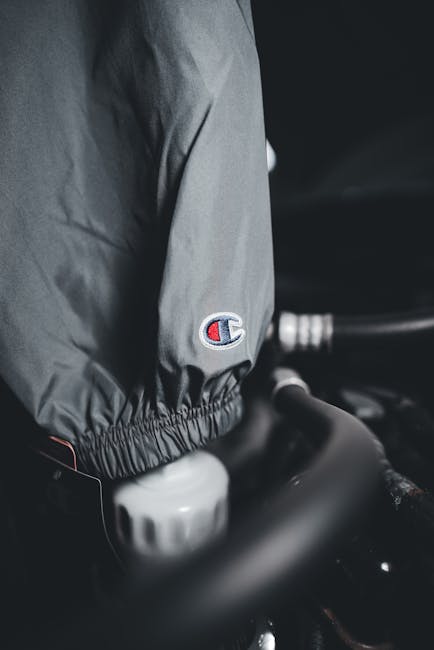
For many businesses, visual identity has become one of the most crucial elements of brand strategy. Among the numerous brand assets available today, embroidered badges stand out as a powerful yet often overlooked medium for strengthening recognition, reinforcing values, and elevating perceived quality. While stickers, printed labels, or digital graphics serve their own purposes, embroidered badges create a uniquely tangible and enduring impression—one that captures attention through texture, craftsmanship, and material presence. For brands unfamiliar with embroidered badge design or production, this foreword serves as a foundation for understanding why these small but impactful accessories have become indispensable across industries.
An embroidered badge is more than a decorative add-on; it is a brand identity tool that delivers emotional and strategic value. When placed on uniforms, merchandise, accessories, or promotional materials, a custom embroidered badge becomes a consistent visual cue that audiences associate with trust, professionalism, and belonging. This is especially true in sectors such as hospitality, retail, education, sports, military, and lifestyle brands—industries where first impressions and visual cohesion directly shape consumer perception. Because embroidered badges combine texture, depth, and carefully stitched color, they offer a premium, tactile quality that printed alternatives cannot replicate. In today’s saturated market, this sense of craftsmanship can help brands stand out.
Additionally, embroidered badges open creative possibilities for storytelling. Brands can highlight mission statements, tagline elements, mascots, or symbolic icons through high-quality stitching. Whether used for limited-edition collections, event giveaways, staff differentiation, or membership-based communities, embroidered badges add emotional value to the user experience. Their durability also supports long-term brand exposure, as these badges typically outlast many other promotional materials.
This guide will introduce how embroidered badges enhance visual identity, where they can be applied, what design elements matter most, and how brands can navigate the production process with confidence. Whether you are exploring embroidered badge production for the first time or seeking to refine your custom embroidered badge strategy, the following sections will equip you with the knowledge needed to make informed decisions that elevate your brand.
What Are Embroidered Badges? Understanding Their Brand Value and Core Characteristics
Definition of Embroidered Badges and Common Types
Embroidered badges—also referred to as embroidered patches or custom embroidered emblems—are decorative, stitched textile elements created by using embroidery machines to form intricate designs with colorful thread. Brands often use embroidered badges as visual identifiers on uniforms, merchandise, accessories, bags, hats, jackets, or promotional materials. Unlike printed labels, embroidered badges are constructed with depth and texture, allowing the thread to create shadows and dimensional effects that feel premium and long-lasting. This craftsmanship gives embroidered badges a distinct aesthetic that communicates authenticity and quality.
In general, embroidered badges can be classified into several types based on their construction and application method. Traditional embroidered patches are made using high-density stitching on a fabric base such as twill or felt. These are the most common and deliver a classic, tactile look. Woven badges, while technically not embroidered, are often grouped in the same conversation for comparison. They use thinner threads woven tightly to capture small details and are ideal for designs requiring micro-level precision. Chenille embroidered badges, recognizable by their fluffy, textured appearance, are commonly used in varsity jackets and fashion apparel, adding volume and a retro aesthetic. Another category includes 3D puff embroidered badges, where foam is placed beneath the stitching to create a raised, sculpted effect—popular in streetwear and caps.
Application methods also define badge types: sew-on badges provide durability and permanence; iron-on embroidered badges use heat-activated adhesive; hook-and-loop (Velcro) badges offer removability, making them ideal for tactical gear or interchangeable branding; and adhesive-backed badges are suitable for temporary uses. Understanding these types allows brands to match the right embroidered badge solution with their identity goals, product usage, or marketing campaign. Whether a brand aims for durability, luxury visual appeal, or high-detail execution, there is an embroidered badge type suited to its needs.
When Should Brands Use Embroidered Badges? Key Usage Scenarios
Brands often turn to embroidered badges when they want to combine visual impact with professional consistency. The tactile nature of embroidery instantly elevates the perceived value of apparel or merchandise, making it a preferred option across industries. For corporate brands, embroidered badges serve as identity anchors on staff uniforms—communicating reliability, organization, and a coherent brand presence. Hospitality, retail, transportation, and service-based companies frequently rely on embroidered badges as a core part of their uniform systems because they are durable, easy to maintain, and capable of delivering a sophisticated look without needing full garment customization.
In the world of events, marketing, and promotional activities, embroidered badges become versatile storytelling tools. Whether for product launches, corporate anniversaries, conferences, or pop-up experiences, brands use custom embroidered badges as collectible items that reinforce loyalty and enhance brand recall. These badges can also be attached to welcome kits, gift sets, membership packages, or limited-edition merchandise to elevate the unboxing experience.
Lifestyle and fashion brands also rely heavily on embroidered badges for identity-driven collections. Streetwear labels, outdoor gear companies, and sports teams integrate embroidered patches into jackets, caps, backpacks, and accessories to add personality and visual depth. Meanwhile, fandoms, clubs, NGOs, schools, and community groups use embroidered badges to symbolize pride and unity.
Another rapidly growing usage scenario is co-branded collaborations, where two brands create joint merchandise. Because embroidered badges are cost-effective to produce in smaller batches, they are ideal for capsule collections or collaborative apparel drops. In summary, brands should consider embroidered badges whenever their goals involve visibility, professional consistency, tactile quality, or emotional connection.
Embroidered Badges vs. Printed Labels and Stickers—What Makes Them Different?
Although printed labels, stickers, and heat-transfer graphics all play roles in branding, embroidered badges hold a unique position due to their craftsmanship, durability, and premium aesthetic. Printed items rely on ink or heat-transfer film to deliver visuals, which allows for fine details and gradients but lacks the tactile richness that embroidery provides. In contrast, embroidered badges use physical thread to create dimensional lines, shadows, and textures. This tactile quality makes badges feel more substantial, giving garments or merchandise a more luxurious or handcrafted appearance.
Durability also marks a key difference. Stickers and printed elements may fade, peel, or crack over time—especially after washing, sunlight exposure, or friction. Embroidered badges maintain their structure much longer because stitched thread withstands wear and laundering exceptionally well. For industries where uniforms require regular washing, such as hospitality or outdoor work, embroidered badges become a practical, long-term solution.
From a branding perspective, embroidered badges communicate commitment and permanence. Using stitched embroidery signals that the brand values quality and attention to detail. This perception is particularly critical for brands that rely on trust—such as educational institutions, government agencies, sports teams, and service providers. Meanwhile, printed labels or stickers may be interpreted as temporary or lower-cost solutions, making them suitable for short-term campaigns but less effective for building professional identity.
Finally, the emotional impact differs. Embroidered badges feel collectible and memorable due to their texture and craftsmanship. Customers often keep embroidered patches as souvenirs, especially in lifestyle, outdoor, or fandom-related brands. This “keepability factor” gives embroidered badges an extended lifespan beyond their initial application—ultimately enhancing brand exposure and loyalty. For brands aiming for premium appeal with long-lasting engagement, embroidered badges remain the superior choice.
Comparison Table: Embroidered Badges vs. Printed Fabric Labels vs. Stickers
| Feature | Embroidered Badges | Printed Fabric Labels | Stickers |
|---|---|---|---|
| Texture & Appearance | Premium, dimensional, thread-based texture | Flat surface, smooth print finish | Flat, glossy or matte surface |
| Detail Capability | Moderate detail; limited by stitch thickness | High detail; supports gradients & small text | Very high detail; supports photographic prints |
| Durability | Extremely durable; withstands washing & friction | Moderate durability; may fade over time | Low durability; peels or fades easily |
| Perceived Value | High—premium and professional | Medium—clean but less premium | Low—casual or temporary |
| Ideal Uses | Uniforms, jackets, hats, brand merchandise, collectibles | Apparel labels, lightweight garments, mass production items | Packaging, laptops, giveaways, short-term events |
| Lifetime | 5–10+ years | 1–3 years depending on washing | Weeks to months |
| Attachment Method | Sew-on, iron-on, Velcro, adhesive | Sewn or heat-pressed | Peel-and-stick |
| Best For | Long-term branding & high-quality identity | Lightweight clothing & detailed prints | Temporary or low-cost promotions |
How Embroidered Badges Strengthen Brand Identity: Five Key Impacts
Establishing Professionalism and Brand Consistency
One of the most influential ways embroidered badges enhance brand identity is through consistency and professionalism. In environments where employees interact directly with customers—such as hospitality, retail, logistics, corporate events, or educational institutions—visual uniformity plays a key psychological role. When staff members wear uniforms featuring consistent custom embroidered badges, audiences immediately associate the brand with trustworthiness, reliability, and organization. This perception is formed within seconds and shapes expectations about service quality.
Embroidered badges create a unified appearance across different branches, departments, or roles without requiring companies to redesign entire uniforms. A well-designed embroidered badge can be applied to shirts, jackets, aprons, bags, hats, or outerwear, allowing the brand to maintain visual coherence across different seasons, climates, or positions. Unlike printed labels that may fade or peel, embroidered badges retain their structure over repeated washes, ensuring long-term consistency. This reliability helps brands present a polished, controlled, and professional image every day.
Beyond appearance, embroidered badges also contribute to internal branding. When employees wear badges that represent the company’s logo, mission, or team identity, it strengthens their sense of belonging. A consistent uniform supported by embroidered badges communicates that the brand values quality—not only to customers but also to staff. This can positively influence morale, accountability, and pride in the workplace. For brands with multiple service points or international presence, embroidered badges serve as a central visual anchor connecting every location.
In competitive industries, professionalism becomes a unique selling point. Customers naturally gravitate toward businesses that appear organized and trustworthy. By integrating embroidered badges into uniforms and accessories, companies reinforce a stable brand identity that feels credible and refined. This level of consistency can influence customer retention, reputation building, and long-term brand loyalty—making embroidered badges an essential component of modern brand identity strategy.
Enhancing Brand Recognition in Everyday Interactions
Another major impact of embroidered badges is their ability to significantly elevate brand recognition. Visual memory plays a powerful role in how people remember and identify brands. A clean, distinctive embroidered badge—featuring the company’s logo, signature colors, or symbolic elements—creates repeated exposure in daily interactions. Whether worn by employees, given away as promotional items, or used on merchandise, embroidered badges act as micro-advertising tools that reinforce brand familiarity over time.
Unlike flat printed labels, embroidered badges create a multi-dimensional surface through the texture of stitched threads. This tactile quality helps the design stand out more strongly, making it easier for audiences to recognize the brand from a distance. The raised surface also catches light differently, giving the badge an aesthetic richness that printed visuals often struggle to replicate. This premium appearance contributes directly to brand recall—people tend to remember objects that feel or look elevated.
Brand recognition is not limited to consumer-facing industries as embroidered badges also thrive in specialized fields. For example, in sports teams, military units, government agencies, or non-profit organizations, badges serve as identity symbols that viewers can instantly recognize. In retail or lifestyle brands, customized embroidered patches become part of the product design, making them wearable branding assets. Fans, customers, and community members who wear these badges then become brand ambassadors.
Additionally, embroidered badges can be used across large-scale events or seasonal campaigns. They offer a consistent way to present branding while also allowing room for creative variations—such as anniversary badges, limited-edition colorways, or event-exclusive designs. These variations strengthen recognition while generating excitement and collectability.
Simply put, embroidered badges help brands stay visible—subtly yet effectively—across real-world environments. Through repeated exposure, tactile quality, and clear visual consistency, these badges reinforce the elements that make a brand memorable, ultimately strengthening overall brand identity.
Elevating Perceived Quality and Brand Value
When a brand uses embroidered badges, the perceived quality of its products, uniforms, or promotional items instantly increases. Embroidery is widely associated with craftsmanship, durability, and premium appeal. This perception is deeply rooted—stitched textiles historically signify care, effort, and prestige. As a result, a garment or accessory featuring a custom embroidered badge communicates higher value compared to one with a printed or sticker-based logo.
The texture and dimension created by embroidery provide a visual richness that elevates the entire product. Whether applied to uniforms, hats, bags, jackets, or corporate merchandise, embroidered badges suggest that the brand pays attention to detail. This perceived value becomes part of the customer’s experience. For example, an embroidered badge on a staff uniform makes the company appear more established and trustworthy, while a high-quality patch on a merchandise item can justify a higher selling price in retail environments.
Brands in luxury, outdoor, sports, and lifestyle industries particularly benefit from the premium feel that embroidered badges provide. For luxury brands, embroidery aligns with traditional craftsmanship, reinforcing exclusivity. For outdoor and adventure brands, durability is key—embroidered badges withstand tough environments, contributing to product reliability. In sports and streetwear, embroidered patches add a bold, fashionable aesthetic that enhances desirability.
Even in corporate settings, embroidered badges elevate company image by showing that the brand invests in quality materials. Customers often associate embroidered elements with professionalism and commitment. This perception translates into stronger trust and higher demand—two critical factors for any brand seeking long-term growth.
Ultimately, embroidered badges serve as physical representations of brand values. Their premium appearance naturally enhances product positioning, customer expectations, and overall brand identity. In a competitive market, these small visual details can create significant advantages, helping a brand stand out with sophistication and credibility.
Extending Brand Storytelling Through Symbols, Culture, and Heritage
Storytelling lies at the heart of effective branding, and embroidered badges offer a powerful medium for representing a brand’s history, values, and identity through symbols and visual cues. Because embroidered badges can incorporate textures, shapes, iconography, and strategic color placement, they become mini canvases for expressing brand narratives. Whether the design reflects heritage, innovation, craftsmanship, or community, embroidered badges bring these elements to life in tactile form.
For heritage-driven brands, embroidered badges can feature classic emblems, vintage icons, or traditional color palettes that connect past branding to present operations. This is commonly seen in educational institutions, governmental organizations, clubs, and sports teams—groups whose identity relies heavily on tradition. Embroidered badges retain a ceremonial feel, making them ideal for representing longevity and pride.
For modern consumer brands focusing on innovation or lifestyle appeal, embroidered badges support creative expression. Unique shapes, bold linework, and special stitching techniques allow brands to visualize their identity in ways that printed logos cannot achieve. Fashion labels often rely on embroidered patches to communicate personality or season-specific themes, transforming otherwise simple apparel into expressive storytelling pieces.
Embroidered badges also work well for mission-driven organizations. Non-profits, community groups, and cultural institutions can use badges to highlight causes, belief systems, or collaborative partnerships. These badges often become symbolic tokens carried with emotional significance, strengthening loyalty and shared identity among members.
Additionally, embroidered badges play a strong role in commemorating milestones such as anniversaries, achievements, limited-edition collections, or special events. By designing badges that reflect these stories, brands create lasting keepsakes that preserve moments in time. This combination of symbolism, touch, and durability makes embroidered badges uniquely effective in extending brand storytelling across products and experiences.
Creating Multi-Scene Exposure for Daily Brand Visibility
One of the biggest advantages of embroidered badges is their ability to generate ongoing, multi-scene brand exposure. Unlike digital marketing assets that rely on screen presence, embroidered badges operate in varied physical environments—workspaces, events, public settings, outdoor activities, retail locations, and everyday social interactions. This makes them highly effective for brand visibility with long-term impact.
When embroidered badges are used on staff uniforms, the brand gains daily exposure during interactions with customers, clients, and partners. Whether worn in a coffee shop, hotel lobby, retail floor, or corporate event, the embroidered badge continually reinforces the brand’s presence. In addition, because embroidered badges are durable, they maintain quality even after frequent use, ensuring that brand visibility remains sharp and consistent over time.
In lifestyle settings, embroidered badges become wearable branding. Customers who attach embroidered patches to jackets, backpacks, hats, or accessories turn into brand ambassadors. As they move through public spaces—trains, cafés, universities, parks, gyms—each badge displays the brand to wider audiences. This organic exposure is difficult to replicate through other traditional marketing methods.
Event marketing also benefits greatly from embroidered badges. Whether distributed as part of event kits, staff identification, or limited-edition collectibles, embroidered badges extend visibility beyond the event itself. Many attendees keep embroidered patches as souvenirs, allowing the brand to remain part of their personal spaces for years—on bags, apparel, or even pinned to fabric boards.
Additionally, embroidered badges serve well in partnership campaigns where two brands collaborate. Co-branded badges offer mutual exposure, merging audiences while creating unique merchandise with strong appeal.
Their versatility, durability, and aesthetic impact make embroidered badges a long-term investment for multi-scene visibility. By integrating them across uniforms, merchandise, events, and lifestyle products, brands can continuously reinforce their identity wherever people gather, travel, or interact—turning everyday surroundings into opportunities for natural brand recognition.
Here are three suggested “further-reading” links (in English) related to how global/inter-national brands utilize embroidered badges or patches to strengthen brand identity. You can include them in your article under the section for “How Embroidered Badges Strengthen Brand Identity: Five Key Impacts”.
- “The Resurgence of Custom Patches in Contemporary Fashion” — New Wave Magazine, July 2025. Discusses how patches (including embroidered badges) are being used by fashion brands for authenticity and branding. newwavemagazine
- “Embroidered Badges: What the Future Holds for Personalized Fashion Statements” — Made-in-China Business Insights, December 2024. Explores how embroidered badges are increasingly employed in fashion and brand merchandise. Made-in-China.com
- “Brand Patches: Integrating Corporate Identity Seamlessly into Employee Uniforms” — Patch Warehouse Blog, September 2024. Covers how embroidered (and other) patches help companies embed brand identity into uniforms and corporate touch-points. patchwarehouse.com
Application Scenarios of Brand-Specific Embroidered Badges
Corporate Uniforms and Employee Identification
Corporate uniforms are among the most strategic and impactful applications for embroidered badges. Uniforms play a dual role—not only do they visually represent the organization, but they also influence customer perception and employee morale. Adding custom embroidered patches to uniforms strengthens brand identity through consistency, professionalism, and instantly recognizable visual cues. Whether placed on shirts, jackets, aprons, hats, or outerwear, embroidered badges enhance the uniform’s overall quality and help distinguish various departments, positions, or roles within a company.
In customer-facing industries such as hospitality, retail, transportation, healthcare, and service sectors, embroidered badges help customers easily identify staff members. This is particularly important in environments where trust and approachability affect the service experience. A neatly stitched badge featuring the company’s logo, name, or emblem communicates reliability and authority. It signals that the brand is organized, attentive to detail, and invested in presenting a consistent visual standard. This fosters confidence in customers before a single word is spoken.
From an operational perspective, embroidered badges offer flexibility. Companies can use one base uniform style and differentiate teams through embroidered badge design variations—department-specific colors, titles, icons, or special-edition patches for events or achievements. This method is cost-effective because it avoids producing multiple uniform versions. For employees, wearing embroidered badges builds a sense of belonging and pride. When staff feel visually connected to the brand, engagement and commitment tend to increase.
Durability is another reason embroidered badges excel in uniform applications. Unlike printed logos that fade with frequent washing, embroidered badges maintain their texture, structure, and color over long periods. This makes them ideal for industries where uniforms endure heavy wear, outdoor exposure, or high-intensity environments.
Overall, embroidered badges offer a visually strong and functionally reliable solution for corporate uniforms. They enhance brand image, improve customer interactions, and support internal culture—making them an essential element of modern professional identity.
Brand Gifts, Promotional Events, and Marketing Activities
Embroidered badges play a powerful role in marketing and promotional strategies because they are both collectible and highly memorable. Brands use embroidered badges and custom embroidered patches in campaigns to generate excitement, enhance event experiences, and create lasting impressions. Unlike disposable promotional items such as flyers or stickers, embroidered badges possess a premium quality that encourages people to keep and reuse them—extending brand exposure long after the event is over.
In promotional gifting, embroidered badges can be included in welcome kits, creator boxes, membership packages, PR mailers, and seasonal gift sets. Their tactile texture and polished appearance make them feel like valuable keepsakes rather than ordinary giveaways. This elevates the perceived value of the overall package, allowing brands to leave a stronger emotional impact on recipients. For brands launching new products or celebrating milestones, embroidered badges serve as symbolic items that commemorate the occasion.
At large-scale events—trade shows, conferences, pop-ups, community gatherings, and brand activations—embroidered badges can function as access credentials, collectible merchandise, or interactive rewards. Attendees often appreciate receiving a high-quality embroidered badge they can attach to bags, clothing, or lanyards. Some brands even design series-based embroidered badges that encourage collecting across multiple events, strengthening engagement and loyalty over time.
In terms of branding strategy, embroidered badges allow marketers to express creativity. They can mirror seasonal themes, campaign slogans, mascots, or brand icons. Special textures such as metallic thread, 3D puff embroidery, or glow-in-the-dark elements can turn a simple patch into a standout design that boosts social media attention. When attendees share photos of their embroidered badges, they provide the brand with organic online exposure.
Ultimately, embroidered badges function as long-lasting promotional assets. They connect brand messaging with physical memory, enhance customer interaction, and expand visibility far beyond the event environment.
Cross-Brand Collaborations and Merchandising Opportunities
The rise of collaborations—between fashion labels, lifestyle brands, artists, influencers, non-profits, and corporate partners—has amplified the importance of embroidered badges in co-branded merchandise. Embroidered patches are cost-effective, visually striking, and deeply customizable, making them ideal for limited-edition collections or special collaborative apparel lines. When two brands combine their identities, the embroidered badge becomes a symbolic representation of the partnership, appealing to both audiences.
Unlike printed designs, embroidered badges provide a handcrafted and elevated appearance that fits well with fashion-oriented collaborations. Streetwear brands especially favor custom embroidered patches for jackets, hoodies, caps, and bags due to their dimensional texture and bold visual impact. Many brands release capsule collections featuring detachable embroidered patches, allowing customers to personalize their items and interact with the brand in a creative way.
Collaborations in entertainment and cultural industries also use embroidered badges to great effect. Musicians, gaming companies, film studios, and pop-culture icons often release exclusive embroidered patches as collectibles or merchandise. Fans appreciate embroidered badges because they are durable and visually appealing—making them suitable for showcasing on backpacks, denim jackets, banners, or personal display boards. This drives both emotional engagement and repeat purchases.
Non-profit organizations, charities, and social causes also integrate embroidered badges into partnership campaigns. When brands and organizations unite for awareness efforts—such as sustainability drives, diversity initiatives, or community projects—embroidered badges become symbolic tools that supporters can proudly wear or display.
In commercial retail, embroidered badges allow brands to expand their product line without complex logistics. The ability to produce small-batch or limited-edition patches reduces inventory risk, making them a smart merchandising choice. Because badges can be sold individually or attached to apparel, they offer versatility in sales channels—from online shops to event booths and pop-up stores.
Overall, embroidered badges unlock valuable opportunities in collaboration and merchandising, merging creativity, identity, and commercial appeal in one versatile product.
Membership Programs and Strengthening Brand Loyalty
Membership-based organizations—sports clubs, alumni groups, loyalty programs, community associations, and fan communities—use embroidered badges to strengthen a sense of belonging and elevate the member experience. Because embroidered badges feel substantial and symbolic, they naturally fit the psychology of exclusivity and pride. Members appreciate receiving a high-quality embroidered badge that represents their identity, affiliation, or achievements within the group.
Many brands incorporate custom embroidered patches into loyalty tiers or milestone rewards. For example, a brand may offer a special edition badge for members who hit yearly milestones, complete challenges, or participate in VIP events. These patches serve as physical acknowledgments of participation and achievement, encouraging deeper engagement. Because badges are durable, members often keep them for years—displaying them on apparel, bags, or personal collections—reinforcing their long-term relationship with the brand.
Community-driven groups such as non-profits, cultural organizations, or enthusiast clubs also value embroidered badges as symbols of unity. In outdoor and adventure communities, patches are highly treasured and often traded, collected, or displayed. Each embroidered badge tells a story—representing events attended, mountains climbed, or accomplishments reached. This storytelling aspect strengthens emotional loyalty and encourages ongoing involvement.
Brands with strong fan communities—such as gaming companies, anime franchises, sports teams, and lifestyle labels—use embroidered badges as memorabilia. Limited-edition patches can drive significant demand and even become sought-after collector’s items. Fans take pride in displaying these badges, effectively turning them into unpaid brand ambassadors.
In corporate membership programs, embroidered badges add a professional touch to employee recognition systems. Companies may award embroidered badges for years of service, team milestones, or internal certifications. This builds internal loyalty and demonstrates that the brand values its employees’ contributions.
In all scenarios, the power of embroidered badges lies in their symbolic value. They transform membership into a tactile experience, strengthening emotional connection, pride, and loyalty—key ingredients for long-term brand success.
Embroidered badges are widely used across multiple industries because they combine durability, aesthetics, and strong brand identity impact. Their versatility allows companies to apply them to uniforms, merchandise, accessories, event materials, and membership items. The following table provides a clear overview of how various industries commonly use embroidered badges to reinforce branding and enhance user experience.
Table: Common Embroidered Badge Applications Across Different Industries
| Industry | Typical Uses of Embroidered Badges | Purpose / Brand Impact |
|---|---|---|
| Corporate & Office Organizations | Uniform logos, name badges, department identifiers | Enhances professionalism, strengthens corporate branding, increases customer trust |
| Hospitality & Service Industry (Hotels, Restaurants, Cafés) | Staff uniforms, apron patches, role-based badges | Improves guest recognition, builds service credibility, supports consistent brand presence |
| Retail & Consumer Brands | Employee uniforms, promotional merchandise, membership patches | Increases visibility, creates brand affinity, supports loyalty programs |
| Fashion, Streetwear & Lifestyle Brands | Jacket patches, cap logos, backpack badges, limited-edition drops | Adds design value, personalizes style, boosts merchandise appeal and collectability |
| Sports Teams & Athletic Organizations | Team crests, league patches, number badges, championship commemoratives | Builds team identity, unifies members, enhances fan merchandise value |
| Government, Military & Public Services | Rank badges, unit insignias, official emblems, tactical patches | Communicates authority, differentiates roles, ensures clear public identification |
| Schools, Universities & Educational Institutions | School emblems, club patches, achievement badges | Promotes belonging, represents academic identity, motivates participation in programs |
| Outdoor, Adventure & Travel Brands | Destination patches, trail badges, gear labels | Captures exploration spirit, enhances product storytelling, supports rugged branding |
| Events, Festivals & Conventions | Staff badges, attendee collectibles, limited-event patches | Boosts event memorability, encourages social sharing, provides long-lasting souvenirs |
| Non-profits, Community Groups & Associations | Cause-related patches, volunteer badges, membership identifiers | Strengthens community identity, increases mission visibility, encourages engagement |
Design Essentials: Six Key Elements Brands Must Know Before Creating Embroidered Badges
Logo Stitch Interpretation and Readability
When creating embroidered badges, one of the most important considerations is how the brand logo will translate into stitched form. Embroidery is a physical medium made of thread, which means certain design elements—especially fine lines, gradients, and very small details—need to be adapted thoughtfully. Brands often underestimate how the stitching process affects readability, but understanding these limitations is the key to successful embroidered badge design.
Thread has volume and texture, which creates dimension but also sets a minimum size for legible details. For example, very thin lines under 0.8–1 mm may not stitch clearly, and small typography can blur or merge if the spacing between letters is too narrow. Logos containing intricate patterns or micro-illustrations often need to be simplified when converted to embroidery format. A professional embroidery factory will typically create a digitized stitch file that interprets your logo for optimal clarity—but brands must anticipate these adjustments early in the design phase.
Color accuracy also plays a crucial role. Embroidery thread comes in a wide but finite range of shades, which means exact Pantone matching is sometimes challenging. Instead of gradients, embroidery relies on solid thread colors, so logo elements that depend on smooth color transitions may need to be reimagined into solid color zones. This adaptation doesn’t reduce brand impact; in fact, many brands find that a simplified embroidered badge makes their logo stronger and more iconic.
Proper contrast is essential for readability. A dark thread on a dark fabric base, or a light thread on a similar background, can make the design difficult to see. Brands should consider badge background materials—twill, felt, canvas—and choose combinations that amplify visibility.
Ultimately, the goal of embroidered badge design is not to replicate the digital logo perfectly but to reinterpret it in a medium that enhances tactile quality and visual impact. When readability and stitch efficiency guide the design process, brands achieve embroidered badges that look clean, premium, and unmistakably recognizable.
Color Strategy and Brand Consistency
Color is one of the strongest elements of brand identity, and in embroidered badges, color selection determines how accurately a brand’s identity is communicated. Unlike digital graphics that can display millions of hues, embroidery threads come in a curated assortment of color options provided by thread manufacturers. Matching exact Pantone values is often possible, but not guaranteed—so brands must understand how to adapt their color strategy for thread-based design.
Each thread color has its own sheen and texture, which means the same hue may appear slightly different under natural light, indoor lighting, or flash photography. For brands that rely heavily on specific shades—such as iconic red for a beverage company or signature blue for a tech corporation—achieving consistency is critical. To accomplish this, embroidery specialists typically recommend selecting thread colors that align closely with brand guidelines and adjusting background material to enhance contrast.
Another key consideration is how many colors to include in the embroidered badge. Each color used requires a separate thread spool and stitching sequence, which affects both production time and cost. Many brands opt for limited color palettes to achieve a clean, unified look that remains visually strong while being cost-efficient. Simplifying colors also helps maintain clarity at smaller badge sizes.
Because embroidered badges have dimension, shadows form naturally through stitching direction. Brands can use this to their advantage—stitch angles, satin stitches, or fill stitches can create subtle variations that enhance visual richness without increasing color count. This technique is especially effective for icons, mascots, or badges representing product lines.
In multi-brand collaborations or special edition campaigns, badge colors may be adjusted for thematic purposes such as seasonal tones, neon trends, metallic styles, or monochrome aesthetics. Even then, maintaining a core link to the brand’s primary colors ensures recognizable consistency.
A well-planned color strategy in embroidered badges balances creativity, practicality, and brand coherence—resulting in a product that is visually appealing, recognizable, and true to the brand’s identity.
Badge Size and Its Relationship to Usage Scenarios
Choosing the right size for custom embroidered badges directly impacts their visibility, comfort, and practicality. Badge size should always reflect its intended placement and functional purpose. A patch designed for a jacket sleeve will differ drastically from one intended for a polo shirt, cap, tote bag, or backpack. Brands often overlook this element, leading to badges that are too large to wear comfortably or too small to be easily recognized.
For uniforms, common sizes range between 7–10 cm, offering a balanced scale that is large enough for branding yet comfortable for daily wear. Badges for hats or caps often fall within 4–6 cm to avoid overwhelming the accessory’s proportions. Conversely, fashion or streetwear applications may call for oversized embroidered badges—ranging from 10–15 cm—to create a bold visual statement.
The complexity of the logo also influences the badge size. Designs containing fine lines, text, or intricate shapes require a larger format to maintain clarity. If the logo includes small icons or multiple words, enlarging the badge ensures the embroidery remains readable. Simplification may also be necessary for smaller badges.
Badge shape further affects usable design space. Circular or shield-shaped patches naturally limit layout flexibility, while rectangular or custom-cut shapes provide more room for horizontal or vertical compositions. When designing embroidered badges in unique shapes—such as mascots, product silhouettes, or stylized icons—brands must ensure the outline complements the garment it will be attached to.
Comfort is another key factor. Oversized badges placed near joints—such as shoulders or elbows—can feel restrictive. Lightweight applications like iron-on patches also require sizing considerations to prevent edges from peeling prematurely.
Ultimately, the relationship between badge size and application setting should be strategic, ensuring the embroidered badge enhances the product rather than hindering its usability. A well-sized badge amplifies brand visibility, aesthetics, and customer appeal.
Border Style, Stitching, and Shape Design
The border and shape of embroidered badges play a significant role in durability, visual appeal, and overall design impact. Borders help define the badge’s structure while preventing thread fraying, making them essential to long-lasting quality. Brands can choose from several border styles—each influencing the final aesthetic.
The most common border type is the merrowed edge, a thick, rounded stitching that wraps around the badge’s perimeter. It is ideal for standard shapes like circles, squares, or rectangles and provides a clean, classic look with high durability. Merrowed edges are often used for sports teams, military badges, and retro-style patches due to their bold outline.
For badges with custom or irregular shapes, a laser-cut or heat-cut border is recommended. These edges allow intricate silhouettes such as mascots, wings, or icons to be cut precisely. A satin-stitched border is typically applied around the edge to maintain durability. This method suits fashion brands, streetwear labels, and promotional patches that require creative shapes.
Beyond borders, the internal stitching style affects the badge’s personality. Satin stitches create smooth, raised lines ideal for borders, lettering, and bold details. Fill stitches cover large areas with textured patterns that add depth. Brands can even combine different stitch types to create dynamic visual effects—such as direction changes or layered textures.
Shape design directly reinforces brand identity. A perfectly circular badge feels official and timeless, making it suitable for corporate or institutional use. Rectangular badges present a straightforward, practical aesthetic preferred for uniforms. Freeform shapes offer creative storytelling opportunities, especially for lifestyle brands or thematic merchandise.
Ultimately, the border and shape serve both functional and aesthetic purposes. Choosing the right combination ensures the embroidered badge is durable, visually striking, and aligned with the brand’s design philosophy.
Material Selection (Twill, Felt, Specialty Fabrics)
The material used as the base for embroidered badges influences durability, appearance, and overall quality. Different fabrics create different impressions, textures, and use-case suitability. Understanding each option helps brands choose materials that best represent their identity and meet functional requirements.
Twill fabric is the most widely used base material due to its strength, smooth surface, and excellent stitch compatibility. Its diagonal weave pattern adds subtle texture while supporting detailed embroidery. Twill works well for corporate uniforms, promotional badges, and everyday merchandise because it offers a balance of durability and affordability. It also resists fraying, making it suitable for die-cut or merrowed-edge patches.
Felt offers a more textured, soft, and vintage-inspired appearance. It absorbs thread differently compared to twill, giving embroidered badges a warm, handcrafted aesthetic. Felt badges are popular in fashion collections, varsity jackets, and heritage-themed branding. They convey a nostalgic charm that aligns with retro or artisanal brand identities.
For premium or unique branding, specialty fabrics such as velvet, denim, canvas, sequined cloth, glow-in-the-dark material, or reflective textiles can elevate the badge’s visual impact. Specialty materials help brands differentiate themselves in competitive markets—particularly in streetwear, high fashion, or limited-edition collaborations. While these materials may require more precise embroidery techniques, they create a memorable tactile experience.
Environmental conditions also matter. Outdoor brands may prefer waterproof or UV-resistant bases to ensure long-lasting performance. Military or tactical organizations often use durable canvas or heavy-duty nylon suited for rugged environments.
Choosing the right fabric ensures the badge aligns with brand goals while supporting long-term durability. Material selection is not just a technical decision—it is part of the brand narrative that defines how the badge feels, looks, and performs in real-world scenarios.
Backing Options (Velcro, Iron-On, Sew-On) and When to Use Them
The backing of an embroidered badge determines how it attaches to garments or accessories, influencing both functionality and user convenience. Brands can choose from several backing types depending on their product goals, usage scenarios, and customer interaction needs.
Sew-on backing is one of the most durable options, offering long-lasting attachment suitable for uniforms, workwear, and heavy-use garments. Sew-on embroidered badges withstand repeated washing and harsh environments, making them ideal for military, outdoor, or industrial applications. They also preserve badge flexibility since no additional adhesive is applied.
Iron-on backing uses heat-activated adhesive, allowing users to easily apply badges without sewing. This option is excellent for lifestyle merchandising, DIY-friendly patches, or promotional giveaways. Iron-on badges provide a strong hold on fabrics like cotton or denim, though they may be less suitable for high-heat environments or stretchy materials. Brands often choose iron-on backing for retail merchandise because it offers convenience without sacrificing quality.
Hook-and-loop (Velcro) backing provides removability and interchangeability. This option is widely used in tactical gear, sports uniforms, and corporate settings where role-based badges need to be swapped quickly. Velcro-backed embroidered badges are practical, versatile, and especially helpful when garments need frequent customization.
Adhesive backing—a peel-and-stick option—is used for temporary applications such as event badges or short-term promotions. While not as durable as other backings, adhesive-backed patches are inexpensive and convenient for one-time use.
Choosing the right backing affects user experience and badge lifespan. Brands should evaluate how the badge will be worn, washed, removed, or replaced. Selecting a backing that supports the intended purpose ensures customer satisfaction and protects the badge’s long-term integrity.
Production Process of Embroidered Badges: From Design to Quality Control
Design Confirmation and Creating the Embroidery Digitized File
The first stage in producing embroidered badges involves confirming the design and converting it into a digital embroidery file—a process known as digitizing. This step is crucial because embroidery machines do not read standard design formats like PNG, AI, or JPG. Instead, they require a specialized stitch file that instructs the machine on stitch type, direction, density, layering, and sequence. A well-digitized file greatly influences the final appearance, texture, and clarity of the embroidered badge.
During design confirmation, brands must ensure that the artwork is embroidery-friendly. Complex gradients, thin lines, very small text, and intricate patterns may not translate well into thread. Therefore, simplifying or adjusting the design is often necessary. The digitizing specialist evaluates the design to determine the most suitable stitch patterns—satin stitch, fill stitch, run stitch, or 3D puff embroidery—depending on the visual goal and the badge size.
Color selection also takes place in this phase. Since thread colors differ from digital Pantone colors, the producer typically recommends the closest available thread shades. Choosing appropriate colors with strong contrast is essential to maintaining visibility and brand recognition. Background fabric selection (twill, felt, canvas, etc.) is also finalized at this stage, as it affects how colors appear under lighting.
Another important component of digitizing is stitch density. Higher density creates a richer, more premium look but may increase production time and stiffness. Lower density reduces weight but may show fabric underneath if too sparse. Balancing these factors is important for achieving the desired visual and tactile outcome.
Once the digitized file is complete, the brand reviews a digital preview or stitch simulation. This mockup displays stitch paths, thread direction, and overall structure, serving as the blueprint for the physical embroidered badge. Approving the digitized file ensures a smoother sampling process and minimizes errors during production. In summary, the digitizing stage transforms creative vision into technical precision, serving as the foundation for all embroidered badge manufacturing.
The Sampling Stage: Prototyping and What Brands Should Expect
Sampling—also called prototyping—is a vital step in the production of custom embroidered badges. It allows brands to evaluate a physical version of the badge before committing to mass production. Although digital mockups are useful, they cannot capture the exact texture, thread shine, stitch depth, or color interaction that embroidery produces in real life. A sample provides clarity and helps brands make informed decisions.
During sample creation, the approved digitized file is stitched onto the selected fabric using the exact thread colors, borders, and backing options planned for mass production. This process may take anywhere from 1 to 5 days, depending on complexity. Brands should expect slight differences between the digital preview and the physical sample due to the natural properties of thread and fabric.
Common aspects to review during sampling include:
- Stitch clarity and density
- Color accuracy and contrast
- Edge finishing (merrowed or heat-cut)
- Badge shape precision
- Text legibility
- Backing adhesion strength (for iron-on or Velcro styles)
If the badge includes special embroidery methods—3D puff, metallic threads, glow threads, chenille textures—the sample stage becomes even more crucial to ensure proper execution.
Brands often request revisions after seeing the initial sample. Adjustments may involve increasing badge size, refining stitch paths, modifying typography, or adjusting background fabric. This iterative process helps optimize the final design before mass production begins.
Sampling also allows the manufacturer to confirm production feasibility. If the design is too complex or risky for mass production, the factory may recommend simpler alternatives to ensure consistency across hundreds or thousands of badges.
Ultimately, the sampling stage is where creative decisions become tangible. A well-executed sample ensures that mass production will meet expectations and that the final embroidered badges align with the brand’s quality standards and visual identity.
Pre-Production Checks and Quality Assurance Before Mass Manufacturing
Before launching into full-scale production, brands and manufacturers must conduct thorough pre-production checks to ensure the final embroidered badges will meet all specifications. This stage involves reviewing the sample, confirming materials, verifying measurements, and establishing final production instructions. Pre-production is essentially the last checkpoint where issues can be identified and corrected without affecting the full order.
Key factors reviewed at this stage include:
- Badge size and proportions
- Stitch type and density consistency
- Thread color numbers
- Fabric type and color
- Edge finish method
- Backing type (Velcro, iron-on, sew-on)
- Quantity and delivery schedule
During this phase, manufacturers also confirm machinery settings, thread tension, and border stitching techniques to ensure consistency during mass production. Some badges require special handling—for example, 3D puff embroidery needs foam placement and precise machine calibration, while metallic threads require slower stitching speeds to prevent breakage. Identifying these needs early helps prevent production delays.
Brands should also evaluate the durability of the badge’s construction. For iron-on badges, adhesive temperature and bonding strength must be tested. For Velcro-backed badges, proper alignment of hook and loop components is essential. For sew-on badges, edge strength must be validated to prevent fraying.
Documentation is finalized during pre-production, including order sheets, quality standards, production timelines, and packaging instructions. Clear documentation minimizes misunderstandings between the brand and the factory, ensuring smooth workflow.
A successful pre-production process ensures that the mass-manufactured embroidered badges will not differ from the approved sample. This step protects brand image, avoids costly rework, and guarantees consistent outcomes across the entire batch.
Common Production Issues and How Brands Can Avoid Them
Despite the structured process of producing embroidered badges, certain challenges can arise during mass production. Awareness of these issues helps brands take proactive steps to prevent them and maintain high-quality outcomes.
One frequent issue is inconsistent embroidery density, which can occur if machines are not properly calibrated or if thread tension varies between batches. This results in uneven textures or visible fabric underlays. To prevent this, manufacturers should maintain strict machine settings and perform regular testing during production.
Another common issue is color inconsistency. While thread colors are generally stable, variations in lighting, dye lots, or fabric absorption can create slight differences. Brands can avoid this by approving thread samples ahead of production and ensuring the same dye lot is used throughout the order.
Misaligned borders may occur with merrowed edging or heat-cut patches. This happens when the fabric shifts during cutting or edging, affecting the badge shape. Factories prevent this by using stabilizers, proper hooping, and precision cutting tools such as laser cutters.
Backing adhesion issues can affect iron-on or Velcro-backed patches. Weak adhesive bonding may occur if temperatures are incorrect during testing. To avoid this, brands should confirm adhesive strength on fabric samples that resemble final application surfaces.
Typography issues—blurred stitches or merged letters—can arise from designs that are too small or overly detailed. Brands can prevent this by following recommended minimum text sizes (typically 3–5 mm height depending on font).
Additionally, thread breakage can interrupt the stitching process and lead to inconsistencies. Using high-quality threads and optimizing machine speed reduces the likelihood of breakage during mass production.
By understanding these common issues and working closely with a skilled embroidery manufacturer, brands can avoid production setbacks and ensure their embroidered badges are consistent, durable, and visually impressive.
Table: Brand Production Timeline & Process Overview for Embroidered Badges
| Production Stage | Description of Activities | Estimated Time Required | Key Outputs / What the Brand Receives |
|---|---|---|---|
| 1. Artwork Submission | Brand provides logo, design files, size, colors, and specifications. | 1–2 days | Initial design assessment & confirmation of requirements. |
| 2. Embroidery Digitizing | Artwork is converted into a stitch file (DST/EMB) suitable for embroidery machines. | 1–3 days | Digitized embroidery file + digital preview. |
| 3. Sampling / Prototype Creation | First physical embroidered badge is produced using selected fabric, threads, and backing. | 3–7 days | Real embroidered sample for review and approval. |
| 4. Sample Review & Revision | Brand evaluates sample; adjustments to size, colors, density, or stitch type may be requested. | 2–5 days (depending on revisions) | Updated sample or final approval for mass production. |
| 5. Mass Production | Full batch production begins after sample approval. Includes stitching, cutting, border finishing, and backing application. | 7–30 days (quantity-dependent) | Completed production batch of embroidered badges. |
| 6. Quality Inspection | Each badge is checked for size accuracy, stitch consistency, thread color, edge finishing, and backing adhesion. | 1–3 days | Approved, quality-checked badges ready for packing. |
| 7. Packaging & Preparation for Shipment | Badges are counted, packaged, labeled, and boxed according to brand requirements. | 1–2 days | Final packaged products ready for shipping. |
| 8. Shipping / Delivery | Air or ground transport to the brand’s destination. | 3–10 days (international shipping varies) | Delivery of finished embroidered badges. |
How to Choose the Right Embroidered Badge Manufacturer: Six Brand Evaluation Criteria
Machine Capability and Technical Expertise
Choosing the right partner to produce embroidered badges begins with understanding the manufacturer’s machine capabilities and technical expertise. High-quality embroidery requires not only skilled digitizing but also advanced machinery that can deliver precision and consistency, especially for detailed designs or large-volume orders. Manufacturers equipped with professional multi-head embroidery machines are able to maintain uniform stitching across hundreds or thousands of custom embroidered patches, ensuring the brand’s identity is represented accurately every time.
Advanced embroidery machines support higher stitch density, color changes, and specialty techniques such as 3D puff embroidery, metallic thread stitching, chenille embroidery, and gradient-like layering using stitch direction variation. If your badge design includes complex textures, small text, or custom shapes, the manufacturer’s ability to execute these details becomes critical. Brands should ask about the machine types, number of heads, stitch-per-minute capability, and whether the factory uses modern digitizing software to optimize stitch paths.
Technical expertise also extends to how well the manufacturer understands design-to-production translation. A reliable partner can identify potential embroidery challenges—such as thin lines, low-contrast colors, or overly intricate patterns—and propose adjustments that improve clarity and durability. This consultation is especially valuable for brands unfamiliar with embroidery limitations.
Another important factor is consistency. Skilled manufacturers regularly calibrate machines, monitor thread tension, and ensure every head produces identical results. If a machine is poorly maintained, inconsistencies such as loose threads, uneven density, or misaligned borders can occur. Brands should request sample badges to assess the manufacturer’s technical reliability.
Ultimately, choosing a manufacturer with strong machine capability and embroidery knowledge will ensure your embroidered badges meet professional standards in every stitch.
Material and Craftsmanship Quality
The quality of embroidered badges depends not just on the stitching, but also on the materials used and the craftsmanship behind the entire production process. Brands must evaluate whether the manufacturer uses high-quality fabrics, durable threads, and reliable backing materials—each of which significantly affects the final product’s appearance, longevity, and usability.
The fabric base plays a major role in badge structure. Premium twill, for example, offers strength and stability, making it ideal for corporate uniforms or everyday wear. Felt produces a soft, vintage feel that suits fashion or heritage-style branding. Poor-quality fabrics, however, may warp, fray, or distort during edge finishing. A trustworthy manufacturer should provide material samples or detailed material specifications for evaluation.
Thread quality is equally essential. High-grade polyester or rayon threads offer colorfastness, shine, and durability. Inferior threads may fade, break, or lose vibrancy after repeated washing. Brands should verify whether the factory uses reputable thread suppliers (e.g., Madeira, Gunold, or similar brands recognized globally in the embroidery industry).
Craftsmanship quality is visible in how clean the stitches appear:
- Are the lines crisp?
- Are the edges clean and symmetrical?
- Are the stitches evenly dense?
- Is the text readable at small sizes?
Poor craftsmanship often results from rushed production, outdated machines, or inconsistent operator skill. A professional embroidery manufacturer maintains strict internal quality standards, inspects samples carefully, and ensures every badge meets brand expectations before shipping.
In summary, embroidered badges that represent your brand should be built from materials that stand the test of time. Choosing a manufacturer with strong craftsmanship guarantees your badges look premium, durable, and aligned with your brand’s reputation.
Ability to Provide Professional Sampling and Design Consultation
A high-quality manufacturer should offer more than just thread and fabric—they should provide professional sampling and design consultation to help brands create embroidered badges that are both visually appealing and production-friendly. Because embroidery is a physical medium with limitations and unique aesthetic qualities, expert guidance during the sample stage greatly increases the likelihood of a successful final product.
Professional consultation helps brands refine complex designs that may not translate well to stitching. For instance, designs with small text, intricate gradients, or thin outlines may require adjustments for clarity. Experienced manufacturers can recommend alternative stitch styles, size adjustments, or simplified design variations that preserve the brand’s identity while enhancing visual readability.
Sampling is also where brands can compare different border types, backing options, and material combinations. A good manufacturer will provide detailed feedback on which backing type best suits the brand’s application—Velcro for tactical gear, iron-on for retail merchandising, or sew-on for high-durability uniforms. They also guide brands in selecting thread colors that best match the logo’s official brand palette.
Beyond aesthetics, expert sampling ensures technical feasibility. The manufacturer should test stitch density, thread direction, and material compatibility during sampling to prevent problems during mass production. If an issue arises, a reliable factory proactively communicates solutions instead of proceeding with flawed designs.
This collaborative process demonstrates that a manufacturer values precision, communication, and customer success—not just speed. Brands seeking long-term, reliable embroidery partners should prioritize factories that offer this level of support.
Production Stability and Consistency in Large-Volume Orders
Consistency is one of the most important attributes of a reliable embroidered badge manufacturer—especially for brands requiring large-volume production. Whether a brand needs 500 badges for uniforms or 50,000 for promotional campaigns, every badge must match the approved sample in color, size, stitch density, and finishing quality.
High-volume consistency requires well-maintained multi-head embroidery machines, experienced operators, and strict internal quality checkpoints. A single misalignment or density variation can affect dozens of badges if the machine is not properly calibrated. Manufacturers with strong production stability run periodic test stitches during each batch to ensure the output matches the original sample.
Thread consistency is another factor. Large orders should use threads from the same dye lot to avoid color shifts. If a factory frequently substitutes materials based on availability, it may cause inconsistencies across batches. A reputable manufacturer secures materials before production and maintains a controlled workflow.
Brands should inquire about the manufacturer’s production capacity, unit-per-day output, and typical lead times. A factory that overpromises may delay deadlines or compromise quality. On the other hand, an experienced manufacturer understands how to schedule multi-stage production—digitizing, sampling, stitching, cutting, bordering, quality inspection, and packaging.
Consistency is not only critical for current orders but also for future replenishment. If your brand plans ongoing use of the same embroidered badges for uniforms or merchandise, long-term consistency becomes even more important. A dependable manufacturer keeps digitized files, specifications, materials, and production notes securely documented to reproduce identical badges anytime.
Selecting a factory with proven production stability ensures that your brand identity remains consistent across all applications and all future orders.
Lead Time, Communication, and Project Management
Effective communication and reliable lead times are fundamental when choosing a manufacturer for custom embroidered patches. Even if the embroidery quality is excellent, poor communication or missed deadlines can negatively impact marketing campaigns, uniform rollouts, or product launches.
Lead times typically include:
- Digitizing (1–3 days)
- Sampling (3–7 days)
- Mass production (7–30 days depending on quantity)
A trustworthy manufacturer provides a clear timeline and updates you throughout each production phase. They should also inform you about any expected delays—such as material shortages, machine maintenance, or holiday schedules—well in advance.
Communication is equally important. Good manufacturers respond promptly to inquiries, provide detailed explanations of technical constraints, and share progress photos or videos when necessary. They are transparent about what is possible and what is not, preventing costly misunderstandings. They also confirm all specifications—badge size, thread colors, backing type, border style—before beginning mass production.
Manufacturers with strong project management systems offer additional advantages:
- Organized file storage for future reorders
- Consistent quality checklists
- Clear approval processes for samples
- Systematic packaging and labeling procedures
Brands that prioritize deadlines—such as event organizers, retail brands, or corporate clients—benefit greatly from a manufacturer who respects timelines and communicates proactively.
Reliable communication builds trust and ensures a smooth production journey from concept to final delivery.
Brand Experience, Portfolio, and Case Studies
A manufacturer’s portfolio reveals their experience, versatility, and ability to execute different styles of embroidered badges. Reviewing previous work helps brands understand whether the factory can deliver the level of precision and craftsmanship they expect. A strong portfolio should feature a variety of badge styles—corporate emblems, sports patches, fashion designs, mascot badges, event patches, 3D puff embroidery, chenille patches, and more.
Case studies provide additional insight into how the manufacturer collaborates with clients, solves technical challenges, and adapts to various industries. For example, uniforms for government agencies require strict color and size consistency, while streetwear brands may prioritize unique textures or creative shapes. A manufacturer who can produce badges for diverse applications demonstrates technical flexibility and strong problem-solving skills.
Brand experience also indicates reliability. Manufacturers who have worked with well-known companies or high-demand industries typically have robust quality control processes. They understand the importance of protecting brand reputation through consistent production and premium craftsmanship.
Brands should ask to see:
- Samples of past work
- Photos or videos of manufacturing processes
- Testimonials from previous clients
- Details on long-term brand partnerships
A trusted manufacturer will proudly share this information to demonstrate their capabilities.
Choosing a partner with proven experience ensures your embroidered badges reflect your brand’s identity with professionalism and excellence.
Case Studies: How Local and Global Brands Successfully Use Embroidered Badges
International Brand Activation and Event Campaign Case Studies
Global brands often rely on embroidered badges to enhance event branding, boost campaign visibility, and create lasting emotional connections with audiences. Unlike disposable promotional items, embroidered badges offer durability, aesthetic value, and collectability—qualities that make them ideal for international brand activations. One of the most successful applications can be observed in large-scale marketing events such as product launches, fan conventions, global summits, and sports tournaments. During these events, brands often distribute custom embroidered patches as exclusive commemorative items, allowing participants to take home a tangible piece of the experience.
For example, technology brands launching new hardware products may design embroidered badges that feature iconic symbols, product silhouettes, or taglines. These badges often appear in influencer kits, media press boxes, or fan giveaways, helping the brand generate organic visibility across social media platforms as attendees share images of their unique badges. Because embroidery adds depth and texture, these badges stand out more prominently in photos, increasing digital reach.
Lifestyle brands, especially those in fashion or sportswear, also use embroidered badges in global pop-up events or limited-edition collaborations. Many streetwear labels create collectible series of patches tied to specific cities—New York, Tokyo, London, Seoul—encouraging fans to collect them across multiple regions. These badges become cultural tokens that embody local identity, urban aesthetics, or subculture themes. They not only strengthen brand storytelling but also generate hype and exclusivity among consumers.
In sports and entertainment, embroidered badges are used for tournament branding or concert tour merchandise. Fans often attach these patches to jackets, caps, or backpacks, becoming mobile ambassadors for the event. Because embroidered badges are lightweight and cost-efficient to produce in batches, they are an ideal solution for large international gatherings with thousands of attendees.
These examples demonstrate how embroidered badges can transform events into memorable experiences while strengthening brand presence across global markets. Their collectible nature enhances engagement, making them powerful assets in international campaigns.
Uniform Branding in Corporate, Government, and Institutional Use
Across corporate, governmental, and institutional sectors, embroidered badges play a pivotal role in establishing identity, authority, and professionalism. Uniforms are more than functional clothing—they are visual extensions of the organization’s values, culture, and accountability. Custom embroidered patches help unify large teams, enhance public trust, and maintain clear role identification in environments where safety, organization, and credibility matter most.
Government agencies such as police units, fire departments, rescue teams, and security services depend heavily on embroidered badges to distinguish ranks, roles, and divisions. The durability of embroidery ensures that the badge remains identifiable even after exposure to weather, friction, or repeated laundering. These badges often feature shields, crests, or insignias symbolizing service and duty, reinforcing authority and respect within the community.
Corporate organizations—hotels, airlines, logistics companies, hospitals, retail chains—use embroidered badges to create a cohesive visual identity across all team members. In customer-facing industries, a neatly embroidered logo on a uniform immediately communicates trustworthiness and professionalism. For example, airlines use embroidered badges on crew jackets or hats to signal rank and department, enhancing consistency across international operations. Hospitals rely on embroidered name patches to improve clarity for patients, ensuring that each medical professional is easily identifiable.
Educational institutions also use embroidered badges as identity markers. Schools, universities, and academies incorporate patches into uniforms to represent school pride, house teams, academic departments, or extracurricular groups. These badges strengthen a sense of belonging among students and staff, contributing to community spirit.
In all these sectors, the functional features of embroidered badges—longevity, clarity, aesthetic quality—make them indispensable. They help organizations maintain order, improve recognition, and reinforce a strong brand presence through uniforms that embody professionalism and integrity.
Lifestyle, Streetwear, and Fashion Brand Case Studies
The fashion industry has embraced embroidered badges as a design tool to express identity, creativity, and individuality. Whether seen on denim jackets, backpacks, varsity jackets, caps, or outerwear, embroidered badges have become key elements in shaping the visual language of lifestyle and streetwear brands. Unlike printed graphics, embroidery adds depth, texture, and a handcrafted feel that resonates with consumers seeking authenticity.
Streetwear brands in particular frequently use custom embroidered patches to produce limited-edition drops, collaborations, or seasonal collections. For example, brands may release badges inspired by urban culture, graffiti art, retro aesthetics, or community values. These badges often come as detachable patches, allowing consumers to personalize their clothing. This approach not only increases product versatility but also creates a sense of engagement, as customers mix and match badges to reflect their personal style.
High-fashion brands also integrate embroidered badges into luxury garments and accessories. Couture houses use intricately stitched crests, monograms, or motifs to elevate their pieces with a sophisticated finishing touch. Metallic threads, sequined embroidery, or 3D textures are often incorporated to achieve a high-end look that aligns with luxury craftsmanship traditions.
Outdoor lifestyle brands use embroidered badges to capture the spirit of adventure, nature, or exploration. Jackets and backpacks often feature patches representing trails, destinations, or expedition themes. These badges evoke storytelling and nostalgia, making each piece feel meaningful to its wearer.
Meanwhile, fandom and pop-culture merchandise—related to gaming, anime, comics, or music—uses embroidered badges to create highly collectible items. Fans appreciate the durability and premium look of embroidery, turning these badges into keepsakes that represent their passions.
Overall, embroidered badges offer lifestyle and fashion brands a way to combine creativity, cultural relevance, and high perceived value. They enhance product appeal while reinforcing the brand’s identity through expressive visual storytelling.
Here are five recommended further-reading links in English, focused on how international fashion, sports, and street-wear brands use embroidered badges or patches to strengthen brand identity.
- “10 Brands Who Chose Custom Patches to Promote Their Business” — Sienna Pacific Blog. siennapacific.com
This article showcases how various brands (including fashion and lifestyle) use custom patches and embroidered badges in promotional activities and merchandise. - “How Sportswear Brands Are Using Stitched Logos” — Austin Trim. Austin Trim & Wholesaler Inc
Focuses on how sportswear brands integrate stitched logos (embroidered badges) into apparel to enhance branding, technical feel, and quality perception. - “Patch Culture Comeback: The Power of Customization and Engagement” — The Immersive Lab. The Immersive Lab
This article explores the resurgence of patches (including embroidered badges) in fashion and retail, showing how brands use them to drive consumer engagement and brand loyalty. - “How Sustainable Custom Patches Are Redefining Fashion Trends” — Harlem World Magazine. Harlem World Magazine
Discusses how brands leverage embroidered patches (and badges) with sustainability and craftsmanship messaging to align with modern consumer values. - “Embroidered Badges and Patches Market Size and Trends” — TechSci Research. TechSci Research
While not a brand-case specific article, this market overview provides data and commentary on how the fashion & apparel industry is driving growth in embroidered badges and patches—useful for supporting why global brands are embracing this medium.
FAQ — Frequently Asked Questions About Embroidered Badges
1. How is the price of embroidered badges calculated?
The price of embroidered badges depends on several key factors, and understanding these elements helps brands budget accurately and design efficiently. First, badge size plays an essential role because larger badges require more fabric, more stitching area, and longer machine operation time. For custom embroidered patches, pricing typically increases proportionally with height and width. Second, the stitch count has a major impact. Stitch count refers to the total number of embroidery stitches needed to complete the badge. More stitches mean richer detail but also longer production time, resulting in higher cost. Designs with thick outlines, 3D puff effects, or heavy fill areas generally have higher stitch counts.
The number of colors used also affects pricing, because every color change requires machine adjustments and additional thread management. Although most manufacturers include up to 6–8 thread colors without extra charges, designs requiring many shades or special effects may incur additional fees. The type of border—whether merrowed edge or laser-cut edge—also influences the cost. Merrowed edges tend to be more labor-intensive, especially for non-standard shapes.
Another factor is the material and backing. Twill fabric is usually standard and cost-effective, whereas specialty fabrics—velvet, reflective textiles, felt—may increase costs. Backing types also matter: iron-on backing, Velcro backing, adhesive backing, or special reinforcement layers will each affect price. Velcro-backed embroidered badges typically cost more due to the dual-layer system (hook and loop).
Lastly, order quantity significantly impacts unit pricing. Larger volumes usually reduce the cost per badge because machine setup and digitizing costs are spread across many units. Conversely, small runs may have higher unit pricing because setup time remains the same regardless of quantity.
Understanding all these pricing components helps brands design embroidered badges strategically while ensuring budget alignment.
2. What files do I need to provide to start producing embroidered badges?
To produce high-quality embroidered badges, brands should provide clear, high-resolution artwork files. The best formats include vector files such as AI, EPS, or PDF, because they allow embroidery digitizers to scale the design without losing clarity. Vectors are ideal for defining precise lines, shapes, and color areas—elements crucial for accurate stitch interpretation. If vector files are unavailable, high-resolution PNG or JPG files (at least 300 dpi) may be used, but digitizers may need to manually recreate shapes or adjust fine elements during the conversion process.
Embroidery machines cannot read standard image files directly, so the provided artwork serves as a reference for creating a digitized stitch file (DST, PES, EMB format). This stitch file defines stitch direction, density, layering, and sequence. Brands should also include brand guidelines, especially Pantone color codes, to help match thread colors as closely as possible. Because embroidery threads have fixed shade ranges, exact Pantone matches may not always be achievable, but providing official brand colors helps ensure accuracy.
If the badge requires a specific shape, brands should include outline paths or shape references. Providing mockups showing placement on uniforms, apparel, or accessories can also help digitizers propose the most suitable proportions. For badges with text, vector-based typography ensures better clarity because small text requires precise interpretation.
In addition to artwork, brands should provide specifications such as:
- Desired size (height and width)
- Border style (merrowed, satin, laser-cut)
- Fabric material (twill, felt, canvas)
- Backing type (sew-on, iron-on, Velcro, adhesive)
The more information provided upfront, the better the manufacturer can deliver a sample that matches the brand’s expectations. Clear files and specifications help streamline production, minimize revisions, and ensure that the final embroidered badges accurately represent the original design.
3. Are there minimum size requirements for text or details on embroidered badges?
Yes. Because embroidery is a physical medium involving thread thickness and stitched textures, embroidered badges have certain limitations when it comes to fine details and small text. Typically, the minimum recommended text height is 3–5 mm, depending on the font style. Sans-serif fonts work best for small lettering because they avoid thin strokes or decorative serifs that can become unreadable when stitched. Script fonts or highly stylized typefaces may require larger sizes to maintain legibility.
Details such as thin outlines, micro-illustrations, and dense patterns must also meet minimum size requirements. Lines thinner than 0.8–1 mm often do not stitch cleanly, resulting in broken or merged lines. If the artwork includes intricate elements, the digitizer will typically simplify or reinterpret them into stitch-friendly forms. This process preserves the brand’s identity while ensuring the badge remains visually appealing.
Stitch direction and density also influence detail clarity. For example, satin stitches work well for narrow lines but lose structure if the area is too wide. Fill stitches work better for larger areas but may lose definition in tight spaces. A professional digitizer determines which stitch types produce the best outcome for small or detailed elements.
Color contrast also affects readability. Dark text on dark fabric or light text on pale backgrounds reduces visibility, regardless of stitch quality. Brands should choose high-contrast color combinations to ensure embroidered text stands out clearly.
If the badge must include very small elements, increasing the overall badge size is often the most effective solution. Alternatively, simplifying the design—reducing stroke counts, removing unnecessary details, or enlarging key shapes—ensures the final product still looks sharp.
Understanding these minimum size requirements helps brands design embroidered badges that remain crisp, legible, and professional in real-world use.
4. Which backing type should I choose for my embroidered badges?
The best backing type for embroidered badges depends on where the badge will be applied, how often it will be used, and the desired level of permanence. Each backing type serves distinct purposes, making it important for brands to match the badge’s function with the right attachment method.
Sew-on backing is the most durable and flexible option. It requires manual or machine stitching onto the garment, making it ideal for uniforms, heavy-duty workwear, outdoor gear, and applications requiring long-term stability. Sew-on embroidered badges maintain their longevity through repeated washing and rough environments, ensuring the brand identity remains intact.
Iron-on backing uses heat-activated adhesive that permanently bonds the badge to fabric surfaces. This option works well for consumer merchandise, casual apparel, or DIY-friendly badges. Iron-on backings are suitable for cotton, denim, or canvas but may not adhere as strongly to stretchy or moisture-wicking fabrics. They offer a clean finish without requiring sewing.
Velcro (hook-and-loop) backing is the best choice for removable or interchangeable badges. Tactical gear, sports uniforms, and corporate roles that require different identifiers—such as name badges or department tags—benefit from the flexibility Velcro provides. Velcro-backed embroidered badges allow quick swapping without damaging the garment.
Adhesive (sticker) backing is intended for temporary use. These peel-and-stick patches are great for short events, children’s activities, brand activations, or lightweight promotional giveaways. Although not durable for washing or long-term wear, adhesive badges offer immediate and effortless application.
When selecting a backing type, brands should consider garment material, washing expectations, and user convenience. Choosing the right backing ensures the badge performs well in its intended environment and enhances the overall user experience.
5. How long does it take to produce embroidered badges from start to finish?
The timeline for producing embroidered badges varies depending on complexity, order quantity, and the manufacturer’s workflow, but the process follows a generally consistent structure. The first stage—design digitizing—takes approximately 1–3 days. During this time, the artwork is analyzed and converted into a stitch file suitable for embroidery machines. If revisions are needed, this phase may extend slightly.
Next comes the sampling stage, where a physical prototype is created. Sampling typically requires 3–7 days, depending on the badge’s detail, size, and stitch density. If the badge includes special techniques such as metallic thread or 3D puff embroidery, sampling may take longer.
Once the sample is approved, mass production begins. Production time ranges widely:
- 100–300 pieces: 7–10 days
- 500–2,000 pieces: 10–18 days
- 3,000–10,000 pieces: 18–30 days
- Large commercial runs: 30 days or more
Factories with multiple embroidery heads can handle large orders efficiently, while smaller workshops may require longer production windows.
After embroidery, badges must undergo cutting, edging (merrowed or satin border), backing application, quality inspection, and packaging. These finishing steps add 2–5 days to the timeline, depending on order volume.
Shipping time depends on destination and shipping method. International shipping usually takes 3–10 days via air freight.
Overall, brands should expect the full process—from artwork submission to delivered product—to take between 2 to 6 weeks. Planning ahead ensures a smooth schedule for product launches, uniform rollouts, or promotional campaigns.
6. Can embroidered badges be produced in small quantities?
Yes, many manufacturers offer small-batch production for custom embroidered patches, making it possible for brands, creators, or small businesses to order limited quantities. However, small orders typically have higher unit prices because setup costs—digitizing, machine calibration, and sampling—remain the same regardless of quantity.
Most factories have minimum order quantities (MOQs) ranging from 50 to 100 pieces, though some accept orders as low as 10 pieces for premium rates. Small quantities are ideal for:
- Limited-edition merchandise
- Prototypes for fashion collections
- Personalized gifts
- Small team uniforms
- Event souvenirs
- Creator or influencer branding
Even with small runs, brands must still follow the standard production process: digitizing, sampling, approval, and manufacturing. Small-batch embroidered badges maintain the same quality standards as large orders but may involve compromises on cost-efficiency. For example, designs with many colors, metallic threads, or complex borders may carry higher unit costs in low volumes.
If a brand anticipates future reorders, it’s wise to maintain consistent specifications across batches—size, thread colors, backing type—to ensure visual uniformity. Reorders generally cost less because digitizing fees are not charged again.
Small-batch production empowers emerging brands and businesses to experiment with designs without committing to large quantities. It supports creativity while still delivering high-end, durable embroidered badges that elevate the brand’s presentation.
7. What are the most common uses for embroidered badges?
Embroidered badges are versatile and widely used across corporate, creative, and consumer industries. Their durability, texture, and premium appearance make them ideal for branding, identification, and merchandise.
One of the most common uses is uniform branding. Corporate uniforms, hospitality apparel, retail staff outfits, and government uniforms rely on embroidered badges for professional identity. They display company logos, employee names, ranks, or departments through durable stitching that withstands daily wear.
Another major application is promotional and event marketing. Brands use custom embroidered patches as giveaways, collectible items, or PR kit components. Event-exclusive badges—featuring limited-edition artwork—become memorable keepsakes for participants.
In fashion and lifestyle, embroidered badges appear on clothing, caps, backpacks, jackets, and accessories. Streetwear brands use patches to express personality and style, while outdoor brands use them to represent trails, destinations, or product stories.
Within communities and organizations, badges symbolize membership and achievement. Clubs, sports teams, schools, and hobby groups use embroidered patches to foster belonging. Annual badges, competition patches, and milestone awards are especially popular.
Embroidered badges also play strong roles in collaborations, helping brands create collectible merchandise for capsule collections or co-branded drops.
These diverse uses highlight how embroidered badges enrich brand identity, storytelling, and customer engagement across industries.
8. Can embroidered badges be made into any shape?
Yes. One of the advantages of custom embroidered patches is that they can be produced in virtually any shape. Brands are not limited to circles, squares, or rectangles—modern cutting technologies such as laser cutting and heat trimming make it possible to create badges in custom silhouettes. These include mascots, product outlines, shields, wings, logos with irregular contours, character shapes, and more.
There are two primary methods for shaping embroidered badges:
- Merrowed edge (best for simple shapes)
This border type creates a thick, rounded edge sewn around the badge’s perimeter.
It is ideal for standard shapes like circles, squares, and ovals. - Laser-cut or heat-cut edge (best for complex shapes)
This method precisely cuts around intricate outlines.
A satin stitch border is then applied to prevent fraying.
It allows almost unlimited shape customization.
Design complexity may influence badge size. Very small or detailed shapes might require enlargement to ensure good stitching quality. Additionally, sharp corners or thin protruding elements may need reinforcement to maintain structure.
Overall, creativity is limitless—brands can transform their unique identities into expressive, memorable embroidered badge shapes that stand out from standard designs.
9. What is the difference between embroidered badges, woven patches, and PVC patches?
While all three are used for branding, embroidered badges, woven patches, and PVC patches differ significantly in texture, appearance, and functionality.
Embroidered badges use stitched thread to create depth and dimension. They offer a premium, handcrafted aesthetic with visible texture. They are ideal for uniforms, lifestyle merchandise, and branding that benefits from a classic, tactile feel.
Woven patches use tightly woven threads to create detailed images. Unlike embroidery, weaving uses thinner threads and no raised stitches, enabling sharper small text and intricate details. Woven patches are suitable for logos requiring high-definition visuals but less texture.
PVC patches are made from soft molded rubber. They are waterproof, flexible, and ideal for outdoor, tactical, or heavy-duty applications. PVC patches can achieve 3D visual effects and bold color designs. However, they lack the warmth and premium textile feel of embroidery.
The right choice depends on brand identity and functional needs. Embroidered badges are best for craftsmanship, tradition, and premium branding. Woven patches excel in precision. PVC patches thrive in rugged environments.
Understanding these differences helps brands choose the most suitable patch type for their intended look and usage scenario.
10. How should embroidered badges be cleaned, stored, and maintained?
Proper care ensures embroidered badges maintain their quality and longevity. If badges are sewn directly onto garments, they can typically be machine-washed. However, washing on a gentle cycle with cold water helps preserve thread color and fabric integrity. For garments with iron-on badges, washing inside out reduces stress on the adhesive layer. Avoid high-heat drying because excessive heat can weaken adhesive backing.
Velcro-backed badges should be removed before washing garments to prevent lint from accumulating on the hook side. If buildup occurs, a soft brush or lint roller can help clean the Velcro surface.
If badges are not attached to garments, store them flat in cool, dry environments away from direct sunlight. Exposure to UV light may cause thread colors to fade over time. For collectible or limited-edition embroidered badges, storing them in protective sleeves or display books helps preserve their appearance.
Avoid folding embroidered badges, as creases may damage stitch lines. If a badge becomes wrinkled, gentle steaming can help restore its shape—though iron-on adhesives should not be exposed to direct high heat unless the goal is to reapply the badge.
Proper care extends the lifespan of embroidered badges, ensuring they continue to represent the brand with clarity, color, and vibrancy for years.
CTA — Custom Embroidered Badge Services: Contact Us to Bring Your Brand Identity to Life
If your brand is ready to elevate its visual identity, strengthen customer engagement, or enhance uniform professionalism, now is the perfect time to explore custom embroidered badges with a trusted manufacturing partner. Embroidered badges offer a unique combination of durability, craftsmanship, and premium texture—qualities that resonate across corporate, fashion, lifestyle, and promotional applications. Whether you need embroidered badges for uniforms, merchandising, events, collaborations, or collectible items, a professionally produced badge can instantly boost your brand’s perceived value and create a memorable impression for audiences.
At Artist Embroidery Corporation, we specialize in delivering high-quality embroidered badges and custom embroidered patches tailored to your brand’s aesthetic and functional needs. With years of expertise in embroidery craftsmanship, cutting-edge machinery, and premium materials, we help brands translate their design concepts into stunning, long-lasting textile emblems. From initial design consultation and embroidery digitizing to sampling, mass production, and quality inspection, our team ensures that every badge reflects the identity and professionalism of your brand.
We support a wide range of industries—corporate teams, hospitality groups, sports organizations, fashion labels, government agencies, schools, and global promotional campaigns. Whether you require classic embroidered emblems, uniquely shaped patches, 3D puff embroidery, merrowed-edge badges, or specialized backing options such as Velcro, iron-on, or adhesive, we work closely with you to achieve the perfect balance between aesthetics, durability, and practicality.
Our goal is simple: to help your brand stand out with superior embroidered badge craftsmanship. If you have questions about design, pricing, materials, or production lead time, we are here to assist you at every step of the process.
Contact us today to begin your custom embroidered badge project:
Artist Embroidery Corporation
📞 +886-2-8245-8989
📧 service@artistembroidery.com
🏢 7 F., No. 21, Qiao’an St., Zhonghe Dist., New Taipei City 235026, Taiwan
Let’s create embroidered badges that bring your brand identity to life—through quality, creativity, and precision that speaks for itself.
 English
  Japanese
  Chinese
  Korean
  Spanish
  French
  Russian
  Portuguese
  German