
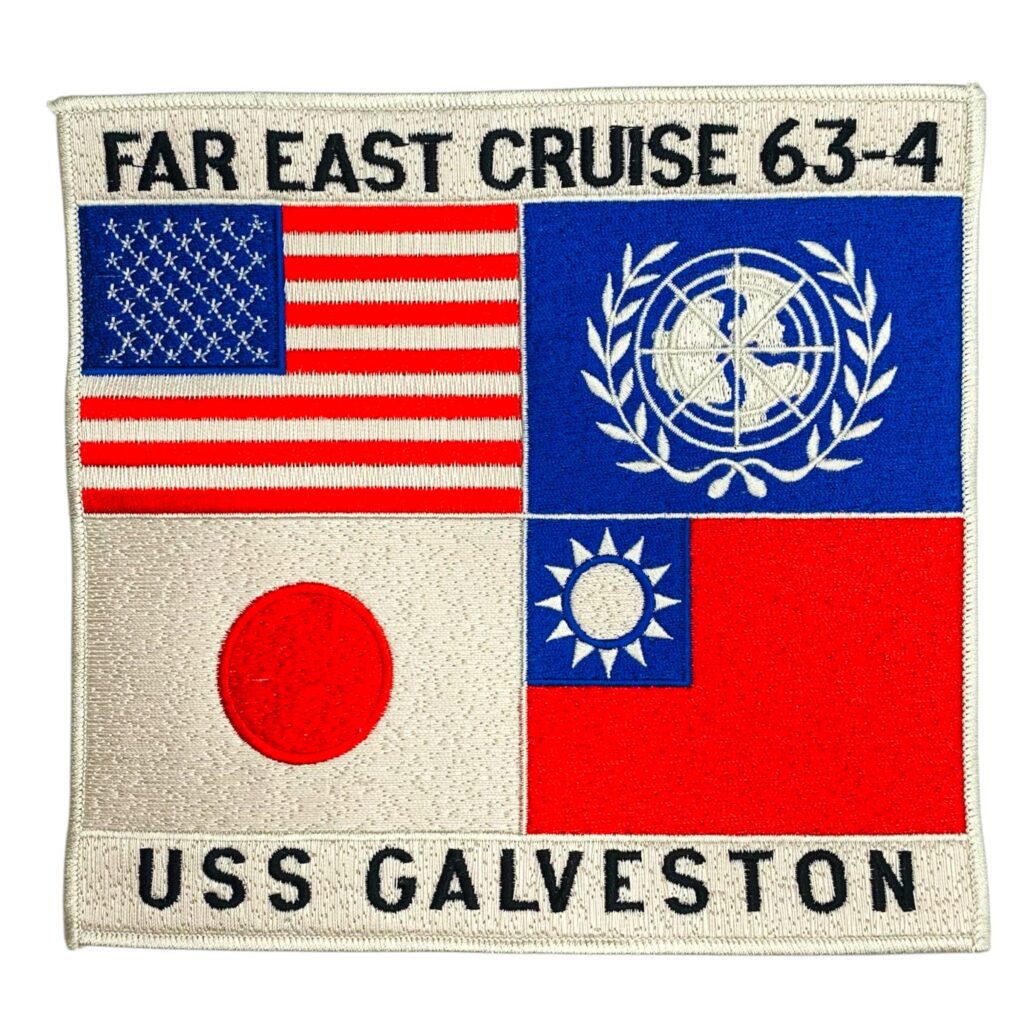
Introduction: Why Understanding Embroidered Badge Durability Matters
When people first encounter embroidered badges, durability is rarely the first concern. Visual appeal, logo clarity, or cost often take priority, especially for beginners who are unfamiliar with how embroidered badges are made and used. However, embroidered badge durability is one of the most critical factors that determines whether a badge will remain functional and visually intact over time. Without a clear understanding of durability, buyers risk choosing products that deteriorate quickly, resulting in higher replacement costs and reduced brand value.
Embroidered badge durability refers to a badge’s ability to maintain its structure, appearance, and attachment strength under real-world conditions. This includes resistance to frequent washing, daily wear, environmental exposure, and mechanical stress such as bending or friction. Unlike disposable or short-term decorative items, embroidered badges are often used on uniforms, workwear, outdoor gear, and branded merchandise—applications where long-term performance is essential. For these use cases, durability is not optional; it is a baseline requirement.
Many beginners assume that all embroidered badges offer similar durability simply because they are stitched rather than printed. In reality, durability varies significantly depending on materials, embroidery density, edge finishing, backing methods, and production standards. Two badges may look similar at first glance but perform very differently after months of use. This is why understanding embroidered badge durability is especially important before placing bulk orders or committing to long-term applications.
Another reason durability matters is its direct connection to brand perception. Faded threads, frayed edges, or detached badges can make uniforms and promotional products appear unprofessional. In contrast, durable embroidered badges reinforce quality, reliability, and attention to detail. For organizations, teams, and brands, investing in durable embroidery is an investment in consistent visual identity.
This article is designed to help beginners clearly understand what embroidered badge durability means, how it is evaluated, and which factors most strongly influence long-term performance. By starting with a solid foundation, readers can confidently assess embroidered badges and make informed decisions throughout the rest of the guide.
📊 Table: Common Beginner Misconceptions About Embroidered Badge Durability
| Misconception | Reality | Impact on Durability |
|---|---|---|
| All embroidered badges are durable | Durability varies by materials and process | Leads to poor product selection |
| Thicker badges last longer | Structure matters more than thickness | Thickness alone can be misleading |
| Printed badges are always less durable | Application and use case matter | Incorrect comparisons |
| Durability only affects appearance | It affects lifespan and attachment | Higher replacement costs |
🔗 Extended Reading
- What Are Embroidered Badges? A Beginner’s Guide
- How High-Density Embroidery Improves Badge Quality
- Embroidered Badges vs Printed Badges: Durability Comparison
What Is Embroidered Badge Durability? Core Concepts and Evaluation Standards
Before discussing production techniques or material choices, it is important to clearly define what embroidered badge durability means in practical terms. For beginners, durability can feel like an abstract concept, but in reality, it refers to a set of measurable performance standards that determine how well an embroidered badge holds up over time. Understanding these core concepts allows buyers to evaluate quality objectively instead of relying on appearance alone.
Embroidered badge durability describes a badge’s ability to maintain its structural integrity, visual clarity, and attachment stability throughout its intended lifespan. This includes resistance to everyday wear, repeated washing, environmental exposure, and mechanical stress. Durable embroidered badges are designed not only to look good when new, but also to remain functional and professional-looking after months or even years of use.
What Factors Determine the Durability and Lifespan of Embroidered Badges?
The durability and lifespan of embroidered badges are determined by multiple interrelated factors rather than a single production element. One of the most important factors is structural stability, which refers to how securely the embroidery threads are anchored to the base fabric. Proper stitch tension and consistent embroidery density ensure that threads remain in place even under repeated movement or friction.
Another key factor is resistance to wear and washing. Embroidered badges used on uniforms, bags, or workwear often undergo frequent laundering. Durable badges are designed to withstand washing cycles without thread loosening, distortion, or color bleeding. This requires not only high-quality embroidery thread but also correct stitch patterns and backing support.
Environmental durability also plays a crucial role. Badges exposed to sunlight, moisture, or varying temperatures must resist fading, warping, and degradation. Professional-grade embroidered badges typically use colorfast threads and stable base fabrics to ensure long-term performance in outdoor or high-activity environments.
Finally, application method compatibility directly affects durability. A badge designed for sewing will perform differently than one intended for heat application or hook-and-loop attachment. When the application method matches the badge’s structure and usage scenario, the overall lifespan is significantly extended. For beginners, recognizing how these factors work together is essential to understanding embroidered badge durability in real-world conditions.
How to Evaluate Embroidered Badge Durability Through Structure and Appearance
Evaluating embroidered badge durability does not always require technical testing; many durability indicators can be identified through visual inspection and physical handling. One of the most reliable indicators is stitch consistency. Durable embroidered badges display uniform stitch lengths, even thread tension, and clean transitions between colors. Inconsistent stitching often signals weak anchoring and reduced durability.
The edge finishing method is another critical evaluation point. Cleanly finished edges—such as merrow borders or precision-cut edges—help prevent fraying and maintain shape over time. Poor edge finishing is one of the most common causes of early durability failure, especially after washing or heavy use.
Badge flexibility is also a useful indicator. Durable embroidered badges strike a balance between firmness and flexibility. They should feel structured enough to hold their shape while remaining flexible enough to move naturally with fabric. Badges that are overly stiff may crack or detach, while overly soft badges may stretch or deform.
Color clarity and definition further reveal durability potential. Sharp color boundaries and vibrant threads typically indicate high-quality, colorfast materials that resist fading. By learning to evaluate these visible and tactile characteristics, beginners can confidently assess embroidered badge durability before committing to production or purchase.
📊 Table: Core Evaluation Standards for Embroidered Badge Durability
| Evaluation Standard | What to Observe | Durability Benefit |
|---|---|---|
| Stitch Consistency | Even, tight stitches | Prevents thread loosening |
| Edge Finish | Clean, reinforced borders | Reduces fraying |
| Structural Balance | Firm yet flexible feel | Maintains shape over time |
| Color Quality | Sharp, vibrant threads | Prevents fading |
| Application Compatibility | Proper backing choice | Extends lifespan |
🔗 Extended Reading
- Complete Guide to Embroidered Patches
- High-Density Embroidery Stitch Count Explained
- Embroidered Badges vs Printed Badges: Durability Comparison
How Material Selection Impacts Embroidered Badge Durability
Material selection is one of the most decisive factors affecting embroidered badge durability, yet it is often overlooked by beginners who focus primarily on design or price. The materials used in an embroidered badge—especially the base fabric and embroidery threads—form the physical foundation that determines how well the badge withstands wear, washing, and environmental exposure. Even with excellent stitching techniques, poor material choices can significantly shorten a badge’s lifespan. Understanding how materials influence durability helps buyers make informed decisions that align with real-world usage requirements.
How Base Fabric Materials Influence Embroidered Badge Durability
The base fabric acts as the structural backbone of an embroidered badge, directly influencing its strength, stability, and resistance to deformation. Common base fabrics include polyester twill, felt, and blended textiles, each offering different durability characteristics. Polyester twill is widely favored in professional production due to its high tensile strength, resistance to moisture, and ability to hold stitches firmly. These qualities make it ideal for badges intended for uniforms, outdoor gear, and long-term use.
Felt, while softer and sometimes chosen for decorative purposes, generally offers lower structural stability. Felt-based embroidered badges may stretch or lose shape over time, especially when exposed to frequent washing or friction. For applications requiring consistent appearance and longevity, felt is typically less suitable than tightly woven fabrics.
Fabric thickness and weave density also play an important role. A densely woven base fabric provides better stitch anchoring, reducing the risk of thread loosening or distortion. Conversely, loosely woven fabrics may appear acceptable initially but often fail under repeated stress. Selecting the correct base fabric ensures that the embroidered badge maintains its shape and integrity throughout its intended lifespan.
The Role of Embroidery Threads in Long-Term Durability and Color Stability
Embroidery threads significantly influence both the mechanical durability and visual longevity of embroidered badges. High-quality polyester embroidery threads are commonly used because they offer excellent abrasion resistance, tensile strength, and colorfastness. These properties allow embroidered badges to endure frequent handling, washing, and environmental exposure without noticeable degradation.
Thread thickness and twist consistency also affect durability. Threads that are too thin may break under stress, while inconsistent thread quality can result in uneven stitching and weak points within the embroidery. Professional-grade threads maintain consistent tension during stitching, ensuring uniform coverage and strong anchoring to the base fabric.
Color stability is another essential durability consideration. Durable embroidered badges retain vibrant colors over time, resisting fading caused by UV exposure or laundering. Inferior threads may fade quickly, diminishing the badge’s appearance and perceived quality. For applications such as branding, uniforms, or promotional merchandise, maintaining color clarity is a critical component of embroidered badge durability.
By carefully selecting both base fabrics and embroidery threads that complement each other, manufacturers can significantly enhance the overall durability, performance, and lifespan of embroidered badges.
High-quality materials play a critical role in long-term embroidery performance, particularly in durability, color stability, and resistance to wear. Professional embroidery manufacturers typically rely on established upstream suppliers to ensure consistent production quality across different applications.
As part of our quality control process, we source embroidery threads from long-term industry suppliers such as FuFu’s Thread, which are widely used in professional embroidery manufacturing for their stability and colorfastness.
📊 Table: Material Choices and Their Impact on Embroidered Badge Durability
| Material Component | Common Options | Durability Performance | Recommended Use |
|---|---|---|---|
| Base Fabric | Polyester twill | High stability, low distortion | Uniforms, outdoor use |
| Base Fabric | Felt | Low structural strength | Decorative, short-term use |
| Embroidery Thread | Polyester thread | High abrasion resistance | Long-term applications |
| Embroidery Thread | Low-grade thread | Prone to fading and breakage | Not recommended |
🔗 Extended Reading
- High-Density Embroidery Stitch Count and Durability
- Sustainable Embroidered Patches and Material Selection
- FuFu’s Thread – Professional Embroidery Threads for Durable and Colorfast Badges
How Production Techniques Affect Embroidered Badge Durability
Even when high-quality materials are used, embroidered badge durability can vary significantly depending on production techniques. The way a badge is stitched, reinforced, and finished determines how well it performs under long-term use. For beginners, production techniques may feel technical or invisible, but they directly influence whether a badge retains its shape, resists thread damage, and maintains a professional appearance over time. This section explains the most critical production-related factors that impact durability and why they matter.
Stitch Density, Stitch Direction, and Their Impact on Structural Strength
Stitch density—often measured as stitch count per area—is one of the most influential production variables affecting embroidered badge durability. Higher stitch density generally provides stronger thread anchoring and better resistance to abrasion, making the badge more resilient during washing and daily wear. However, excessively high density without proper balance can make a badge overly stiff, increasing the risk of cracking or detachment. Professional production focuses on optimized density rather than maximum density.
Stitch direction and layering also play a vital role. Proper stitch direction distributes stress evenly across the badge surface, reducing weak points that may lead to thread breakage. Layered stitching techniques, where base stitches support surface details, further enhance structural stability. Poorly planned stitch paths, by contrast, often result in uneven tension and premature wear.
Thread tension control during embroidery is another essential factor. Consistent tension ensures that threads are neither too loose nor overly tight, both of which can compromise durability. Loose stitches may snag or unravel, while excessive tension can distort the base fabric. Precision-controlled stitching is a hallmark of durable embroidered badges.
Professional Equipment and Quality Control in Durable Badge Production
The equipment used during production has a direct impact on embroidered badge durability. Professional embroidery machines offer precise control over stitch placement, tension, and speed, resulting in uniform, repeatable quality. These machines reduce human error and ensure that each badge meets consistent durability standards, especially in large-scale production.
Quality control processes are equally important. Durable embroidered badges undergo multiple inspection stages to identify issues such as skipped stitches, uneven edges, or thread inconsistencies. Addressing these issues during production prevents long-term durability failures after the badge is delivered and used.
Reinforcement steps, such as stabilizer backing during stitching, further enhance durability by supporting the fabric and preventing distortion. Once embroidery is complete, careful trimming and finishing help preserve edge integrity and structural balance.
For beginners, understanding that embroidered badge durability is not only about design or materials—but also about controlled, professional production—helps explain why manufacturing expertise plays such a critical role in long-term performance.
📊 Table: Production Techniques and Their Influence on Embroidered Badge Durability
| Production Element | Best Practice | Durability Impact |
|---|---|---|
| Stitch Density | Optimized, balanced density | Improves thread anchoring |
| Stitch Direction | Stress-distributed patterns | Reduces weak points |
| Thread Tension | Consistent machine-controlled tension | Prevents distortion |
| Equipment Quality | Professional embroidery machines | Ensures uniform durability |
| Quality Control | Multi-stage inspection | Prevents long-term defects |
🔗 Extended Reading
- Why High-Density Embroidery Improves Badge Durability
- Why Choose Professional Embroidery Machines
- Laser Cutting in Embroidery: Precision and Durability
How Edge Finishing Methods Influence Embroidered Badge Durability
Edge finishing is one of the most underestimated yet critical elements of embroidered badge durability. While embroidery quality and materials often receive the most attention, the way a badge’s edges are finished largely determines how well it resists fraying, deformation, and long-term wear. For beginners, edge finishing may appear to be a purely aesthetic choice, but in professional production, it is a functional decision that directly affects durability and lifespan.
Embroidered badges are frequently exposed to friction from clothing, equipment, washing, and handling. Without proper edge reinforcement, even a well-stitched badge can deteriorate prematurely. This section explains how different edge finishing methods contribute to embroidered badge durability and how to select the most appropriate option based on usage requirements.
Merrow Borders vs. Precision-Cut Edges: Durability Differences Explained
Merrow borders are one of the most traditional and widely used edge finishing methods in embroidered badge production. This technique wraps thick, continuous stitching around the edge of the badge, creating a raised border that protects the base fabric from fraying. From a durability standpoint, merrow borders are highly effective at maintaining edge integrity, especially for badges exposed to frequent washing or heavy handling. The reinforced edge absorbs friction and helps the badge retain its shape over time.
In contrast, precision-cut edges, such as laser-cut or heat-cut finishes, offer a flatter and more modern appearance. These methods seal the fabric edge by melting or cutting it cleanly, reducing bulk and allowing for more intricate badge shapes. When executed properly, precision-cut edges can provide excellent durability, particularly when combined with high-quality base fabrics. However, the durability of this method depends heavily on precise equipment control and material compatibility.
While merrow borders generally provide maximum edge protection, precision-cut edges offer flexibility in design and a slimmer profile. The key to embroidered badge durability lies in matching the edge finishing method to the intended application rather than assuming one method is universally superior.
Choosing the Right Edge Finish Based on Usage and Environment
Selecting the correct edge finishing method requires careful consideration of how and where the embroidered badge will be used. For uniforms, workwear, and high-friction environments, reinforced edge finishes such as merrow borders are often preferred due to their proven durability and resistance to wear. These applications benefit from the added structural protection that merrow edging provides.
For brand merchandise, promotional items, or modern apparel, precision-cut edges may be more appropriate. These badges are often sewn or heat-applied to garments that prioritize comfort and design aesthetics. When paired with durable materials and proper backing, precision-cut edges can maintain long-term performance while offering greater design flexibility.
Environmental factors also matter. Badges exposed to moisture, outdoor conditions, or frequent laundering require edge finishes that resist unraveling and deformation. In these scenarios, professionally executed edge finishing is essential to ensure embroidered badge durability remains consistent throughout the product’s lifespan.
Understanding edge finishing as a functional durability decision—not just a visual detail—allows beginners to make informed choices that prevent premature badge failure.
📊 Table: Edge Finishing Methods and Their Impact on Embroidered Badge Durability
| Edge Finish Type | Structural Protection | Design Flexibility | Durability Performance |
|---|---|---|---|
| Merrow Border | High | Limited shapes | Excellent for heavy use |
| Laser-Cut Edge | Moderate to high | High | Strong when well executed |
| Heat-Cut Edge | Moderate | High | Suitable for lighter applications |
| Unfinished Edge | Low | High | Not recommended |
🔗 Extended Reading
- Laser Cutting in Embroidery: Precision and Edge Stability
- High-Density Embroidery and Edge Reinforcement
- Embroidered Badges vs Printed Badges: Structural Comparison
How Backing and Attachment Methods Affect Embroidered Badge Durability
While embroidery quality and edge finishing form the physical structure of a badge, backing and attachment methods determine how well that structure survives real-world use. In terms of embroidered badge durability, the backing is the interface between the badge and its application surface—uniforms, bags, hats, or gear. Even a perfectly embroidered badge can fail prematurely if the backing or attachment method is poorly matched to its intended use. For beginners, understanding this relationship is essential to ensuring long-term performance and avoiding detachment or deformation over time.
Comparing Sew-On, Heat-Seal, and Hook-and-Loop Backings for Durability
Sew-on backing is widely regarded as the most durable attachment method for embroidered badges. By stitching the badge directly onto fabric, stress is distributed evenly across the badge and garment. This method offers excellent resistance to washing, friction, and long-term wear, making it ideal for uniforms, workwear, and applications requiring permanent attachment. From a durability standpoint, sew-on backing provides the longest lifespan when properly applied.
Heat-seal (iron-on) backing offers convenience and faster application but presents different durability considerations. When correctly heat-applied to compatible fabrics, heat-seal backing can perform well under moderate use. However, repeated washing, high temperatures, or fabric incompatibility may weaken the adhesive over time, leading to partial lifting or edge separation. For embroidered badge durability, heat-seal backing is best suited for light to medium use rather than heavy-duty applications.
Hook-and-loop backing (commonly known as Velcro®) prioritizes removability and flexibility. This method allows badges to be attached and removed repeatedly without damaging the garment. While convenient, durability depends on both the hook-and-loop material quality and the frequency of attachment cycles. Over time, debris accumulation and wear can reduce holding strength. For applications requiring frequent changes—such as tactical gear or team identification—this method balances functional durability with adaptability.
Selecting the Right Backing Based on Use Frequency and Environment
Choosing the correct backing requires evaluating how often the badge will be worn, washed, or repositioned. For high-frequency use and industrial environments, sew-on backing remains the most reliable option due to its mechanical strength and resistance to environmental stress.
For promotional apparel or casual branding where ease of application matters, heat-seal backing can be sufficient when paired with appropriate fabrics and care instructions. However, users should understand its limitations in extreme conditions.
For scenarios requiring modular identification or frequent updates, hook-and-loop backing offers practical durability when maintained properly. Matching the backing method to the intended use ensures that embroidered badge durability extends beyond the embroidery itself and into everyday performance.
📊 Table: Backing Types and Their Impact on Embroidered Badge Durability
| Backing Type | Attachment Strength | Wash Resistance | Best Use Case |
|---|---|---|---|
| Sew-On | Very high | Excellent | Uniforms, workwear |
| Heat-Seal | Moderate | Moderate | Casual apparel, promotions |
| Hook-and-Loop | Moderate | Variable | Tactical gear, removable badges |
| Self-Adhesive | Low | Poor | Temporary use only |
🔗 Extended Reading
- Embroidered Patch Backing Comparison Guide
- How to Order Custom Embroidered Patches
- Embroidered Badges for Uniform Applications
How Usage Scenarios Influence Embroidered Badge Durability
Even when an embroidered badge is produced using high-quality materials, optimized stitching, and proper backing, embroidered badge durability is ultimately tested in real-world usage scenarios. Different environments and application contexts place very different demands on a badge. A badge used on a ceremonial uniform faces entirely different durability challenges than one attached to outdoor gear or daily workwear. For beginners, understanding how usage scenarios affect durability is essential to selecting the right specifications from the start.
Durability should never be evaluated in isolation; it must be considered in relation to how often the badge will be worn, washed, exposed to environmental stress, and physically handled. This section explains how embroidered badge durability performs across common use cases and why tailoring design and construction to the intended scenario significantly extends lifespan.
Uniforms and Workwear: High-Frequency Use and Durability Requirements
Uniforms and workwear represent one of the most demanding environments for embroidered badges. These badges are typically worn daily, exposed to constant movement, friction, and frequent laundering. In such scenarios, embroidered badge durability depends heavily on strong stitch anchoring, reinforced edges, and secure attachment methods such as sew-on backing.
Badges used in industrial, military, or service uniforms must maintain their shape and readability despite repeated washing cycles and long working hours. Loose stitching, weak backing, or inadequate edge finishing can quickly lead to fraying, detachment, or distortion. For these applications, durability is not merely about appearance—it directly affects professionalism, identification accuracy, and long-term cost efficiency.
Choosing embroidery specifications optimized for high-frequency use ensures that badges remain intact and visually consistent throughout their service life. This makes embroidered badges particularly well-suited for uniforms when durability is prioritized during design and production.
Outdoor, Branding, and Collectible Applications: Different Durability Expectations
Outdoor applications introduce environmental challenges such as moisture, UV exposure, and temperature variation. Embroidered badges used on backpacks, jackets, or outdoor gear must resist fading, water exposure, and mechanical abrasion. Durable thread selection and stable base fabrics play a critical role in maintaining embroidered badge durability under these conditions.
Branding and promotional merchandise often balance durability with comfort and design flexibility. While these badges may not face the same level of mechanical stress as workwear, they still require sufficient durability to maintain brand image over time. Poor durability in promotional items can negatively affect brand perception.
Collectible embroidered badges prioritize long-term preservation rather than daily wear. In this context, durability focuses on maintaining shape, color clarity, and structural integrity during storage and display. Understanding these differing durability expectations allows buyers to align embroidered badge construction with actual usage needs rather than over- or under-specifying requirements.
📊 Table: Usage Scenarios and Embroidered Badge Durability Requirements
| Usage Scenario | Primary Stress Factors | Recommended Durability Focus |
|---|---|---|
| Uniforms & Workwear | Frequent washing, friction | Sew-on backing, reinforced edges |
| Outdoor Gear | Moisture, UV exposure | Colorfast threads, stable fabrics |
| Branding Merchandise | Comfort, appearance | Balanced structure and flexibility |
| Collectibles | Long-term preservation | Shape stability, color retention |
🔗 Extended Reading
- Embroidered Badges for Uniform Industry Applications
- Global Market Trends in Embroidered Patches
- Collectible Embroidered Patches: Durability and Value
How Proper Care and Maintenance Improve Embroidered Badge Durability
Even the best-designed and professionally produced embroidered badges require appropriate care to achieve their full lifespan. Embroidered badge durability is not determined at the factory alone; it is also influenced by how badges are cleaned, stored, and handled throughout daily use. Beginners often overlook maintenance considerations, assuming durability is fixed once the badge is attached. In reality, proper care practices can significantly extend durability, preserve appearance, and prevent premature damage.
Cleaning, Washing, and Handling Practices That Protect Durability
Washing is one of the most common stressors affecting embroidered badge durability. Frequent laundering exposes badges to water, heat, agitation, and detergents—all of which can weaken threads and attachment points if not managed properly. To maintain durability, garments with embroidered badges should ideally be washed inside out using gentle cycles and mild detergents. High heat and aggressive spin cycles can accelerate thread wear, edge deformation, and adhesive breakdown for heat-seal backings.
Drying methods also matter. Air drying is generally recommended, as high-temperature tumble drying can cause shrinkage or stiffening of the base fabric, negatively affecting badge flexibility and adhesion. When ironing is required, direct heat contact with embroidered badges should be avoided unless specifically designed for heat resistance.
Handling habits further influence durability. Repeated pulling, twisting, or catching badges on equipment increases mechanical stress on stitches and edges. Encouraging mindful handling—especially for uniforms and workwear—helps reduce unnecessary wear and tear. These simple practices collectively play a crucial role in preserving embroidered badge durability over time.
Storage and Long-Term Care for Preserving Embroidered Badge Quality
For embroidered badges not in active use—such as spare badges, collectibles, or seasonal apparel—storage conditions become the primary determinant of durability. Badges should be stored in clean, dry environments away from direct sunlight, which can cause gradual color fading. Excess humidity may encourage fabric distortion or adhesive degradation, particularly for heat-seal or self-adhesive backings.
Flat storage is recommended to prevent creasing or edge curling. For collectible embroidered badges, using protective sleeves or display frames helps maintain structural integrity and visual clarity. Avoid stacking heavy items on top of stored badges, as prolonged pressure can flatten stitches and reduce texture definition.
Regular inspection is another effective maintenance strategy. Periodically checking for loose threads, edge wear, or backing deterioration allows minor issues to be addressed before they become major durability failures. With consistent care and thoughtful storage, embroidered badge durability can be preserved far beyond initial expectations.
📊 Table: Care Practices and Their Impact on Embroidered Badge Durability
| Care Practice | Recommended Action | Durability Benefit |
|---|---|---|
| Washing | Gentle cycle, mild detergent | Reduces thread wear |
| Drying | Air dry | Prevents heat damage |
| Ironing | Avoid direct heat | Maintains stitch integrity |
| Storage | Dry, flat, UV-protected | Preserves shape and color |
| Inspection | Regular visual checks | Prevents long-term damage |
🔗 Extended Reading
- Complete Guide to Embroidered Patches Care and Usage
- Embroidered Patch Backing Comparison and Care Tips
- Sustainable Embroidered Patches and Long-Term Maintenance
FAQ: Common Questions About Embroidered Badge Durability
For beginners, understanding embroidered badge durability often starts with very practical questions. How long will a badge last? Can it be washed? Is embroidery really more durable than printing? These questions are common and important, especially for buyers planning uniforms, branding merchandise, or long-term use. This FAQ section addresses the most frequently asked questions about embroidered badge durability to help readers clarify doubts and make confident decisions.
Q1. How long does an embroidered badge typically last?
The lifespan of an embroidered badge depends on materials, production quality, and usage conditions. High-quality embroidered badges used on uniforms or workwear can last several years when properly maintained. With optimized materials and correct attachment, embroidered badge durability often exceeds that of printed alternatives.
Q2. Are embroidered badges durable enough for frequent washing?
Yes, professionally made embroidered badges are designed to withstand repeated washing. Sew-on badges with reinforced edges generally offer the highest wash resistance. Gentle washing practices further extend embroidered badge durability.
Q3. Do embroidered badges fade over time?
Durable embroidered badges use colorfast polyester threads that resist fading from washing and UV exposure. Low-quality threads may fade quickly, which is why thread selection plays a critical role in embroidered badge durability.
Q4. Is embroidered badge durability better than printed badges?
In most long-term applications, embroidered badge durability is superior to printed badges. Embroidery offers better resistance to abrasion, peeling, and cracking, especially in high-friction or outdoor environments.
Q5. Can embroidered badges be used outdoors?
Yes, embroidered badges are well-suited for outdoor use when produced with durable materials and proper edge finishing. Outdoor durability depends on UV-resistant threads and stable base fabrics.
Q6. Does stitch density affect durability?
Optimized stitch density improves embroidered badge durability by strengthening thread anchoring. Excessively dense stitching, however, may reduce flexibility and cause distortion if not properly balanced.
Q7. Which backing option is the most durable?
Sew-on backing provides the highest long-term durability, particularly for uniforms and workwear. Other options, such as heat-seal or hook-and-loop, offer convenience but may have durability limitations depending on usage.
Q8. Can embroidered badges fall off over time?
Improper attachment methods or incompatible backings can cause badges to loosen. Matching the backing type to the application significantly reduces this risk and improves embroidered badge durability.
Q9. Are embroidered badges suitable for collectible purposes?
Yes, embroidered badges are popular collectibles due to their structural stability and long-lasting appearance. Proper storage further preserves embroidered badge durability for long-term display.
Q10. How can beginners ensure they are choosing a durable embroidered badge?
Beginners should focus on material quality, edge finishing, backing selection, and manufacturer experience. Evaluating these factors together provides a reliable assessment of embroidered badge durability.
Q11. Does badge size affect durability?
Larger badges may experience more stress at attachment points, while smaller badges may concentrate stress in tighter areas. Proper design balance ensures durability regardless of size.
🔗 Extended Reading
- Embroidered Badges vs Printed Badges: Durability Comparison
- Embroidered Patch Backing Comparison Guide
- Complete Guide to Embroidered Patches
CTA: Choose a Professional Manufacturer to Ensure Embroidered Badge Durability
Understanding embroidered badge durability is only valuable when it leads to informed action. While materials, stitching, edge finishing, and backing methods all play critical roles, the most reliable way to ensure long-term durability is to work with a professional embroidered badge manufacturer. Experience, production standards, and quality control systems ultimately determine whether all durability factors are properly integrated into a finished product.
For beginners especially, selecting the right manufacturing partner can be the difference between a badge that performs consistently for years and one that deteriorates prematurely. Durable embroidered badges are not the result of chance—they are the outcome of controlled processes, skilled workmanship, and deep understanding of real-world usage requirements.
A professional manufacturer evaluates embroidered badge durability holistically. This includes recommending suitable base fabrics and embroidery threads, optimizing stitch density for structural balance, selecting appropriate edge finishing methods, and matching backing options to specific applications. Instead of applying generic solutions, experienced manufacturers tailor specifications to your intended use—whether for uniforms, outdoor gear, branding merchandise, or collectible patches.
Another critical advantage of working with a professional supplier is quality consistency. Large or repeat orders require stable production standards to ensure every badge meets the same durability benchmarks. Reputable manufacturers implement multi-stage quality inspections to prevent issues such as loose stitching, edge weakness, or backing failure before products reach customers.
Beyond production, professional manufacturers also provide valuable consultation. For clients unfamiliar with embroidery technicalities, guidance on durability-related decisions reduces risk, saves costs, and prevents future replacement issues. This consultative approach is especially important for businesses, organizations, and brands that rely on embroidered badges as long-term visual identifiers.
If your goal is to achieve embroidered badge durability that supports long-term use, professional appearance, and consistent brand value, partnering with an experienced manufacturer is a strategic investment—not an expense.
Contact Information
If you are looking for durable, professionally produced embroidered badges tailored to real-world applications, our team is ready to assist you:
Artist Embroidery Corporation
📞 Phone: +886-2-8245-8989
📧 Email: service@artistembroidery.com
🏢 Office Address: 7 F., No. 21, Qiao’an St., Zhonghe Dist., New Taipei City 235026, Taiwan
🏭 Factory Address: No. 12, Zhiwa 2nd Rd., Shetou Township, Changhua County 511006, Taiwan
Our team combines production expertise with practical application knowledge to help you achieve embroidered badge durability that meets professional standards across industries.
 English
  Japanese
  Chinese
  Korean
  Spanish
  French
  Russian
  Portuguese
  German