
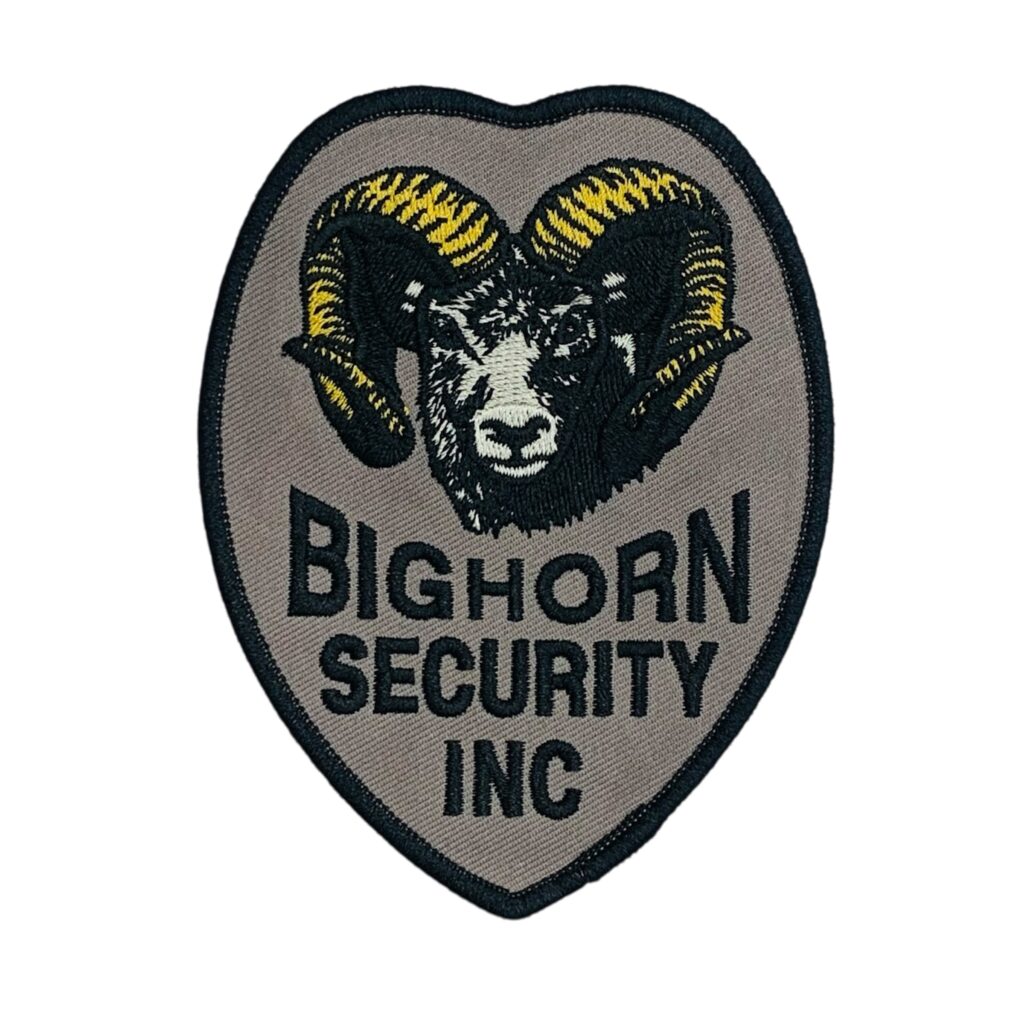
Vorwort: Warum gestickte Sicherheitsaufnäher für moderne Uniformsysteme unverzichtbar sind
In der heutigen stark strukturierten Sicherheits- und Facility-Management-Umgebung, gestickte Sicherheitsaufnäher sind nicht mehr nur dekorative Elemente - sie sind entscheidende Bestandteile eines standardisierten Identifikationssystems. Von Bürogebäuden und Wohnkomplexen bis hin zu Großveranstaltungen und staatlichen Einrichtungen muss das Sicherheitspersonal sofort erkennbar sein. Dies ist der Grund Individuell bestickte Sicherheitsaufnäher spielen eine entscheidende Rolle bei der Verbesserung der betrieblichen Effizienz und der Glaubwürdigkeit der Marke.
Im Gegensatz zu gedruckten Alternativen, gestickte Sicherheitsaufnäher bieten hervorragende Haltbarkeit, Textur und ein hochwertiges Aussehen, das Professionalität widerspiegelt. Für Unternehmen, die mehrere Teams, Standorte oder Abteilungen verwalten, fungieren diese Aufnäher als visuelles Hierarchiesystem, das hilft, Rollen, Ränge und Verantwortlichkeiten zu unterscheiden. Dies ist besonders wichtig in Hochsicherheitsumgebungen, wo eine falsche Identifizierung zu Betriebsrisiken führen kann.
Aus Sicht der Beschaffung sind Investitionen in Sicherheitsaufnäher OEM-Herstellung geht es nicht nur um die Beschaffung eines Produkts, sondern um den Aufbau einer konsistenten und skalierbaren einheitlichen Lösung. Ein gut gestalteter Aufnäher sorgt für eine einheitliche Markendarstellung bei allen Mitarbeitern und stärkt gleichzeitig das Vertrauen von Kunden, Besuchern und Interessengruppen. Zum Beispiel kann ein deutlich sichtbares Sicherheitsabzeichen mit einem Firmenlogo und einer Rollenbezeichnung kann sofort Autorität und Zuverlässigkeit signalisieren.
Darüber hinaus ist mit dem Aufkommen von Herstellung von bestickten Abzeichen nach Maß, haben Unternehmen heute mehr Flexibilität denn je in Bezug auf Größe, Form, Trägeroptionen (wie Klettverschluss oder Aufbügeln) und Sticktechniken. So können Unternehmen ihre Aufnäher an spezifische betriebliche Anforderungen anpassen und gleichzeitig eine einheitliche visuelle Identität wahren.
Dieser Leitfaden soll ein umfassendes Verständnis vermitteln für gestickte Sicherheitsaufnäher, Dieser Artikel behandelt alles von Anwendungsszenarien und Designstandards bis hin zu OEM-Herstellungsverfahren und Beschaffungsstrategien. Ob Sie nun Facility Manager, Beschaffungsspezialist oder Markenentscheider sind, dieser Artikel wird Ihnen helfen, fundierte Entscheidungen bei der Beschaffung hochwertiger Produkte zu treffen. bestickte Sicherheitsaufnäher für Uniformen.
Was sind bestickte Sicherheitsaufnäher? Von der Identifikationsfunktion zum Markenwert
Bevor man sich mit der Herstellung und Beschaffung befasst, muss man sich klar machen, was gestickte Sicherheitsaufnäher sind und warum sie in vielen Branchen verwendet werden. Bei diesen Aufnähern handelt es sich um speziell entworfene Textilabzeichen, die in der Regel mit hochverdichteten Sticktechniken hergestellt werden und auf Uniformen angebracht werden, um eine eindeutige visuelle Identifizierung des Sicherheitspersonals zu ermöglichen. Ihre Rolle geht jedoch weit über eine einfache Kennzeichnung hinaus - sie sind ein wichtiger Bestandteil des operativen Systems und der Markenidentität eines Unternehmens.
Aus struktureller Sicht ist eine gestickter Sicherheitsaufnäher besteht in der Regel aus drei Hauptelementen: dem Grundstoff (in der Regel Polyester oder Köper), der gestickten Fadenschicht, die das Design bildet, und dem Trägersystem (z. B. Klettverschluss, Aufbügelkleber oder Aufnäher). Jedes dieser Elemente trägt zur Haltbarkeit, zum Aussehen und zur Verwendbarkeit des Endprodukts bei. Im Vergleich zu gedruckten Abzeichen, gestickte Sicherheitsaufnäher bieten eine dreidimensionale Textur und eine höhere Verschleißfestigkeit, wodurch sie sich ideal für den langfristigen, einheitlichen Einsatz eignen.
Grundlegende Struktur von gestickten Sicherheitsaufnähern
Verstehen der Konstruktion von Individuell bestickte Sicherheitsaufnäher ist entscheidend, um fundierte Beschaffungsentscheidungen zu treffen. Der Grundstoff bestimmt die Stabilität und Formbeständigkeit des Aufnähers, während sich die Stickdichte direkt auf die Klarheit von Logos, Text und Abzeichen auswirkt. Eine hohe Stickdichte wird häufig für Firmenlogos oder Rangabzeichen verwendet, um sicherzustellen, dass der Aufnäher auch nach wiederholtem Waschen und nach der Einwirkung von Witterungseinflüssen sein professionelles Aussehen beibehält.
Ein weiterer wichtiger Faktor ist die Technik der Kantenbearbeitung. Optionen wie Merrowed-Bordüren (umgenähte Kanten) oder lasergeschnittene Kanten beeinflussen sowohl die Ästhetik als auch die Haltbarkeit. So werden z. B. Merrow-Ränder üblicherweise für traditionelle einheitliche Aufnäher verwendet, während lasergeschnittene Kanten für komplexe Formen und moderne Designs bevorzugt werden.
📊 Tabelle: Hauptbestandteile von bestickten Sicherheitsaufnähern
| Komponente | Beschreibung | Auswirkungen auf die Qualität |
|---|---|---|
| Grundgewebe | Rücken aus Twill oder Polyester | Bestimmt Struktur und Haltbarkeit |
| Stickereifaden | Hohe Dichte der Nähte | Beeinträchtigt Klarheit und Textur von Details |
| Kantenbearbeitung | Merrow-Bordüre oder Laserschnitt | Beeinflusst Aussehen und Lebenserwartung |
| Unterlage Typ | Klettverschluss / Aufbügeln / Aufnähen | Definiert die Anwendungsflexibilität |
Die Rolle einheitlicher Sicherheitsabzeichen in der Unternehmensverwaltung
In modernen Organisationen, Sicherheitsuniformabzeichen dienen nicht nur der Identifizierung, sondern auch der internen Verwaltung und der betrieblichen Effizienz. Durch die Integration von rollenbasierten Designs - wie z. B. “Supervisor”, “Security” oder abteilungsspezifische Abzeichen - können Unternehmen schnell zwischen Mitarbeitern in verschiedenen Rollen unterscheiden. Dies ist besonders wertvoll in großen Einrichtungen oder bei Einsätzen an mehreren Standorten, wo eine klare visuelle Kommunikation entscheidend ist.
Außerdem sind standardisierte gestickte Sicherheitsaufnäher helfen, die Einhaltung der Uniform durchzusetzen. Wenn jedes Teammitglied ein einheitliches Aufnäherdesign trägt, wird die Disziplin gestärkt und ein einheitliches Unternehmensbild geschaffen. Dies ist besonders wichtig für Unternehmen, die großen Wert auf die Präsentation ihrer Marke legen, da Uniformen oft der erste Kontaktpunkt zwischen Mitarbeitern und Kunden sind.
Wie gestickte Aufnäher das professionelle Image und Vertrauen verbessern
Einer der meist übersehenen Vorteile von gestickte Sicherheitsaufnäher ist ihre Wirkung auf die Wahrnehmung. Ein gut gestalteter Aufnäher vermittelt sofort Autorität, Professionalität und Zuverlässigkeit. Im Vergleich zu gedruckten Alternativen vermitteln gestickte Aufnäher ein höheres Maß an Qualität, was sich positiv darauf auswirken kann, wie Kunden und die Öffentlichkeit Ihre Organisation wahrnehmen.
Aus Sicht der Markenbildung ist die Einbeziehung von Firmenlogos in benutzerdefinierte Sicherheitspatches sorgt für visuelle Konsistenz bei allen Mitarbeitern. Dies stärkt nicht nur den Wiedererkennungswert der Marke, sondern schafft auch langfristiges Vertrauen. In Umgebungen wie Geschäftsgebäuden, Hotels oder Veranstaltungsorten ist eine klar erkennbare und professionell gestaltete Sicherheitsaufnäher für Uniformen beruhigt die Besucher, dass Sicherheitsmaßnahmen getroffen werden.
🔗 Erweiterte Lektüre
- Wie gestickte Aufnäher den Wiedererkennungswert einer Marke steigern
- Vollständiger Leitfaden für gestickte Aufnäher
Wichtige Anwendungsszenarien für gestickte Sicherheitsaufnäher in verschiedenen Branchen
Um den Wert von gestickte Sicherheitsaufnäher, ist es wichtig zu untersuchen, wie sie in verschiedenen Branchen und Betriebsumgebungen eingesetzt werden. Während viele Menschen diese Aufnäher nur mit der grundlegenden Identifizierung in Verbindung bringen, ist es in Wirklichkeit so, Individuell bestickte Sicherheitsaufnäher dienen mehreren Funktionen, darunter Rollendifferenzierung, Markensichtbarkeit, Zugangskontrolle und betriebliche Effizienz. Für die Beschaffungsteams in Unternehmen hängt die Auswahl des richtigen Patch-Designs und der Spezifikationen stark vom jeweiligen Anwendungsfall ab.
In Branchen, in denen das Sicherheitspersonal in dynamischen und gut sichtbaren Umgebungen arbeitet, ist der Bedarf an dauerhaften, erkennbaren und standardisierten Sicherheitsuniformabzeichen wird immer wichtiger. Ob für langfristige Uniformsysteme oder vorübergehende Einsätze, gestickte Aufnäher bieten eine skalierbare Lösung, die Professionalität und Zweckmäßigkeit in Einklang bringt.
Immobilienverwaltung und Sicherheitssysteme für Wohngebäude Uniforme Systeme
In Wohngemeinschaften, Bürogebäuden und gemischt genutzten Gebäuden, gestickte Sicherheitsaufnäher sind ein wesentlicher Bestandteil des Uniformierungssystems. Das Sicherheitspersonal ist häufig die erste Anlaufstelle für Bewohner und Besucher, so dass eine visuelle Identifizierung unerlässlich ist. Eine klar gestaltete Sicherheitsaufnäher für Uniformen hilft den Bewohnern, autorisiertes Personal schnell zu erkennen, was sowohl das Vertrauen als auch die Reaktionsfähigkeit verbessert.
Darüber hinaus sind Immobilienverwaltungsunternehmen oft an mehreren Standorten tätig, die jeweils ein einheitliches Branding erfordern. Durch die Verwendung standardisierter Individuell bestickte Sicherheitsaufnäher, können Unternehmen eine einheitliche Identität über alle Standorte hinweg sicherstellen und gleichzeitig kleinere Anpassungen wie Standortnamen oder Zonenkennungen zulassen.
Unternehmenssicherheit und Einsatz in kommerziellen Einrichtungen
Für Firmenbüros, Einkaufszentren und Industrieanlagen, gestickte Sicherheitsaufnäher spielen eine entscheidende Rolle bei internen Vorgängen. In diesen Umgebungen sind die Sicherheitsteams oft in verschiedene Rollen unterteilt, z. B. Zugangskontrolle, Patrouille und Aufsichtspositionen. Mit differenzierten gestickte Sicherheitsaufnäher ermöglicht eine schnelle visuelle Erkennung von Autoritätsebenen und Verantwortlichkeiten.
Vom Standpunkt der Beschaffung aus gesehen, benötigen Unternehmen oft eine Massenproduktion von sicherheitsgestickte Aufnäher OEM, Dadurch wird die Konsistenz in großen Teams gewährleistet. Auch die Haltbarkeit ist ein wichtiger Faktor, denn die Aufnäher müssen dem täglichen Verschleiß, häufigem Waschen und verschiedenen Umweltbedingungen standhalten.
Sicherheit bei Veranstaltungen und Identifizierung von Zeitarbeitskräften
Großveranstaltungen wie Ausstellungen, Konzerte und Konferenzen erfordern temporäre Sicherheitsteams. In diesen Szenarien, Individuell bestickte Sicherheitsaufnäher bieten eine flexible und professionelle Identifikationslösung. Im Vergleich zu gedruckten Abzeichen bieten gestickte Aufnäher ein haltbareres und hochwertigeres Erscheinungsbild, was besonders bei hochkarätigen Veranstaltungen wichtig ist.
Darüber hinaus lassen sich die Aufnäher dank abnehmbarer Rückseiten (z. B. Klettverschluss) leicht anbringen und abnehmen, so dass Unternehmen ihre Uniformen wiederverwenden und die Kennzeichnung für verschiedene Veranstaltungen aktualisieren können. Dies senkt die langfristigen Kosten und erhöht die betriebliche Flexibilität.
Staatliche, institutionelle und spezialisierte Sicherheitseinheiten
In Regierungseinrichtungen, Verkehrsknotenpunkten und spezialisierten Sicherheitseinheiten, gestickte Sicherheitsaufnäher werden häufig zur Kennzeichnung von Dienstgrad, Abteilung oder Autoritätsebene verwendet. Diese Abzeichen müssen strenge Design- und Haltbarkeitsstandards erfüllen, da sie in Umgebungen mit hoher Verantwortung verwendet werden.
Hochdichte Stickereien, präzise Details und robuste Rückensysteme sind entscheidend für ein dauerhaft professionelles Erscheinungsbild. Bei solchen Anwendungen ist die Investition in hochwertige Gestickte OEM-Sicherheitsaufnäher gewährleistet eine langfristige Leistung und die Einhaltung der einheitlichen Vorschriften.
📊 Tabelle: Übersicht der Anwendungsszenarien für gestickte Sicherheitsaufnäher
| Anwendungsszenario | Patch-Platzierung | Primäre Funktion | Design-Schwerpunkt |
|---|---|---|---|
| Verwaltung von Immobilien | Brust / Ärmel | Identifizierung des Personals | Klares Logo, lesbarer Text |
| Unternehmenssicherheit | Brust/Arm | Rollendifferenzierung | Rangindikatoren, Farbkodierung |
| Sicherheit der Veranstaltung | Abnehmbarer Bereich | Vorläufige Identifizierung | Klettverschluss auf der Rückseite, auffälliges Design |
| Regierung/Institutionen | Arm/Schulter | Behörde und Klassifizierung | Präzisionsstickerei, Langlebigkeit |
🔗 Erweiterte Lektüre
- Bestickte Aufnäher für die Uniformindustrie
- Leitfaden für gestickte Abzeichen für Militär, Polizei und Feuerwehren
Bestickte Sicherheitsaufnäher vs. bedruckte Aufnäher: Was ist besser für Ihr Unternehmen?
Bei der Auswahl der am besten geeigneten Kennzeichnungslösung für Uniformen stehen viele Beschaffungsteams vor der Frage, ob sie sich für gestickte Sicherheitsaufnäher oder bedruckte Aufnäher? Beide Optionen erfüllen zwar den Zweck der Identifizierung, unterscheiden sich jedoch erheblich in Bezug auf Haltbarkeit, optische Wirkung, Kostenstruktur und langfristigen Wert. Das Verständnis dieser Unterschiede ist entscheidend für die richtige Investition, insbesondere für Organisationen, die einheitliche und professionelle Uniformsysteme benötigen.
Aus der Perspektive der strategischen Beschaffung, Gestickte Sicherheitsaufnäher OEM-Herstellung wird aufgrund seiner überlegenen Haltbarkeit und seines hochwertigen Aussehens häufig für langfristige Anwendungen bevorzugt. Andererseits sind bedruckte Aufnäher möglicherweise besser für kurzfristige oder budgetabhängige Anwendungen geeignet. Die Entscheidung hängt letztlich davon ab, wie die Aufnäher verwendet werden sollen, wie oft die Uniformen getragen und gewaschen werden und welches Markenimage das Unternehmen vermitteln möchte.
Hauptunterschiede zwischen gestickten und gedruckten Sicherheitsaufnähern
Der auffälligste Unterschied zwischen gestickte Sicherheitsaufnäher und gedruckten Aufnähern liegt in ihrer Konstruktion. Gestickte Aufnäher werden durch das Aufnähen von Fäden auf eine Stoffunterlage hergestellt, wodurch eine strukturierte, dreidimensionale Oberfläche entsteht. Dies verleiht ihnen eine hochwertige, taktile Haptik, die in professionellen Umgebungen sehr geschätzt wird.
Im Gegensatz dazu werden bei gedruckten Aufnähern die Motive mit Tinte oder durch Farbstoffsublimation auf den Stoff aufgebracht. Dies ermöglicht zwar komplexere Farbverläufe und fotografische Details, hat aber nicht die Tiefe und Haltbarkeit einer Stickerei. Mit der Zeit können gedruckte Motive verblassen oder sich abnutzen, vor allem bei starker Beanspruchung wie bei Sicherheitsuniformen.
Vergleich von Dauerhaftigkeit, Kosten und visueller Wirkung
Für Unternehmen, die Wert auf langfristige Leistung legen, Individuell bestickte Sicherheitsaufnäher bieten klare Vorteile. Sie sind wasch- und abriebfest und widerstandsfähig gegen Umwelteinflüsse, was sie ideal für den täglichen Gebrauch macht. Obwohl die anfänglichen Kosten pro Einheit etwas höher sind als bei gedruckten Aufnähern, führt die längere Lebensdauer häufig zu niedrigeren Gesamterneuerungskosten.
Gedruckte Aufnäher hingegen sind in der Regel kostengünstiger und eignen sich für zeitlich begrenzte Anwendungen wie Veranstaltungen oder Werbekampagnen. Optisch können sie komplizierte Designs leichter reproduzieren, aber sie vermitteln möglicherweise nicht den gleichen Grad an Professionalität wie gestickte Aufnäher.
📊 Tabelle: Vergleich zwischen gestickten und gedruckten Sicherheitsaufnähern
| Kriterien | Bestickte Aufnäher | Bedruckte Aufnäher |
|---|---|---|
| Erscheinungsbild | 3D-Textur, hochwertiges Aussehen | Flache Oberfläche, hohe Farbgenauigkeit |
| Dauerhaftigkeit | Hoch (verschleißfest und waschbeständig) | Mittel bis gering (kann mit der Zeit verblassen) |
| Kosten | Mittel (besserer langfristiger Wert) | Gering (kurzfristige Verwendung) |
| Bester Anwendungsfall | Langfristige Uniformen | Zeitlich befristete Veranstaltungen oder Werbeaktionen |
| Markenwahrnehmung | Professionell und verbindlich | Lässig oder werblich |
Auswahl der richtigen Option auf der Grundlage der Anwendungsbedürfnisse
Die Wahl zwischen gestickte Sicherheitsaufnäher und gedruckten Aufnähern sollte sich an den spezifischen betrieblichen Anforderungen orientieren. Für Organisationen, die ständige Sicherheitsteams verwalten, gewährleistet die Investition in gestickte Abzeichen Konsistenz, Haltbarkeit und ein starkes professionelles Image. Dies ist besonders wichtig für Unternehmen, die häufig mit Kunden oder der Öffentlichkeit interagieren, wo der erste Eindruck zählt.
Für kurzfristige Einsätze, z. B. auf Messen oder bei vorübergehendem Personaleinsatz, können gedruckte Patches eine kostengünstige Alternative darstellen. Aber selbst in diesen Fällen bevorzugen viele Organisationen immer noch gestickte Sicherheitsaufnäher mit Klettverschluss auf der Rückseite wegen ihrer Wiederverwendbarkeit und ihres besseren Aussehens.
Letztlich für Unternehmen, die ein zuverlässiges und professionelles einheitliches System aufbauen wollen, Gestickte OEM-Sicherheitsaufnäher sind nach wie vor die bevorzugte Wahl. Sie erfüllen nicht nur funktionale Anforderungen, sondern stärken auch die Markenidentität und das Vertrauen - zwei entscheidende Faktoren in der Sicherheitsbranche.
🔗 Erweiterte Lektüre
- Vergleich zwischen gestickten und gedruckten Abzeichen
- Leitfaden für die Haltbarkeit von gestickten Abzeichen
Designstandards und Größenrichtlinien für gestickte Sicherheitsabzeichen
Bevor es an die Produktion geht, ist die Festlegung klarer Designstandards einer der wichtigsten Schritte bei der Gestickte Sicherheitsaufnäher OEM-Herstellung. Ein gut gestalteter Aufnäher ist nicht nur optisch ansprechend, sondern gewährleistet auch Funktionalität, Lesbarkeit und langfristige Nutzbarkeit. Für Beschaffungsteams in Unternehmen ist es wichtig, die Grundlagen der Individuelles gesticktes Sicherheitsaufnäher-Design hilft, Revisionen zu reduzieren, Kosten zu kontrollieren und Produktionszeiten zu beschleunigen.
Anders als bei dekorativen Aufnähern, Sicherheitsuniformabzeichen muss ein Gleichgewicht zwischen Branding, Identifikation und Zweckmäßigkeit herstellen. Das bedeutet, dass jedes Designelement - von der Größe und Form bis hin zum Farbkontrast und der Klarheit des Textes - sorgfältig geprüft werden muss. Schlechte Designentscheidungen können zu unlesbarem Text, inkonsistentem Branding oder sogar zu kostspieligen Nacharbeiten während der Bemusterungsphasen führen.
Gebräuchliche Größen und Formen für Sicherheitsuniformabzeichen
Die Größe und Form der gestickte Sicherheitsaufnäher werden in der Regel durch ihre Platzierung auf der Uniform und ihre beabsichtigte Funktion bestimmt. Für Brustabzeichen werden üblicherweise kleinere rechteckige oder ovale Formen verwendet, um Firmennamen oder Titel darzustellen. Arm- oder Schulterabzeichen hingegen sind in der Regel größer und können detailliertere Informationen wie Logos, Abteilungsnamen oder Rangangaben enthalten.
Standardgrößen helfen, die Einheitlichkeit der Uniformen zu wahren, insbesondere für Unternehmen, die mehrere Teams verwalten. Auch wenn eine individuelle Anpassung immer möglich ist, kann das Festhalten an Standardgrößen die Produktionseffizienz verbessern und die Werkzeugkosten in Herstellung von OEM-Sicherheitspatches.
📊 Tabelle: Empfohlene Größen für gestickte Sicherheitsaufnäher
| Patch-Typ | Empfohlene Größe (cm) | Typische Platzierung | Entwurf Zweck |
|---|---|---|---|
| Brustaufnäher | 8-10 cm | Linke/rechte Brust | Name oder Firmenbezeichnung |
| Armaufnäher | 10-12 cm | Obere Hülse | Logo, Abteilung, Rang |
| Schulteraufnäher | 8-10 cm | Bereich der Schultern | Unterscheidung nach Behörde oder Einheit |
Farbauswahl und Optimierung der Logo-Sichtbarkeit
Die Farbe spielt eine entscheidende Rolle für die Wirksamkeit von Individuell bestickte Sicherheitsaufnäher. Der hohe Kontrast zwischen dem Hintergrundgewebe und den Stickfäden sorgt dafür, dass Text und Symbole auch aus der Entfernung gut sichtbar bleiben. Dies ist besonders wichtig in schwach beleuchteten Umgebungen oder stark frequentierten Bereichen, in denen eine schnelle Identifizierung erforderlich ist.
Auch das Corporate Branding sollte berücksichtigt werden. Auch wenn es wichtig ist, die Markenfarben beizubehalten, können geringfügige Anpassungen erforderlich sein, um eine optimale Sichtbarkeit in Stickform zu gewährleisten. So sind beispielsweise Farbverläufe und sehr feine Farbübergänge mit Garn nur schwer wiederzugeben, so dass eine Vereinfachung des Designs oft zu einem saubereren und professionelleren Aufnäher führt.
Vom Standpunkt der Produktion aus gesehen kann eine Begrenzung der Anzahl der Fadenfarben auch die Kosten senken und die Fertigungseffizienz verbessern. Gestickter Sicherheitsaufnäher OEM-Produktion.
Design für die Identifizierung von Rang, Abteilung und Rolle
Eine der Hauptfunktionen von gestickte Sicherheitsaufnäher ist die Unterscheidung von Rollen innerhalb einer Organisation. Dies kann durch eine Kombination von Textbeschriftungen, Farbcodierung und symbolischen Elementen erreicht werden. So können beispielsweise Vorgesetzte eine andere Rahmenfarbe verwenden, während bestimmte Abteilungen durch eindeutige Symbole oder Abkürzungen gekennzeichnet werden können.
Bei der Gestaltung eines hierarchischen Systems ist Konsistenz der Schlüssel. Ein standardisierter Ansatz stellt sicher, dass alle Mitarbeiter leicht zu erkennen sind, was die Verwirrung verringert und die operative Koordination verbessert. Für große Organisationen ist die Implementierung eines strukturierten Entwurfssystems für Bestickte Aufnäher für Sicherheitsuniformen kann die Effizienz des Arbeitsablaufs erheblich verbessern.
📊 Tabelle: Beispiel für den Entwurf eines Sicherheits-Patch-Systems
| Rolle/Abteilung | Farbcode | Text-Etikett | Visuelles Element |
|---|---|---|---|
| Datenschutzbeauftragter | Gold | SUPERVISOR | Stern oder Streifen |
| Sicherheitspersonal | Blau | SICHERHEIT | Schild-Symbol |
| Zugangskontrolle | Grün | ACCESS | Schlüssel-Symbol |
🔗 Erweiterte Lektüre
Herstellungstechniken für bestickte Sicherheitsaufnäher: Schlüsselfaktoren für OEM-Qualität
Nach der Festlegung von Designstandards ist der nächste kritische Schritt das Verständnis der Fertigungstechniken, die hinter gestickte Sicherheitsaufnäher. Die Qualität eines Aufnähers wird für die Einkäufer eines Unternehmens nicht nur durch sein Aussehen, sondern auch durch die Präzision des Produktionsprozesses bestimmt. Unter Gestickte Sicherheitsaufnäher OEM-Herstellung, Faktoren wie Stichdichte, Maschinen, Kantenbearbeitung und Materialauswahl wirken sich direkt auf Haltbarkeit, Konsistenz und Markenwahrnehmung aus.
Im Gegensatz zu preisgünstigen Alternativen sind hochwertige Individuell bestickte Sicherheitsaufnäher werden mit modernen industriellen Sticksystemen und sorgfältig ausgewählten Materialien hergestellt. Dadurch wird sichergestellt, dass jeder Aufnäher über große Produktionsserien hinweg einen einheitlichen Standard aufweist - eine wesentliche Voraussetzung für Unternehmen, die einheitliche Systeme in großem Umfang verwalten.
High-Density-Stickerei und industrielle Präzision
Eines der wichtigsten Merkmale von Premium gestickte Sicherheitsaufnäher ist das High-Density-Stitching. Bei dieser Technik wird die Anzahl der Stiche pro Flächeneinheit erhöht, was zu schärferen Details, glatteren Kanten und einer feineren Textur führt. Für Logos, Text und Abzeichen, die üblicherweise in Sicherheitsuniformabzeichen, Die hohe Dichte der Stickerei sorgt für Klarheit, auch wenn sie aus der Ferne betrachtet wird.
Industrielle Stickmaschinen, wie die von der Tajima Group entwickelten, spielen eine entscheidende Rolle beim Erreichen dieses Präzisionsniveaus. Diese Maschinen ermöglichen konsistente Stickmuster, präzise Farbübergänge und eine effiziente Produktion in großem Maßstab. Für OEM-Käufer bedeutet die Zusammenarbeit mit Herstellern, die fortschrittliche Sticktechnologie einsetzen, eine erhebliche Reduzierung von Fehlern und die Gewährleistung von Einheitlichkeit bei allen Einheiten.
Techniken der Kantenbearbeitung: Merrow-Bordüre vs. Laserschnitt
Die Kantenbearbeitung ist ein weiterer Schlüsselfaktor für Herstellung von bestickten Sicherheitsaufnähern. Zwei der am häufigsten verwendeten Methoden sind Merrow-Ränder und lasergeschnittene Kanten, die je nach Anwendung unterschiedliche Vorteile bieten.
Merrow-Bordüren, auch bekannt als Overlocked-Kanten, bieten ein klassisches, abgerundetes Finish, das die Haltbarkeit erhöht und ein Ausfransen verhindert. Sie werden häufig für traditionelle gestickte Sicherheitsaufnäher, Besonders bei Uniformen, die lange getragen werden müssen. Andererseits ermöglichen lasergeschnittene Kanten komplexere Formen und moderne Designs, was sie ideal für individuelle oder unregelmäßige Aufnäher macht.
Die Wahl der richtigen Kantenbearbeitungsmethode ist entscheidend für das Gleichgewicht zwischen Ästhetik und Funktionalität bei Herstellung von OEM-Sicherheitspatches.
📊 Tabelle: Vergleich der Kantenbearbeitung
| Kanten-Typ | Merkmale | Bester Anwendungsfall |
|---|---|---|
| Grenze von Merrow | Abgerundeter, dicker Rand, sehr haltbar | Standard-Uniformabzeichen |
| Lasergeschnittene Kante | Saubere, scharfe, flexible Formen | Individuelle Formen und moderne Designs |
Gewinde- und Materialauswahl: Die Grundlage für Langlebigkeit
Die Haltbarkeit und Farbbeständigkeit von gestickte Sicherheitsaufnäher hängen stark von der Qualität der verwendeten Garne und Grundmaterialien ab. Hochwertige Stickgarne sorgen dafür, dass die Aufnäher auch nach wiederholtem Waschen und rauen Umgebungsbedingungen lebendig bleiben und nicht verblassen.
Professionelle Garnlieferanten wie FuFu's Thread bieten farbechte und haltbare Garne an, die speziell für industrielle Stickereianwendungen entwickelt wurden. Die Verwendung hochwertiger Garne verbessert nicht nur die visuelle Konsistenz, sondern verlängert auch die Lebensdauer der Aufnäher - ein wichtiger Aspekt für Unternehmen, die ihre Ersatzteilkosten senken wollen.
Darüber hinaus trägt die Wahl des richtigen Grundgewebes, wie Twill oder Polyester, zur strukturellen Stabilität und Verschleißfestigkeit bei. In Kombination mit den richtigen Trägermaterialien sorgen diese Materialien dafür, dass Individuell bestickte Sicherheitsaufnäher unter anspruchsvollen Bedingungen zuverlässig arbeiten.
📊 Tabelle: Auswirkungen der Materialauswahl auf die Patchqualität
| Materielle Komponente | Qualität Auswirkungen | Hauptvorteil |
|---|---|---|
| Stickereifaden | Farberhaltung und Haltbarkeit | Langlebiges Aussehen |
| Grundgewebe | Strukturelle Stabilität | Formstabilität im Laufe der Zeit |
| Trägermaterial | Flexibilität der Anwendung | Leichte Handhabung und Befestigung |
🔗 Erweiterte Lektüre
- FuFu's Thread - Professionelle Stickgarne für langlebige und farbechte Abzeichen
- Tajima Group - Industrielle Stickerei-Technologie
Verstärkungsoptionen für gestickte Sicherheitsaufnäher: Die Wahl der richtigen Anbringungsmethode
Bei der Beschaffung gestickte Sicherheitsaufnäher, Eine der wichtigsten, aber oft übersehenen Entscheidungen ist die Wahl des geeigneten Trägertyps. Das Trägermaterial bestimmt nicht nur, wie der Aufnäher an der Uniform befestigt wird, sondern wirkt sich auch direkt auf die Benutzerfreundlichkeit, Haltbarkeit und langfristige Flexibilität aus. Für Organisationen, die verschiedene Einsatzszenarien verwalten, ist die Wahl der richtigen Trägerlösung von entscheidender Bedeutung, um die Effizienz und Kosteneffizienz zu maximieren. Gestickte Sicherheitsaufnäher OEM-Produktion.
Unterschiedliche Anwendungen - wie z. B. ständige Uniformen, zeitlich begrenzte Einsätze oder die Verwendung in mehreren Rollen - erfordern unterschiedliche Befestigungsmethoden. Eine gut informierte Entscheidung über die Befestigungsoptionen stellt sicher, dass Individuell bestickte Sicherheitsaufnäher erfüllen sowohl funktionale als auch betriebliche Anforderungen, ohne das Aussehen oder die Leistung zu beeinträchtigen.
Kletthaftung (Klettverschluss) für flexible und wiederverwendbare Anwendungen
Kletthaftung ist eine der beliebtesten Optionen für gestickte Sicherheitsaufnäher, besonders in Umgebungen, die Flexibilität erfordern. Dieses System besteht aus einer Hakenseite (die am Aufnäher befestigt ist) und einer Schlaufenseite (die an der Uniform befestigt ist), so dass die Aufnäher leicht entfernt und ersetzt werden können.
Für Unternehmen, die mehrere Teams oder wechselnde Rollen verwalten, Klettverschluss-Sicherheitspatches bieten eine äußerst praktische Lösung. Das Personal kann die Abzeichen je nach Aufgabe wechseln, wodurch sich der Bedarf an mehreren Uniformen verringert. Dies ist besonders nützlich bei der Sicherheit von Veranstaltungen oder bei Einsätzen an mehreren Standorten, bei denen die Aufgaben häufig wechseln.
Zusätzlich sind die mit Klettverschluss versehenen gestickte Sicherheitsaufnäher unterstützen die einfache Pflege. Die Uniformen können ohne den Aufnäher gewaschen werden, wodurch die Qualität und die Lebensdauer sowohl des Kleidungsstücks als auch des Aufnähers selbst erhalten bleiben.
Aufbügeln vs. Aufnähen: Permanente vs. Semi-Permanente Lösungen
Für Organisationen, die eine dauerhafte Befestigung wünschen, sind aufbügelbare und aufnähbare Verstärkungen eine gängige Wahl in Herstellung von bestickten Sicherheitsaufnähern. Beim Aufbügeln wird der Aufnäher mit hitzeaktiviertem Klebstoff auf den Stoff geklebt, was eine schnelle und bequeme Installationsmethode darstellt. Allerdings ist sie in stark beanspruchten Umgebungen möglicherweise nicht so haltbar wie das Nähen.
Aufgenähte Aufnäher hingegen bieten ein Höchstmaß an Haltbarkeit. Einmal auf die Uniform genäht, bleibt der Aufnäher auch bei starker Beanspruchung und häufigem Waschen sicher befestigt. Dies macht Aufnäher zur bevorzugten Option für langfristige Uniformen in Branchen, in denen Zuverlässigkeit entscheidend ist.
Aus Sicht der Beschaffung entscheiden sich Unternehmen häufig für das Aufnähen von Uniformen für fest angestellte Mitarbeiter und das Aufbügeln für einfachere oder kostengünstigere Implementierungen von Individuell bestickte Sicherheitsaufnäher.
📊 Tabelle: Vergleich der Sicherungstypen
| Unterlage Typ | Anbringungsmethode | Dauerhaftigkeit | Flexibilität | Bester Anwendungsfall |
|---|---|---|---|---|
| Klettverschluss | Klettverschlusssystem | Mittel-Hoch | Sehr hoch | Mehrzweck-/Wiederverwendbare Uniformen |
| Aufbügeln | Wärmeaktivierbarer Klebstoff | Mittel | Niedrig | Schnelle Anwendung / leichter Einsatz |
| Einnähen | Nähen | Sehr hoch | Keine | Ständige Uniformen |
Auswahl des richtigen Trägermaterials je nach den betrieblichen Erfordernissen
Die Wahl der richtigen Unterlage für gestickte Sicherheitsaufnäher sollte immer auf den betrieblichen Anforderungen und nicht nur auf den Kosten basieren. Unternehmen, die häufig neue Rollen zuweisen oder an mehreren Standorten tätig sind, profitieren beispielsweise von Aufnähern mit Klettverschluss, da sie anpassungsfähig sind. Im Gegensatz dazu bevorzugen Unternehmen, die Wert auf Langlebigkeit und Einheitlichkeit legen, eher Aufnählösungen.
Ein weiterer wichtiger Aspekt sind die Wartungs- und Lebenszykluskosten. Klettverschlüsse mögen zwar anfangs etwas teurer sein, aber ihre Wiederverwendbarkeit kann die langfristigen Kosten senken. Ebenso kann die Investition in langlebige Rückseitenoptionen die Häufigkeit des Austauschs minimieren und die Kosteneffizienz insgesamt verbessern. OEM Sicherheit gestickten Patch Beschaffung.
Letztlich gewährleistet die Wahl des richtigen Sicherungssystems, dass Individuelle Sicherheitsabzeichen für Uniformen nicht nur professionell aussehen, sondern auch unter realen Bedingungen effektiv funktionieren. Diese Entscheidung spielt eine entscheidende Rolle bei der Optimierung sowohl der Leistung als auch der Kapitalrendite.
📊 Tabelle: Empfohlenes Backing nach Anwendungsszenario
| Anwendungsszenario | Empfohlene Unterlage | Grund |
|---|---|---|
| Verwaltung von Immobilien | Einnähen | Langfristige Haltbarkeit |
| Unternehmenssicherheit | Klettverschluss | Flexibilität der Rolle |
| Sicherheit der Veranstaltung | Klettverschluss | Einfache Entfernung und Wiederverwendung |
| Regierung/Institutionen | Einnähen | Hohe Anforderungen an die Zuverlässigkeit |
🔗 Erweiterte Lektüre
OEM-Prozess und Beschaffungsgrundlagen für gestickte Sicherheitsaufnäher
Für Unternehmen, die eine Beschaffung planen gestickte Sicherheitsaufnäher, Um eine reibungslose Produktion, eine genaue Kostenkalkulation und eine gleichbleibende Qualität zu gewährleisten, ist ein Verständnis des OEM-Prozesses unerlässlich. Anders als bei Produkten von der Stange, Kundenspezifische gestickte Sicherheitsaufnäher OEM-Herstellung umfasst mehrere Phasen - von der Entwurfsbestätigung bis zur Massenproduktion -, von denen jede einzelne eine entscheidende Rolle für das Endergebnis spielt. Ein klarer Überblick über diesen Prozess hilft den Beschaffungsteams, Verzögerungen zu minimieren, Missverständnisse zu vermeiden und die Effizienz des Einkaufs insgesamt zu optimieren.
Darüber hinaus sind Faktoren wie die Mindestbestellmenge (MOQ), die Vorlaufzeit und die Preisstruktur eng mit den Produktionsmethoden und der Materialauswahl verbunden. Wenn Unternehmen diese Schlüsselvariablen verstehen, können sie fundierte Entscheidungen treffen und langfristige Partnerschaften mit zuverlässigen Lieferanten von bestickten Sicherheitsaufnähern.
OEM-Produktionsablauf: Von der Bemusterung zur Massenproduktion
Die Produktion von gestickte Sicherheitsaufnäher folgt in der Regel einem strukturierten Arbeitsablauf, um Qualität und Konsistenz zu gewährleisten. Der Prozess beginnt mit der Einreichung von Druckvorlagen, für die der Kunde ein Logo oder eine Designdatei bereitstellt. Darauf folgt die Digitalisierung, bei der das Design in eine Stickdatei umgewandelt wird, die den Stickprozess steuert.
Sobald die Digitalisierung abgeschlossen ist, wird ein physisches Muster zur Genehmigung erstellt. Diese Phase ist von entscheidender Bedeutung, da sie es dem Kunden ermöglicht, die Farbgenauigkeit, die Qualität der Nähte, die Größe und das allgemeine Erscheinungsbild zu beurteilen. Nach der Genehmigung geht der Auftrag in die Massenproduktion über, bei der die Konsistenz aller Einheiten im Vordergrund steht.
Schließlich werden vor dem Versand die Qualitätskontrolle und die Verpackung durchgeführt. Für Gestickte OEM-Sicherheitsaufnäher, Durch die Einhaltung strenger Qualitätsstandards in jeder Phase wird sichergestellt, dass das Endprodukt sowohl den funktionalen als auch den Markenanforderungen entspricht.
📊 Tabelle: Überblick über den OEM-Produktionsworkflow
| Bühne | Beschreibung | Schwerpunktthema |
|---|---|---|
| Einreichung von Kunstwerken | Logo/Design bereitstellen | Klarheit und Genauigkeit der Datei |
| Digitalisierung | Muster in Stichdatei umwandeln | Präzision der Stiche |
| Probenahme | Beispiel-Patch erstellen | Visuelle und strukturelle Überprüfung |
| Massenproduktion | Herstellung von Massengütern | Konsistenz und Effizienz |
| Qualitätskontrolle | Inspektion vor dem Versand | Prävention von Defekten |
MOQ, Vorlaufzeit und Preisfaktoren werden erklärt
Bei der Beschaffung Individuell bestickte Sicherheitsaufnäher, Drei der wichtigsten Überlegungen bei der Beschaffung sind MOQ, Vorlaufzeit und Preisgestaltung. Diese Faktoren sind miteinander verknüpft und können je nach Komplexität des Designs, Größe und Produktionsvolumen variieren.
Die Mindestbestellmenge (MOQ) wird in der Regel festgelegt, um eine effiziente Produktion zu gewährleisten. Für die meisten Sicherheit gestickter Aufnäher OEM-Hersteller, Die Mindestbestellmenge liegt zwischen 50 und 100 Stück, kann aber je nach den Anforderungen der Kunden variieren.
Die Vorlaufzeit umfasst in der Regel sowohl die Bemusterungs- als auch die Massenproduktionsphase. Die Bemusterung kann 5-7 Tage dauern, während die Massenproduktion je nach Auftragsgröße 10-20 Tage in Anspruch nehmen kann. Für dringende Projekte bieten einige Hersteller gegen einen Aufpreis eine beschleunigte Produktion an.
Die Preisgestaltung wird von mehreren Variablen beeinflusst, darunter Stichzahl, Anzahl der Farben, Größe der Aufnäher, Art der Unterlage und Bestellmenge. Die Kenntnis dieser Kostenfaktoren ermöglicht es den Beschaffungsteams, ihr Budget zu optimieren, ohne Kompromisse bei der Qualität einzugehen.
📊 Tabelle: Die wichtigsten Kostenfaktoren für Sicherheitsstickerei-Aufnäher OEM
| Faktor | Auswirkungen auf die Kosten | Optimierungs-Tipp |
|---|---|---|
| Stichzahl | Höher = höhere Kosten | Vereinfachen Sie das Design wo immer möglich |
| Farben | Mehr Farben erhöhen die Kosten | Beschränkung auf wesentliche Markenfarben |
| Größe | Größere Pflaster kosten mehr | Verwenden Sie nach Möglichkeit Standardgrößen |
| Menge | Höheres Volumen reduziert die Stückkosten | Großaufträge planen |
| Unterlage Typ | Klettverschluss > Aufbügeln > Aufnähen | Wählen Sie nach der tatsächlichen Nutzung |
Wie wählt man einen zuverlässigen Anbieter von bestickten Sicherheitsabzeichen aus?
Auswahl des richtigen Partners für Gestickte Sicherheitsaufnäher OEM-Herstellung ist eine der wichtigsten Entscheidungen im Beschaffungsprozess. Ein zuverlässiger Lieferant sollte nicht nur wettbewerbsfähige Preise bieten, sondern auch starke Fähigkeiten in den Bereichen Qualitätskontrolle, Kommunikation und Produktionskonsistenz nachweisen.
Zu den wichtigsten Faktoren, die es zu bewerten gilt, gehören die Erfahrung des Herstellers, die Qualität der Muster, die Produktionskapazität und die Fähigkeit, Großaufträge zu bearbeiten. Wichtig ist auch, ob der Anbieter moderne Stickereimaschinen und hochwertige Materialien verwendet, da sich diese direkt auf das Endprodukt auswirken.
Für langfristige Partnerschaften sollten Unternehmen Lieferanten bevorzugen, die stabile Qualität, transparente Kommunikation und flexible Anpassungsmöglichkeiten bieten. Ein Profi Hersteller von gestickten Sicherheitsaufnähern wird die Kunden auch durch den Design- und Produktionsprozess führen und ihnen helfen, häufige Fallstricke zu vermeiden und die bestmöglichen Ergebnisse zu erzielen.
🔗 Erweiterte Lektüre
Wie bestickte Sicherheitsaufnäher das Markenimage und die betriebliche Effizienz verbessern
Mehr als Identifikation und Funktionalität, gestickte Sicherheitsaufnäher spielen eine strategische Rolle bei der Stärkung des Corporate Branding und der Verbesserung der betrieblichen Effizienz. Für viele Unternehmen, insbesondere für solche, die große Teams oder mehrere Standorte verwalten, ist ein gut strukturiertes einheitliches System unerlässlich. Innerhalb dieses Systems, Individuell bestickte Sicherheitsaufnäher fungieren als visuelle Anker, die das Personal unter einer einheitlichen Identität vereinen und gleichzeitig das Tagesgeschäft unterstützen.
Aus geschäftlicher Sicht sind Investitionen in Gestickte Sicherheitsaufnäher OEM-Herstellung ist nicht nur eine Ausgabe für Uniformen, sondern ein langfristiger Wert, der zur Markenerkennung, zur internen Disziplin und zum Vertrauen der Kunden beiträgt. Richtig entworfen und umgesetzt, können diese Abzeichen die Wahrnehmung eines Unternehmens sowohl intern als auch extern erheblich verbessern.
Aufbau eines standardisierten, einheitlichen Identifikationssystems
Ein standardisiertes Uniformsystem ist von grundlegender Bedeutung für Organisationen, die eine eindeutige und sofortige Identifizierung des Personals benötigen. Gestickte Sicherheitsaufnäher bieten eine skalierbare Lösung, die es Unternehmen ermöglicht, die Konsistenz über verschiedene Teams, Standorte und Betriebsszenarien hinweg zu wahren.
Durch die Integration von konsistenten Designelementen - wie Logos, Typografie und Farbschemata - könnenSicherheitsuniformabzeichen sicherstellen, dass alle Mitarbeiter ein einheitliches Erscheinungsbild haben. Dies verbessert nicht nur die interne Koordination, sondern verringert auch die Verwirrung in stark frequentierten Umgebungen, in denen eine schnelle Erkennung entscheidend ist.
Für Unternehmen, die ihren Betrieb erweitern, sind standardisierte Individuell bestickte Sicherheitsaufnäher vereinfachen auch die Einführungsprozesse, da neue Mitarbeiter ohne größere Designanpassungen in das bestehende Uniformsystem integriert werden können.
Stärkung der Markenkonsistenz und der professionellen Wahrnehmung
Das Markenimage ist ein Schlüsselfaktor in Branchen, in denen Vertrauen und Professionalität entscheidend sind. Gestickte Sicherheitsaufnäher tragen direkt zu dieser Wahrnehmung bei, indem sie eine hochwertige, dauerhafte und visuell konsistente Darstellung der Identität des Unternehmens bieten.
Im Vergleich zu minderwertigen Alternativen, gestickte Sicherheitsaufnäher vermitteln Autorität und Zuverlässigkeit. Ein gut gestalteter Aufnäher mit dem Firmenlogo stärkt den Wiedererkennungswert der Marke bei jedem Kontakt des Personals mit Kunden oder der Öffentlichkeit. Im Laufe der Zeit schafft dieser ständige Kontakt Vertrautheit und Vertrauen, was für dienstleistungsorientierte Branchen wie Sicherheits- und Gebäudemanagement entscheidend ist.
Darüber hinaus wird durch die gleichbleibende Qualität der Aufnäher auf allen Uniformen sichergestellt, dass das Image des Unternehmens unabhängig von Standort und Teamgröße professionell bleibt. Dies ist besonders wichtig für Unternehmen, die in mehreren Regionen tätig sind.
Senkung der Verwaltungskosten und Minimierung von Identifizierungsfehlern
Die betriebliche Effizienz ist ein weiterer großer Vorteil des Einsatzes von gestickte Sicherheitsaufnäher. Durch die klare Unterscheidung von Rollen, Abteilungen und Autoritätsebenen verringern diese Aufkleber die Wahrscheinlichkeit von Missverständnissen und Identifikationsfehlern. Dies ist besonders wichtig in Umgebungen, in denen eine schnelle Entscheidungsfindung und genaue Erkennung entscheidend sind.
Unter Kostengesichtspunkten ist die Investition in langlebige Individuell bestickte Sicherheitsaufnäher kann die langfristigen Kosten erheblich senken. Qualitativ hochwertige Abzeichen müssen seltener ausgetauscht werden, was die Wartungskosten im Laufe der Zeit senkt. Darüber hinaus können Abzeichen mit Klettverschluss für verschiedene Uniformen oder Einsätze wiederverwendet werden, was die Kosteneffizienz weiter verbessert.
📊 Tabelle: Betriebliche Vorteile von bestickten Sicherheitsaufnähern
| Nutzen Sie | Auswirkungen auf die Wirtschaft | Ergebnis |
|---|---|---|
| Eindeutige Identifizierung | Reduziert Verwirrung | Schnellere Reaktion und Koordination |
| Konsistenz der Marke | Stärkt das Unternehmensimage | Gesteigertes Vertrauen und Anerkennung |
| Langlebige Materialien | Längere Lebenserwartung | Niedrigere Wiederbeschaffungskosten |
| Flexible Rückseitenoptionen | Wiederverwendbar für alle Uniformen | Verbesserte Kosteneffizienz |
🔗 Erweiterte Lektüre
FAQ: Häufige Fragen zu bestickten Sicherheitsaufnähern für Firmenkunden
Bevor ein Auftrag abgeschlossen wird, haben viele Einkäufer von Unternehmen besondere Bedenken hinsichtlich gestickte Sicherheitsaufnäher, insbesondere wenn es um individuelle Anpassung, Haltbarkeit und OEM-Produktion geht. Dieser FAQ-Bereich behandelt die am häufigsten gestellten Fragen zu folgenden Themen Individuell bestickte Sicherheitsaufnäher, und helfen den Beschaffungsteams, sichere und fundierte Entscheidungen zu treffen. Wenn Unternehmen diese wichtigen Überlegungen kennen, können sie häufige Fehler vermeiden und einen reibungsloseren Einkaufsprozess gewährleisten.
Q1. Was ist der Unterschied zwischen gestickten Sicherheitsaufnähern und normalen Aufnähern?
Gestickte Sicherheitsaufnäher sind speziell für professionelle Identifikations- und Uniformierungssysteme konzipiert. Im Gegensatz zu allgemeinen dekorativen Aufnähern legen sie Wert auf Klarheit, Haltbarkeit und Funktionalität. Diese Aufnäher enthalten oft Rollenkennzeichnungen, Firmenlogos und standardisierte Formate, um die operative Effizienz in Sicherheitsumgebungen zu unterstützen.
Q2. Sind gestickte Aufnäher besser als gedruckte Aufnäher für Sicherheitsuniformen?
In den meisten Fällen, gestickte Sicherheitsaufnäher werden aufgrund ihrer Haltbarkeit und ihres hochwertigen Aussehens bevorzugt. Sie halten häufigem Waschen und täglichem Tragen stand und sind daher ideal für den langfristigen Einsatz. Bedruckte Aufnäher können für vorübergehende Anwendungen geeignet sein, bieten aber im Allgemeinen eine geringere Haltbarkeit.
Q3. Was ist die Mindestbestellmenge (MOQ) für benutzerdefinierte Sicherheit gestickten Patches?
Das MOQ für Gestickte Sicherheitsaufnäher OEM-Herstellung liegt in der Regel zwischen 50 und 100 Stück, je nach Komplexität des Entwurfs und Produktionsanforderungen. Größere Mengen führen in der Regel zu niedrigeren Stückkosten.
Q4. Wie lange dauert die Herstellung von bestickten Sicherheitsaufnähern?
Die Produktionszeit umfasst sowohl die Bemusterung als auch die Massenproduktion. Die Bemusterung dauert in der Regel 5-7 Tage, während die Massenproduktion je nach Auftragsgröße und Anpassungsgrad 10-20 Tage dauern kann.
Q5. Sind die gestickten Sicherheitsaufnäher haltbar und waschbar?
Ja, hochwertig Individuell bestickte Sicherheitsaufnäher sind äußerst langlebig. Sie sind wasch- und abriebfest und widerstandsfähig gegen Umwelteinflüsse, so dass sie für den täglichen Einsatz unter anspruchsvollen Bedingungen geeignet sind.
Q6. Können Sicherheitsaufnäher mit Kletthaftung hergestellt werden?
Ja, Mit Klettverschluss versehene gestickte Sicherheitsaufnäher sind weit verbreitet, insbesondere in Anwendungen, die Flexibilität und Wiederverwendbarkeit erfordern. Sie ermöglichen es, dass Patches leicht entfernt und ersetzt werden können.
Q7. Wie können verschiedene Rollen oder Abteilungen mit Hilfe von Patches identifiziert werden?
Verschiedene Rollen können durch Textbeschriftungen, Farbkodierung und Gestaltungselemente wie Symbole oder Rahmen unterschieden werden. Ein strukturiertes Gestaltungssystem für Sicherheitsuniformabzeichen trägt zu mehr Klarheit und Effizienz im Betrieb bei.
Q8. Wie wird der Preis für gestickte Sicherheitsaufnäher berechnet?
Die Preisgestaltung basiert auf Faktoren wie Aufnähergröße, Stichzahl, Anzahl der Farben, Art der Unterlage und Bestellmenge. Das Verständnis dieser Variablen hilft bei der Kostenoptimierung in Sicherheit gestickter Aufnäher OEM-Beschaffung.
Q9. Muss ich einen Entwurf vorlegen, oder kann der Hersteller helfen?
Die meisten Hersteller können bei Designanpassungen oder der Digitalisierung helfen. Die Bereitstellung eines klaren Logos oder Konzepts beschleunigt jedoch den Prozess und sorgt für Genauigkeit bei Herstellung von gestickten Sicherheitsaufnähern nach Maß.
Q10. Wie kann ich bei OEM-Aufträgen eine gleichbleibende Qualität sicherstellen?
Um eine gleichbleibende Qualität zu gewährleisten, ist es wichtig, mit einem erfahrenen Hersteller von gestickten Sicherheitsaufnähern, Prüfen Sie die Muster sorgfältig und bestätigen Sie alle Spezifikationen vor der Massenproduktion. Die Wahl eines Lieferanten mit fortschrittlicher Ausrüstung und zuverlässigen Qualitätskontrollverfahren ist unerlässlich.
CTA: Wählen Sie einen professionellen OEM-Hersteller von bestickten Sicherheitsaufnähern
Nach dem Verständnis des gesamten Umfangs der gestickte Sicherheitsaufnäher-von Designstandards und Anwendungsszenarien bis hin zu Fertigungstechniken und Beschaffungsstrategien- ist der nächste Schritt die Auswahl eines zuverlässigen OEM-Partners. Für Unternehmen, die ein konsistentes und professionelles einheitliches System aufbauen wollen, ist die Zusammenarbeit mit einem erfahrenen Hersteller von gestickten Sicherheitsaufnähern gewährleistet nicht nur die Produktqualität, sondern auch die langfristige betriebliche Effizienz.
Ein vertrauenswürdiger Anbieter wird Sie durch jede Phase der Herstellung von gestickten Sicherheitsaufnähern nach Maß, Dazu gehören Designoptimierung, Materialauswahl, Bemusterung und Massenproduktion. Dies reduziert Fehler, verkürzt die Vorlaufzeiten und stellt sicher, dass jeder Aufnäher mit Ihrer Markenidentität und Ihren funktionalen Anforderungen übereinstimmt. Ganz gleich, ob Ihr Unternehmen langlebige Aufnäher für den langfristigen Einsatz oder flexible Lösungen mit Klettverschluss für dynamische Vorgänge benötigt, die Wahl des richtigen Partners ist entscheidend.
Gleichzeitig wissen professionelle OEM-Hersteller, wie wichtig die Skalierbarkeit ist. Wenn Ihr Unternehmen wächst, sollte Ihr Lieferant in der Lage sein, bei größeren Produktionsmengen eine gleichbleibende Qualität zu gewährleisten und gleichzeitig wettbewerbsfähige Preise und zuverlässige Liefertermine zu bieten. Dies ist besonders wichtig für Unternehmen, die mehrere Standorte verwalten oder ihre Belegschaft erweitern.
Letztlich ist die Investition in hochwertige Gestickte Sicherheitsaufnäher OEM-Herstellung geht es nicht nur um Uniformen - es geht um den Aufbau einer starken, erkennbaren und vertrauenswürdigen Markenpräsenz. Durch die Wahl eines Partners mit bewährtem Fachwissen und fortschrittlichen Produktionskapazitäten kann Ihr Unternehmen einen langfristigen Erfolg sowohl beim Betriebsmanagement als auch bei der Markenpositionierung sicherstellen.
📞 Kontaktinformationen
Artist Embroidery Corporation
📞 Telefon: +886-2-8245-8989
📧 E-Mail: service@artistembroidery.com
🏢 Büro: 7 F., No. 21, Qiao'an St., Zhonghe Dist., New Taipei City 235026, Taiwan
🏭 Fabrik: Nr. 12, Zhiwa 2nd Rd., Gemeinde Shetou, Bezirk Changhua 511006, Taiwan
Wir sind spezialisiert auf die OEM-Herstellung von hochwertigen gestickte Sicherheitsaufnäher, und unterstützt Unternehmen bei der Entwicklung langlebiger, professioneller und vollständig maßgeschneiderter Lösungen zur einheitlichen Kennzeichnung.
 English
  Japanese
  Chinese
  Korean
  Spanish
  French
  Russian
  Portuguese
  German