
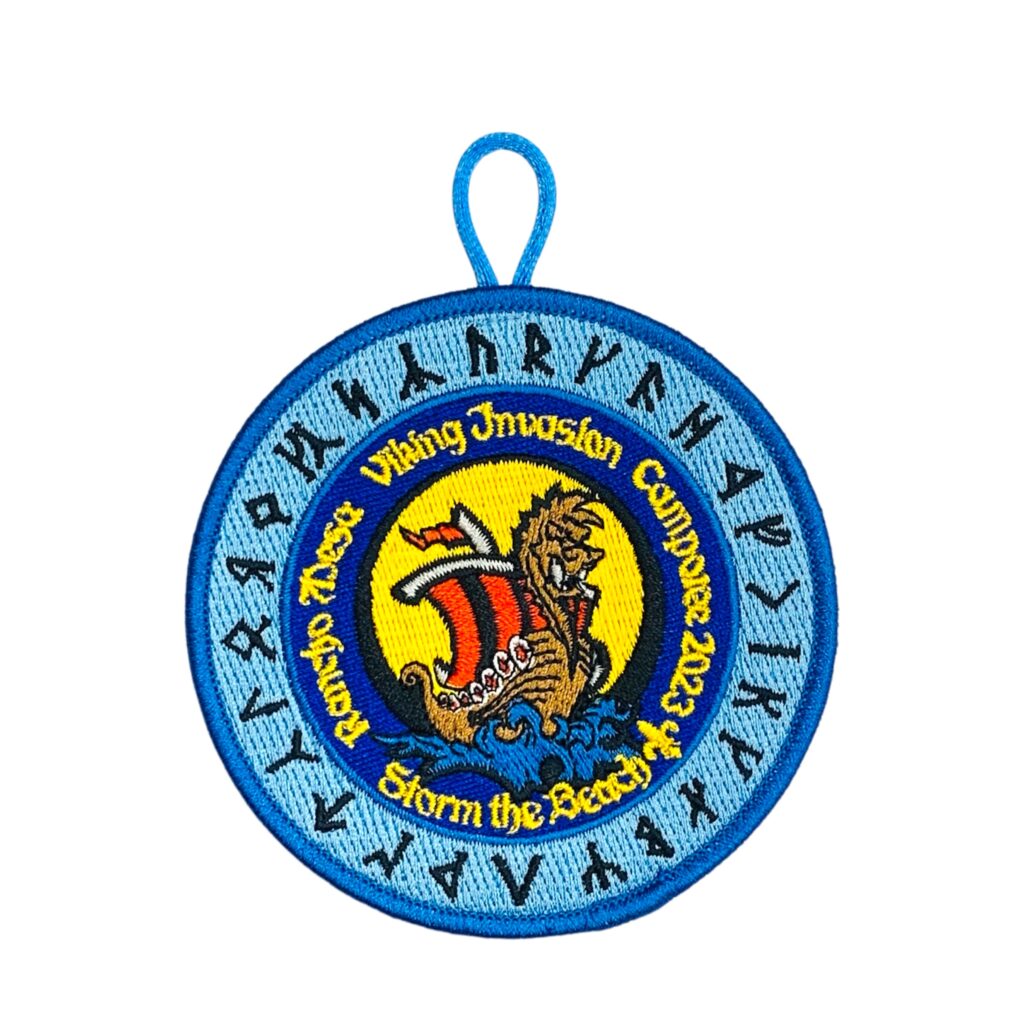
Einführung
In der sich schnell entwickelnden Bekleidungs- und Markenlandschaft von heute, gestickte Aufnäher sind nicht mehr nur dekorative Elemente - sie sind zu strategischen Werkzeugen für Identität, Funktionalität und Flexibilität geworden. Zu den verschiedenen Methoden der Anbringung von Aufnähern, gestickte Aufnäher mit Knopfleiste (auch bekannt als abnehmbare gestickte Aufnäher oder schlaufenbasierte Aufnäher) gewinnen zunehmend an Aufmerksamkeit, insbesondere in Branchen, die Anpassungsfähigkeit und langfristige Verwendbarkeit erfordern. Von Uniformen und Outdoor-Ausrüstung bis hin zu Corporate Branding und Werbekampagnen - die Nachfrage nach abnehmbaren und wiederverwendbaren Aufnäherlösungen steigt stetig.
Im Gegensatz zu herkömmlichen Trägermaterialien wie Aufbügel-, Klebe- oder dauerhaften Aufnähflicken, gestickte Aufnäher mit Knopfleiste bieten einen einzigartigen strukturellen Vorteil: Sie sind so konzipiert, dass sie leicht angebracht und entfernt werden können, ohne den Grundstoff zu beschädigen. Dies macht sie besonders wertvoll in Umgebungen, in denen Aufnäher häufig aktualisiert werden müssen, wie z. B. bei Militäreinheiten, Uniformen der Strafverfolgungsbehörden, Pfadfinderorganisationen oder saisonalen Marketingkampagnen. Der auf Schlaufen basierende Befestigungsmechanismus ermöglicht es den Benutzern, die Aufnäher schnell zu wechseln und gleichzeitig ein sauberes und professionelles Erscheinungsbild zu bewahren.
Ein weiterer entscheidender Vorteil von gestickte Aufnäher mit Knopfleiste ist ihre Fähigkeit, den Produktlebenszyklus zu verlängern und die langfristigen Kosten zu senken. Anstatt ganze Kleidungsstücke oder Ausrüstungsgegenstände zu ersetzen, wenn sich das Branding oder die Kennzeichnung ändert, können die Benutzer einfach den Aufnäher austauschen. Dies passt gut zu den Nachhaltigkeitstrends und Kosteneffizienzzielen bei der B2B-Beschaffung, insbesondere für Organisationen, die große Uniformsysteme verwalten.
In diesem Artikel werden wir untersuchen, was gestickte Aufnäher mit Knopfleiste sind, wie sie funktionieren und vor allem, warum ihre abnehmbare Konstruktion einen erheblichen Vorteil gegenüber anderen Aufnäherunterstützungsoptionen bietet. Wir werden auch reale Anwendungen analysieren, verschiedene Anbringungsmethoden vergleichen und einen Einblick in die Überlegungen zur OEM-Herstellung geben - damit Sie fundierte Entscheidungen für Ihr nächstes Aufnäherprojekt treffen können.
Was sind gestickte Aufnäher mit Knopfleiste?
Bevor man sich mit den Vorteilen und Anwendungen befasst, muss man sich klar machen, was gestickte Aufnäher mit Knopfleiste sind und wie sie funktionieren. Im Vergleich zu herkömmlichen Pflasterträgern ist diese Art von Pflaster speziell auf Flexibilität, Haltbarkeit und wiederholte Verwendung ausgelegt. Durch die Integration eines schlaufenbasierten Befestigungssystems, gestickte Aufnäher mit Knopfleiste bieten eine praktische Lösung für Benutzer, die sowohl eine sichere Platzierung als auch ein einfaches Entfernen benötigen, wodurch sie bei Uniformen, taktischer Ausrüstung und Branding-Systemen immer beliebter werden.
Struktur des Button Loop Patch Designs
Das Herzstück der gestickte Aufnäher mit Knopfleiste ist ein speziell entwickelter Schlaufenmechanismus, der normalerweise auf die Rückseite des Aufnähers genäht oder integriert ist. Diese Schlaufen sind strategisch so positioniert, dass sie mit Knöpfen oder Befestigungspunkten an Kleidungsstücken oder Ausrüstungen übereinstimmen. Im Gegensatz zu selbstklebenden oder wärmeaktivierten Trägern ist die Struktur eines Knopfschlaufenaufnähers rein mechanisch, was die Haltbarkeit und Langlebigkeit deutlich erhöht.
Der Aufnäher selbst wird in der Regel mit hochverdichteten Sticktechniken hergestellt, um sicherzustellen, dass die visuellen Elemente - Logos, Abzeichen oder Branding - scharf und dauerhaft bleiben. Der Schlaufenteil ist oft mit starken Nähten verstärkt, um wiederholten Anbringungs- und Entfernungszyklen standzuhalten. Dieser strukturelle Aufbau macht gestickte Aufnäher mit Knopfleiste besonders geeignet für Umgebungen, in denen es auf Zuverlässigkeit ankommt, wie z. B. bei Militäruniformen, Outdoor-Ausrüstung oder industrieller Arbeitskleidung.
Darüber hinaus ermöglicht die Flexibilität der Schlaufenplatzierung eine Anpassung an spezifische Anwendungsfälle. Ob es sich um eine zentrale Befestigung mit nur einer Schlaufe oder um mehrere Schlaufen zur Erhöhung der Stabilität handelt, die Hersteller können das Design an die verschiedenen funktionalen Anforderungen anpassen. Diese Anpassungsfähigkeit ist einer der Hauptgründe, warum gestickte Aufnäher mit Knopfleiste werden häufig in professionellen und B2B-Anwendungen eingesetzt.
Funktionsweise der Knopfschlaufenbefestigung
Die Befestigungsmethode der gestickte Aufnäher mit Knopfleiste ist einfach und dennoch hochwirksam. Die Schlaufen auf der Rückseite des Aufnähers sind so konzipiert, dass sie sich an Knöpfen, Riemen oder bestimmten Befestigungspunkten an Kleidungsstücken einhaken lassen. Einmal befestigt, bleibt der Aufnäher fest an Ort und Stelle, ohne dass Klebstoffe, Heißpressen oder permanente Nähte erforderlich sind.
Dieses System bietet mehrere betriebliche Vorteile. Erstens ermöglicht es ein schnelles Anbringen und Entfernen, was besonders in dynamischen Umgebungen von Vorteil ist, in denen die Kennzeichnung oder das Branding häufig geändert werden muss. Zum Beispiel kann eine Uniform je nach Dienstgrad, Abteilung oder Ereignis unterschiedliche Aufnäher erfordern. Mit einem schlaufenbasierten System können die Benutzer die Aufnäher innerhalb von Sekunden austauschen.
Zweitens bleibt das Grundmaterial intakt, da die Befestigung ohne Klebstoff oder Hitze erfolgt. Dadurch werden häufige Probleme wie Stoffschäden, Rückstände oder Verformungen durch wiederholtes Bügeln vermieden. Daraus folgt, gestickte Aufnäher mit Knopfleiste gelten als gewebesichere Lösung, insbesondere für hochwertige Kleidungsstücke oder technische Textilien.
Unterschiede zu herkömmlichen Patch-Trägern
Um den Wert von gestickte Aufnäher mit Knopfleiste, Es ist wichtig, sie mit anderen gängigen Trägermethoden wie Aufbügeln, Klettverschluss und Aufnähen zu vergleichen. Jede Methode hat ihre eigenen Stärken, aber das auf Schleifen basierende System hebt sich in Bezug auf Wiederverwendbarkeit und strukturelle Einfachheit ab.
📊 Tabelle: Vergleich der Patch-Unterstützungstypen
| Merkmal | Knopf-Schleifen-Aufnäher | Klettverschluss-Patches | Aufbügelbare Aufnäher | Aufnähbare Aufnäher |
|---|---|---|---|---|
| Entfernbarkeit | Hoch | Hoch | Niedrig | Niedrig |
| Beschädigung des Gewebes | Keine | Niedrig | Mittel-Hoch | Mittel |
| Wiederverwendbarkeit | Ausgezeichnet | Gut | Schlecht | Begrenzt |
| Installationszeit | Schnell | Schnell | Mittel | Langsam |
| Langfristige Kosteneffizienz | Hoch | Mittel | Niedrig | Mittel |
Wie oben dargestellt, gestickte Aufnäher mit Knopfleiste eignen sich hervorragend für Situationen, in denen Flexibilität, Kosteneffizienz und Gewebeschutz im Vordergrund stehen. Klettaufnäher lassen sich zwar auch wieder ablösen, aber sie können mit der Zeit an Haftung verlieren und Staub oder Schmutz anziehen. Aufbügelbare Aufnäher hingegen bieten ein sauberes Aussehen, sind aber nicht für wiederholte Änderungen geeignet.
🔗 Erweiterte Lektüre
- Stickerei-Aufnäher-Vergleichsleitfaden
- Gestickte Abzeichen vs. gedruckte Abzeichen: Vollständiger Vergleichsleitfaden
Warum Knopfschleifenaufnäher die beste abnehmbare, bestickte Lösung sind
Bei der Auswahl der richtigen Trägerlösung für gestickte Aufnäher sind Funktionalität und langfristige Verwendbarkeit oft wichtiger als das Aussehen allein. Dies ist der Punkt gestickte Aufnäher mit Knopfleiste hervorstechen. Mit ihrem abnehmbaren System bieten sie ein ausgewogenes Verhältnis zwischen Haltbarkeit, Flexibilität und Kosteneffizienz, was sie zur idealen Wahl für Uniformen, Außenanwendungen und markenorientierte Produkte macht. In diesem Abschnitt werden wir die folgenden Punkte aufschlüsseln drei Hauptvorteile die die gestickte Aufnäher mit Knopfleiste eine überlegene Option im Vergleich zu herkömmlichen Methoden der Pflasterbefestigung.
Abnehmbare und austauschbare Konstruktion
Einer der wichtigsten Vorteile der gestickte Aufnäher mit Knopfleiste ist ihr vollständig abnehmbares und austauschbares Design. Im Gegensatz zu aufzubügelnden oder aufzunähenden Aufnähern, die permanent oder semi-permanent sind, ermöglichen Knopfschlaufensysteme das einfache Entfernen und Austauschen von Aufnähern, ohne das Kleidungsstück zu beschädigen.
Diese Funktion ist besonders wertvoll in Branchen, in denen die Kennzeichnung oder das Branding häufig geändert werden muss. So benötigen beispielsweise Militäreinheiten je nach Dienstgrad oder Aufgabe unterschiedliche Abzeichen, während Firmenuniformen möglicherweise saisonale Aktualisierungen des Brandings oder veranstaltungsspezifische Logos benötigen. Anstatt völlig neue Kleidungsstücke zu produzieren, können Unternehmen einfach den Aufnäher austauschen, was sowohl Zeit als auch Kosten spart.
Aus der B2B-Perspektive bedeutet diese Flexibilität eine effiziente Lagerhaltung. Unternehmen können die Basis-Kleidungsstücke standardisieren und die Aufnäher separat anpassen, was die Komplexität der Produktion reduziert und skalierbare Branding-Lösungen ermöglicht. Dies macht gestickte Aufnäher mit Knopfleiste eine ausgezeichnete Wahl für Unternehmen, die anpassungsfähige und zukunftssichere Designs suchen.
Keine Beschädigung des Gewebes
Ein weiterer großer Vorteil von gestickte Aufnäher mit Knopfleiste ist, dass sie das Grundmaterial nicht beschädigen. Herkömmliche Anbringungsmethoden - wie das Aufbügeln von Klebstoffen oder wiederholtes Nähen - können Stoffe mit der Zeit schwächen, Verfärbungen verursachen oder dauerhafte Spuren hinterlassen. Im Gegensatz dazu beruhen Knopfschlaufensysteme auf einer mechanischen Befestigung, bei der weder Hitze noch Klebstoff erforderlich sind.
Dadurch eignen sie sich besonders für hochwertige Kleidungsstücke, technische Stoffe und Uniformen, die eine lange Haltbarkeit erfordern. Für Outdoor-Ausrüstung und taktische Uniformen werden beispielsweise häufig spezielle Materialien verwendet, die empfindlich auf Hitze oder Klebstoffe reagieren können. Durch die Verwendung von gestickte Aufnäher mit Knopfleiste, können die Benutzer die Unversehrtheit des Stoffes bewahren und dennoch ein sicheres und professionelles Aussehen erzielen.
Darüber hinaus verringert diese gewebesichere Eigenschaft die Wartungsprobleme. Die Kleidungsstücke können gewaschen, repariert oder wiederverwendet werden, ohne dass man sich Gedanken über Kleberückstände oder beschädigte Nähte machen muss. Mit der Zeit trägt dies zu einem längeren Produktlebenszyklus und einer verbesserten Kosteneffizienz bei.
Flexibles Branding & Wiederverwendbarkeit
Bei modernen Branding-Strategien ist Flexibilität der Schlüssel. Gestickte Aufnäher mit Knopfleiste bieten eine äußerst anpassungsfähige Lösung, die dynamisches Branding, Personalisierung und wiederholte Verwendung unterstützt. Da die Aufnäher leicht entfernt und ersetzt werden können, können Unternehmen schnell auf veränderte Marketinganforderungen reagieren.
So können Marken beispielsweise Aufnäher in limitierter Auflage für besondere Veranstaltungen, Kooperationen oder saisonale Kampagnen erstellen, ohne das Basisprodukt zu verändern. Dieser Ansatz steigert nicht nur die Kundenbindung, sondern erhöht auch den wahrgenommenen Wert durch den Sammlerwert und die Individualisierung.
Die Wiederverwendbarkeit ist ein weiterer entscheidender Vorteil. Im Gegensatz zu Klebepflastern, die nach einmaligem Gebrauch ihre Wirksamkeit verlieren, gestickte Aufnäher mit Knopfleiste können mehrfach wiederverwendet werden, ohne die Leistung zu beeinträchtigen. Das macht sie ideal für langfristige Anwendungen, wie z. B. Uniformen, Werbeartikel oder modulare Produktsysteme.
Unter dem Gesichtspunkt der Nachhaltigkeit tragen wiederverwendbare Aufnäher auch zur Abfallvermeidung bei. Anstatt ganze Kleidungsstücke zu entsorgen, können die Nutzer den Aufnäher einfach aktualisieren oder ersetzen, was umweltbewussten Praktiken und modernen Beschaffungsstandards entgegenkommt.
📊 Tabelle: Hauptvorteile von gestickten Aufnähern mit Knopfleiste
| Nutzen Sie | Beschreibung | Geschäftswert |
|---|---|---|
| Abnehmbare Konstruktion | Leicht zu entfernende und zu ersetzende Patches | Reduziert die Bestandskosten |
| Schutz des Gewebes | Keine Hitze oder Klebstoff erforderlich | Verlängert die Lebensdauer von Kleidungsstücken |
| Wiederverwendbarkeit | Mehrfache Verwendung ohne Beschädigung | Unterstützt nachhaltige Praktiken |
| Flexibilität bei der Markenbildung | Schnelle Aktualisierung von Logos oder Identität | Verbessert die Anpassungsfähigkeit des Marketings |
🔗 Erweiterte Lektüre
- Wie gestickte Aufnäher den Wiedererkennungswert einer Marke steigern
- Gestickte Abzeichen in Marketing-Kampagnen
Häufige Verwendungen von abnehmbaren gestickten Aufnähern in Uniformen & Branding
Verstehen der realen Anwendungen von gestickte Aufnäher mit Knopfleiste ist entscheidend für die Bewertung ihres wahren Wertes. Während ihre abnehmbare Struktur klare technische Vorteile bietet, ist es ihre Vielseitigkeit in verschiedenen Branchen, die sie zu einer bevorzugten Lösung sowohl auf B2B- als auch auf Verbrauchermärkten macht. Von funktionalen Uniformen bis hin zu markengerechten Waren, gestickte Aufnäher mit Knopfleiste bieten eine flexible, wiederverwendbare und professionelle Möglichkeit zur Darstellung der Identität und zur Steigerung des Produktwerts. In diesem Abschnitt gehen wir auf die häufigsten Anwendungen ein, bei denen diese Art von Aufnähern eine hervorragende Leistung erbringt.
Uniformen (Militär, Polizei, Pfadfinder)
Eine der wichtigsten Verwendungen von gestickte Aufnäher mit Knopfleiste ist in Uniformen zu finden, insbesondere in strukturierten Organisationen wie Militäreinheiten, Strafverfolgungsbehörden und Pfadfindergruppen. In diesen Umgebungen sind oft Abzeichen erforderlich, die Rang, Abteilung, Leistungen oder Rollen darstellen - Elemente, die sich im Laufe der Zeit ändern können.
Der abnehmbare Charakter der gestickte Aufnäher mit Knopfleiste ermöglicht es den Mitarbeitern, ihre Abzeichen zu aktualisieren, ohne die gesamte Uniform auszutauschen. Dies ist besonders vorteilhaft in großen Organisationen, in denen die Standardisierung der Uniform wichtig ist, aber die individuelle Identifikation flexibel bleiben muss. Im Vergleich zu aufgenähten Abzeichen reduzieren Knopfschlaufensysteme die Wartungszeit und -kosten erheblich.
Da die Anbringungsmethode den Stoff nicht beschädigt, behalten die Uniformen auch bei langfristiger Nutzung ein sauberes und professionelles Aussehen. Dies macht gestickte Aufnäher mit Knopfleiste eine zuverlässige und effiziente Lösung für offizielle und institutionelle Anwendungen.
Outdoor-Ausrüstung und taktische Ausrüstung
In Outdoor- und taktischen Umgebungen sind Haltbarkeit und Anpassungsfähigkeit entscheidend. Gestickte Aufnäher mit Knopfleiste werden häufig auf Rucksäcken, Jacken, Westen und anderen Ausrüstungsgegenständen verwendet, bei denen der Benutzer die Kennzeichnung oder Funktionalität anpassen muss.
Wanderer, Camper und taktische Profis verwenden zum Beispiel häufig Aufnäher, um die Gruppenzugehörigkeit, Sicherheitsinformationen oder einsatzspezifische Kennzeichnungen zu zeigen. Mit einem schlaufenbasierten Befestigungssystem können diese Aufnäher je nach Situation leicht ausgetauscht werden. Diese Flexibilität ist besonders in Umgebungen nützlich, in denen sich die Bedingungen oder Rollen häufig ändern.
Außerdem werden für Outdoor-Ausrüstung oft spezielle Stoffe verwendet, die empfindlich auf Hitze oder Klebstoffe reagieren können. Die gewebesichere Beschaffenheit von gestickte Aufnäher mit Knopfleiste gewährleistet, dass die Leistungsmaterialien intakt bleiben, was sie zu einer bevorzugten Option gegenüber aufbügelbaren Alternativen macht.
Mode- und Streetwear-Marken
In der Modebranche, insbesondere bei Streetwear und individuell gestaltbarer Kleidung, gestickte Aufnäher mit Knopfleiste werden zu einem innovativen Designelement. Marken suchen zunehmend nach Möglichkeiten, Produkte zu personalisieren und in limitierter Auflage anzubieten, und abnehmbare Aufnäher sind eine perfekte Lösung.
Mit gestickte Aufnäher mit Knopfleiste, Designer können modulare Bekleidungssysteme entwerfen, bei denen die Kunden Logos, Grafiken oder Themen je nach ihren Vorlieben ändern können. Dies steigert nicht nur das Engagement der Nutzer, sondern erhöht auch den wahrgenommenen Wert des Produkts.
Für Streetwear-Marken bietet dieser Ansatz die Möglichkeit, Kollaborationen, saisonale Kollektionen und exklusive Veröffentlichungen durchzuführen, ohne dass völlig neue Kleidungsstücke benötigt werden. Das Ergebnis ist, gestickte Aufnäher mit Knopfleiste sind nicht nur funktional, sondern auch ein wirkungsvolles Instrument für die Markenbildung und das Geschichtenerzählen.
Corporate Branding & Werbekampagnen
Für Unternehmen, gestickte Aufnäher mit Knopfleiste bieten eine kostengünstige und skalierbare Lösung für das Branding. Unternehmen können abnehmbare Aufnäher für Mitarbeiteruniformen, Veranstaltungsartikel oder Werbegeschenke verwenden und so das Branding ohne zusätzliche Produktionskosten anpassen.
Bei Messen oder Marketingkampagnen können Unternehmen zum Beispiel veranstaltungsspezifische Aufnäher auf Standarduniformen anbringen. Nach der Veranstaltung können die Aufnäher entfernt und durch ein reguläres Branding ersetzt werden, so dass nicht mehr mehrere Uniformsätze benötigt werden.
Diese Flexibilität ist besonders für B2B-Beschaffungsteams wertvoll, da sie die Komplexität der Lagerhaltung reduziert und dynamische Markenstrategien unterstützt. Außerdem entsprechen wiederverwendbare Aufnäher den Nachhaltigkeitszielen und machen gestickte Aufnäher mit Knopfleiste eine attraktive Wahl für moderne Unternehmen.
📊 Tabelle: Anwendungsszenarien und Nutzen
| Anmeldung | Hauptvorteil | Warum Button Loop am besten funktioniert |
|---|---|---|
| Uniformen | Einfache Aktualisierungen | Ersetzen von Abzeichen ohne neue Uniformen |
| Outdoor-Ausrüstung | Flexibilität | Anpassung an sich verändernde Umgebungen |
| Mode | Personalisierung | Ermöglicht modularen Aufbau |
| Corporate Branding | Kosteneffizienz | Ein Kleidungsstück, mehrere Verwendungen |
🔗 Erweiterte Lektüre
- Gestickte Aufnäher für Outdoor-Aktivitäten: Funktion trifft auf Langlebigkeit
- Leitfaden für gestickte Abzeichen für Militär, Polizei und Feuerwehren
- Leitfaden für bestickte Sportmannschaftsabzeichen
Knopfleiste vs. Klettverschluss & Aufbügelbare Aufnäher: Welches Trägermaterial ist besser?
Bei der Wahl des richtigen Trägermaterials für gestickte Aufnäher kommt es oft auf ein ausgewogenes Verhältnis zwischen Komfort, Haltbarkeit und langfristiger Kosteneffizienz an. Es gibt zwar mehrere gängige Optionen, z. B. Klettverschluss, Aufbügeln und traditionelles Aufnähen von Aufnähern, aber jede Methode dient einem anderen Zweck. Für Anwendungen, die Flexibilität und wiederholte Verwendung erfordern, sind sie jedoch die beste Wahl, gestickte Aufnäher mit Knopfleiste als eine sehr praktische Lösung herausstellen. In diesem Abschnitt werden wir vergleichen gestickte Aufnäher mit Knopfleiste mit anderen gängigen Trägermaterialien zu vergleichen, um festzustellen, welche Option Ihren Anforderungen am besten entspricht.
Knopfschlaufe vs. Klettverschlussaufnäher
Klettverschlüsse sind weithin für ihre einfache Handhabung und Ablösbarkeit bekannt. Sie bestehen aus Klettflächen, die ein schnelles Anbringen und Abnehmen ermöglichen. Im Laufe der Zeit können Klettverschlüsse jedoch aufgrund von Abnutzung, Staubansammlung und wiederholter Verwendung ihre Wirksamkeit verlieren.
Im Gegensatz dazu, gestickte Aufnäher mit Knopfleiste beruhen auf einem mechanischen Befestigungssystem, das sich nicht auf die gleiche Weise abbaut. Das macht sie bei langfristigen Anwendungen zuverlässiger, vor allem in Außenbereichen oder in der Industrie, wo die Haltbarkeit entscheidend ist. Außerdem bieten Knopfschlaufensysteme ein saubereres und strukturierteres Erscheinungsbild, während Klettverschlussaufnäher manchmal sperrig oder weniger raffiniert wirken können.
Aus Sicht der Instandhaltung, gestickte Aufnäher mit Knopfleiste erfordern nur minimale Pflege, während Klettverschlüsse mit der Zeit gereinigt oder ersetzt werden müssen. Dies macht Knopfschleifenpflaster zu einer stabileren Wahl für den langfristigen Einsatz.
Knopfschlaufe vs. Aufbügelbare Aufnäher
Aufbügelbare Aufnäher sind aufgrund ihrer Einfachheit und der geringen Anschaffungskosten sehr beliebt. Sie verwenden hitzeaktivierten Klebstoff, um den Aufnäher direkt auf den Stoff zu kleben, wodurch ein sauberes und nahtloses Aussehen entsteht. Diese Methode ist jedoch mit erheblichen Einschränkungen verbunden.
Einmal aufgebrachte Aufnäher lassen sich nur schwer wieder entfernen, ohne das Kleidungsstück zu beschädigen. Auch wiederholtes Waschen und Hitzeeinwirkung können den Klebstoff schwächen, so dass sich das Pflaster mit der Zeit ablöst. Im Gegensatz dazu, gestickte Aufnäher mit Knopfleiste bieten eine völlig nicht-invasive Befestigungsmethode, bei der die Integrität des Gewebes erhalten bleibt.
Für Anwendungen, die häufige Aktualisierungen erfordern - wie z. B. Uniformen oder Werbekleidung - sind Aufbügelaufnäher nicht ideal. Gestickte Aufnäher mit Knopfleiste, bieten dagegen volle Wiederverwendbarkeit und Flexibilität, was sie trotz etwas höherer Anschaffungskosten zu einer besseren langfristigen Investition macht.
Knopfschlaufe vs. aufgenähte Patches
Aufnähbare Aufnäher gelten als eine der haltbarsten Befestigungsmethoden, da sie dauerhaft auf das Kleidungsstück genäht werden. Daher eignen sie sich für Anwendungen, bei denen die Aufnäher nicht häufig gewechselt werden müssen.
Die Dauerhaftigkeit von Aufnähern ist jedoch auch ihre größte Einschränkung. Das Entfernen oder Ersetzen der Aufnäher erfordert zusätzlichen Arbeitsaufwand und kann den Stoff beschädigen. Für Organisationen, die ihr Branding, ihre Rollen oder ihre Identifikation aktualisieren müssen, kann dieser Prozess sowohl zeitaufwändig als auch kostspielig sein.
Gestickte Aufnäher mit Knopfleiste beseitigen dieses Problem, indem sie eine sichere und dennoch abnehmbare Lösung bieten. Sie kombinieren die Stabilität einer mechanischen Befestigung mit der Flexibilität eines einfachen Austauschs und sind damit ideal für dynamische Umgebungen, in denen Anpassungsfähigkeit unerlässlich ist.
📊 Tabelle: Vergleich der Patch-Unterlagen
| Merkmal | Knopf-Schleifen-Aufnäher | Klettverschluss-Patches | Aufbügelbare Aufnäher | Aufnähbare Aufnäher |
|---|---|---|---|---|
| Entfernbarkeit | Ausgezeichnet | Gut | Schlecht | Sehr niedrig |
| Dauerhaftigkeit | Hoch | Mittel | Mittel | Sehr hoch |
| Schutz des Gewebes | Ausgezeichnet | Gut | Niedrig | Mittel |
| Wiederverwendbarkeit | Hoch | Mittel | Niedrig | Sehr niedrig |
| Wartung | Niedrig | Mittel | Niedrig | Hoch |
| Bester Anwendungsfall | Flexible Systeme | Schnelles Tauschen | Dekorativ | Ständige Verwendung |
🔗 Erweiterte Lektüre
- Leitfaden für den Vergleich von gestickten Aufnähern: Welches ist das Beste?
- Gestickte Abzeichen vs. gedruckte Abzeichen: Vollständiger Vergleichsleitfaden
Entwerfen von hochwertigen abnehmbaren gestickten Aufnähern
Gestaltung einer hochwertigen gestickter Aufnäher mit Knopfleiste erfordert mehr als nur ein attraktives Erscheinungsbild. Es geht um ein sorgfältiges Gleichgewicht zwischen Ästhetik, Funktionalität und struktureller Haltbarkeit. Da gestickte Aufnäher mit Knopfleiste für wiederholtes Anbringen und Abnehmen konzipiert sind, muss ihr Design sowohl die visuelle Wirkung als auch die mechanische Leistung berücksichtigen. Ein gut gestalteter Aufnäher stärkt nicht nur die Markenidentität, sondern gewährleistet auch eine langfristige Verwendbarkeit in verschiedenen Anwendungen wie Uniformen, Outdoor-Ausrüstung und Werbeartikeln. In diesem Abschnitt werden wir die wichtigsten Designfaktoren untersuchen, die zu einem effektiven und zuverlässigen Knopfschlaufenaufnäher beitragen.
Überlegungen zu Größe und Platzierung
Die Größe und Platzierung eines gestickter Aufnäher mit Knopfleiste spielen sowohl für das Aussehen als auch für die Funktionalität eine entscheidende Rolle. Ein zu großer Aufnäher kann beim Aufkleben instabil werden, während ein zu kleiner Aufnäher das beabsichtigte Design oder Branding nicht klar vermitteln kann.
Bei der Gestaltung von Aufnähern für Uniformen oder Ausrüstungsgegenstände ist es wichtig zu berücksichtigen, wo der Aufnäher platziert werden soll, z. B. auf der Brust, am Ärmel oder auf dem Rucksack. Jeder Platzierungsbereich hat eine andere Sichtbarkeit und Bewegungsdynamik, was sich auf die Leistung des Aufnähers im realen Einsatz auswirken kann.
Außerdem sollten die Designer darauf achten, dass die Größe mit den Abständen der Schaltflächen oder Befestigungspunkte übereinstimmt. Eine korrekte Ausrichtung gewährleistet, dass die gestickter Aufnäher mit Knopfleiste sitzt flach und sicher, so dass unnötige Bewegungen oder Verformungen während des Gebrauchs vermieden werden.
Schleifenposition und Stärke Design
Das Schleifensystem ist das entscheidende Merkmal von gestickte Aufnäher mit Knopfleiste, Daher ist die Konstruktion entscheidend für die Gesamtleistung. Die Anzahl, Position und Stärke der Schlaufen muss sorgfältig geplant werden, um Stabilität und Haltbarkeit zu gewährleisten.
Bei kleineren Pflastern kann eine einzige Schlaufe ausreichend sein. Bei größeren oder schwereren Aufnähern sind jedoch oft mehrere Schlaufen erforderlich, um das Gewicht gleichmäßig zu verteilen und ein Kippen oder Ablösen zu verhindern. Die Schlaufen sollten mit kräftigen Nähten verstärkt sein, um wiederholtem Gebrauch standzuhalten, insbesondere in anspruchsvollen Umgebungen wie im Freien oder bei taktischen Einsätzen.
Ein weiterer wichtiger Faktor ist die symmetrische Anordnung der Schlaufen. Richtig positionierte Schlaufen tragen dazu bei, das Gleichgewicht zu halten und sicherzustellen, dass der Aufnäher mit dem Kleidungsstück in einer Linie bleibt. Dies verbessert nicht nur die Funktionalität, sondern auch das professionelle Erscheinungsbild des Aufnähers.
Material- und Gewindeauswahl
Die Auswahl des Materials ist ein Schlüsselfaktor für die Qualität und Langlebigkeit von gestickte Aufnäher mit Knopfleiste. Hochwertige Grundstoffe wie Twill oder Filz bieten eine stabile Grundlage für die Stickerei, während erstklassige Garne für leuchtende Farben und lang anhaltende Leistung sorgen.
Die Auswahl des Garns ist besonders wichtig, da sie sich direkt auf die optische Klarheit und Haltbarkeit des Designs auswirkt. Aufgrund ihrer Festigkeit, Farbechtheit und Verschleißfestigkeit werden häufig Polyesterfäden verwendet. Für hochwertige Anwendungen können die Hersteller spezielle Fäden verwenden, die die Textur verbessern oder zusätzliche Widerstandsfähigkeit gegen Umwelteinflüsse bieten.
Außerdem muss das Schlaufenmaterial selbst stark genug sein, um wiederholte Anbringungszyklen zu überstehen, ohne auszufransen oder zu brechen. Durch die Wahl der richtigen Materialkombination wird sichergestellt, dass gestickte Aufnäher mit Knopfleiste sowohl ihre Ästhetik als auch ihre Funktionssicherheit im Laufe der Zeit bewahren.
📊 Tabelle: Wichtige Designüberlegungen für gestickte Aufnäher mit Knopfleiste
| Gestaltungselement | Wichtigste Überlegung | Auswirkungen |
|---|---|---|
| Größe | Bereich der Streichholzplatzierung | Verbessert Stabilität und Sichtbarkeit |
| Position der Schleife | Ausgewogen und ausgerichtet | Verhindert Kippen |
| Schleifenstärke | Verstärkte Nähte | Garantiert Langlebigkeit |
| Stoff | Twill/Filz | Bietet Struktur |
| Thema | Polyester / Spezialität | Verbessert Haltbarkeit und Farbe |
🔗 Erweiterte Lektüre
- Entwerfen von Kunstwerken für die Stickerei: Ein vollständiger Leitfaden
- High-Density-Stickerei-Stichzahl erklärt
Herstellungsprozess von individuell bestickten Aufnähern mit Knopfschlaufendesign
Das Verständnis des Herstellungsprozesses hinter gestickte Aufnäher mit Knopfleiste ist für Unternehmen, die eine gleichbleibende Qualität, Langlebigkeit und Skalierbarkeit gewährleisten wollen, unerlässlich. Im Gegensatz zu Standardaufnähern müssen bei der Herstellung von Knopfschleifen zusätzliche strukturelle Überlegungen angestellt werden, insbesondere bei der Integration und Verstärkung der Schleifen. Für B2B-Einkäufer ist es wichtig zu wissen, wie diese Aufnäher hergestellt werden, um Lieferanten zu bewerten, die Qualität zu kontrollieren und die Kosteneffizienz zu optimieren. In diesem Abschnitt schlüsseln wir den gesamten Produktionsablauf von gestickte Aufnäher mit Knopfleiste, vom ersten Entwurf bis zur abschließenden Qualitätskontrolle.
Digitalisierung und Probenahme
Die Produktion von gestickte Aufnäher mit Knopfleiste beginnt mit der Digitalisierung, d. h. der Umwandlung der Vorlage in eine maschinenlesbare Stickereidatei. Dieser Schritt ist von entscheidender Bedeutung, denn er bestimmt die Stichrichtung, die Dichte und die allgemeine visuelle Präzision.
Ein gut digitalisiertes Design stellt sicher, dass das endgültige Pflaster saubere Linien, genaue Proportionen und eine gleichmäßige Fadenabdeckung aufweist. In dieser Phase planen die Hersteller auch die Platzierung der Schlaufen, um sicherzustellen, dass die Befestigungspunkte in das Design integriert werden, ohne das visuelle Layout zu beeinträchtigen.
Nach der Digitalisierung folgt die Bemusterung, die es den Kunden ermöglicht, einen physischen Prototyp vor der Massenproduktion zu prüfen. Dieser Schritt ist besonders wichtig für gestickte Aufnäher mit Knopfleiste, Sie prüft sowohl die ästhetische Qualität als auch die Funktionalität des Schleifensystems.
Stickereiproduktion
Sobald das Muster genehmigt ist, geht der Prozess in die Produktion der Stickerei in vollem Umfang über. Um Präzision und Effizienz zu gewährleisten, werden in der Regel leistungsstarke Stickmaschinen - wie die von Branchenführern wie Tajima - eingesetzt.
In dieser Phase spielt die Garnqualität eine entscheidende Rolle. Hochwertige Garne bieten eine bessere Farberhaltung, Haltbarkeit und Widerstandsfähigkeit gegen Umwelteinflüsse. Der Stickprozess muss außerdem eine gleichmäßige Stichdichte gewährleisten, um sicherzustellen, dass gestickte Aufnäher mit Knopfleiste ihre strukturelle Integrität im Laufe der Zeit zu erhalten.
Bei B2B-Großaufträgen ist es wichtig, die Einheitlichkeit der Chargen zu gewährleisten. Dies erfordert eine strenge Maschinenkalibrierung und standardisierte Produktionsverfahren.
Schlaufenbefestigung und Endbearbeitung
Nachdem die Stickerei abgeschlossen ist, beginnt der Prozess der Schlaufenbefestigung. Dies ist ein entscheidender Schritt für gestickte Aufnäher mit Knopfleiste, Die Haltbarkeit und die Positionierung der Schlaufen wirken sich direkt auf die Benutzerfreundlichkeit aus.
Die Schlaufen werden in der Regel mit verstärkten Nähten auf die Rückseite des Aufnähers genäht, um sicherzustellen, dass sie dem wiederholten Anbringen und Entfernen standhalten können. Je nach Design können die Hersteller einzelne oder mehrere Schlaufen verwenden, um die Stabilität zu erhöhen.
Anschließend werden Veredelungsverfahren - wie Laserschneiden oder Heißschneiden - angewandt, um saubere Kanten und präzise Formen zu erzielen. Diese Veredelungstechniken verbessern nicht nur das Aussehen, sondern verhindern auch das Ausfransen und gewährleisten eine lange Haltbarkeit.
Normen für die Qualitätskontrolle
Die Qualitätskontrolle ist die letzte und kritischste Phase bei der Herstellung von gestickte Aufnäher mit Knopfleiste. Jeder Aufnäher muss auf Stickgenauigkeit, Schlingenstärke, Kantenverarbeitung und allgemeine Konsistenz geprüft werden.
Für B2B-Kunden stellt eine zuverlässige Qualitätskontrolle sicher, dass jede Charge den geforderten Standards entspricht, wodurch das Risiko von Mängeln und Rücksendungen reduziert wird. Zu den wichtigsten Prüfpunkten gehören:
- Konsistenz und Ausrichtung der Stiche
- Haltbarkeit und Festigkeit der Schlaufen
- Präzision und Sauberkeit der Kanten
- Farbgenauigkeit und Fadenqualität
Ein professioneller Hersteller führt mehrstufige Qualitätskontrollen durch, um zu gewährleisten, dass gestickte Aufnäher mit Knopfleiste sowohl funktionale als auch ästhetische Erwartungen erfüllen.
📊 Tabelle: Überblick über den Herstellungsprozess
| Bühne | Schwerpunktthema | Bedeutung |
|---|---|---|
| Digitalisieren | Stichplanung | Gewährleistet die Genauigkeit des Entwurfs |
| Probenahme | Prüfung von Prototypen | Validiert Design und Funktion |
| Stickerei | Konsistenz der Produktion | Behält die Qualität bei |
| Schlaufenbefestigung | Strukturelle Festigkeit | Gewährleistet Benutzerfreundlichkeit |
| Fertigstellung | Qualität der Kante | Verbessert die Haltbarkeit |
| Qualitätskontrolle | Inspektion | Garantiert Zuverlässigkeit |
🔗 Erweiterte Lektüre
- FuFu's Thread - Professionelle Stickgarne für langlebige und farbechte Abzeichen
- Tajima Group - Industrielle Stickerei-Technologie für die Präzisionsfertigung
So wählen Sie einen OEM-Hersteller von bestickten Aufnähern
Die Wahl des richtigen Lieferanten ist eine der wichtigsten Entscheidungen bei der Beschaffung gestickte Aufnäher mit Knopfleiste, Dies gilt insbesondere für B2B-Kunden, die eine gleichbleibende Qualität, eine skalierbare Produktion und zuverlässige Lieferfristen benötigen. Viele Hersteller können zwar standardmäßige gestickte Aufnäher herstellen, aber nicht alle verfügen über das Fachwissen, um die strukturellen und funktionalen Anforderungen von Button-Loop-Designs zu erfüllen. Von den OEM-Fähigkeiten bis hin zu den Qualitätskontrollsystemen kann die Wahl des richtigen Partners erhebliche Auswirkungen auf Ihre Produktleistung, Ihr Markenimage und Ihre langfristige Kosteneffizienz haben. In diesem Abschnitt erläutern wir die Schlüsselfaktoren, die bei der Bewertung eines Lieferant für gestickte Aufnäher mit Knopfleiste.
Überlegungen zwischen OEM und ODM
Eines der ersten Dinge, die bei der Auswahl eines Lieferanten zu klären sind, ist die Frage, ob er sich auf OEM- (Original Equipment Manufacturer) oder ODM- (Original Design Manufacturer) Dienstleistungen spezialisiert hat. Für Unternehmen mit einem etablierten Markenauftritt und spezifischen Designanforderungen sind OEM-Hersteller in der Regel die bessere Wahl.
Ein erfahrener OEM-Lieferant für gestickte Aufnäher mit Knopfleiste konzentriert sich auf die präzise Ausführung und stellt sicher, dass Ihr Design, Ihre Spezifikationen und funktionalen Anforderungen genau in das Endprodukt umgesetzt werden. Dies ist besonders wichtig für die Platzierung von Schleifen, die Abmessungen von Patches und die Leistung der Befestigung.
ODM-Lieferanten hingegen bieten möglicherweise vorgefertigte Designs oder begrenzte Anpassungsmöglichkeiten, die nicht vollständig mit Ihrer Markenidentität übereinstimmen. Für Unternehmen, die Konsistenz und Differenzierung anstreben, bietet die Zusammenarbeit mit einem spezialisierten OEM-Hersteller mehr Kontrolle und Flexibilität.
MOQ, Preisgestaltung & Vorlaufzeit
Die Mindestbestellmenge (MOQ), die Preisstruktur und die Produktionsvorlaufzeit sind wichtige Faktoren für jeden B2B-Einkauf. Zuverlässige Lieferanten von gestickte Aufnäher mit Knopfleiste sollte eine transparente Preisgestaltung und flexible MOQ-Optionen auf der Grundlage Ihres Projektumfangs bieten.
Bei Großaufträgen ist eine wettbewerbsfähige Preisgestaltung wichtig - sie sollte jedoch nicht auf Kosten der Qualität gehen. Es ist wichtig, die Kosten im Verhältnis zur Materialqualität, Stickpräzision und Schlingenhaltbarkeit zu bewerten. Geringfügig höhere Stückkosten können langfristig zu einem besseren Wert führen, da weniger Defekte auftreten und weniger Produkte ausgetauscht werden müssen.
Die Vorlaufzeit ist ein weiterer kritischer Faktor, insbesondere bei zeitkritischen Projekten wie Produkteinführungen oder Marketingkampagnen. Ein professioneller Anbieter sollte in der Lage sein, klare Produktionszeitpläne zu erstellen und konsistente Liefertermine einzuhalten.
Qualität und Erfahrung im Export
Bei der Beschaffung gestickte Aufnäher mit Knopfleiste für internationale Märkte ist die Exporterfahrung des Lieferanten ein entscheidender Faktor. Erfahrene Hersteller kennen sich mit globalen Qualitätsstandards, Verpackungsanforderungen und Logistikprozessen aus und sorgen für eine reibungslose Lieferung und die Einhaltung von Einfuhrbestimmungen.
Auch die Qualitätssicherungssysteme sollten sorgfältig geprüft werden. Ein zuverlässiger Lieferant wird strenge Inspektionsverfahren einführen, einschließlich Materialprüfungen, Überprüfung der Stickgenauigkeit und Prüfung der Schlaufenfestigkeit. So wird sichergestellt, dass jede Charge gleichbleibende Standards erfüllt.
Darüber hinaus kann die Zusammenarbeit mit einem Lieferanten, der Erfahrung im Umgang mit globalen Kunden hat, wertvolle Einblicke in die Produktoptimierung, Kostenkontrolle und Designverbesserungen bieten - und Ihnen helfen, bessere Ergebnisse auf Ihrem Zielmarkt zu erzielen.
📊 Tabelle: Checkliste zur Lieferantenbewertung
| Kriterien | Was zu beachten ist | Warum es wichtig ist |
|---|---|---|
| OEM-Fähigkeit | Fachwissen über kundenspezifische Produktion | Gewährleistet die Genauigkeit des Entwurfs |
| MOQ-Flexibilität | Skalierbare Bestelloptionen | Unterstützt verschiedene Projektgrößen |
| Transparenz der Preisgestaltung | Klare Kostenstruktur | Vermeidet versteckte Kosten |
| Vorlaufzeit | Verlässlicher Lieferplan | Verhindert Verzögerungen |
| Qualitätskontrolle | Mehrstufige Inspektion | Gewährleistet Konsistenz |
| Erfahrung im Export | Globale Schifffahrtskenntnisse | Reibungsloser internationaler Handel |
🔗 Erweiterte Lektüre
- OEM-Stickerei-Hersteller: Was Sie wissen müssen, bevor Sie einen Lieferanten wählen
- Bestellung von individuell bestickten Aufnähern: Schritt-für-Schritt-Anleitung
FAQ: Über gestickte Aufnäher mit Knopfleiste
Für ein besseres Verständnis gestickte Aufnäher mit Knopfleiste, haben wir eine Liste mit häufig gestellten Fragen zu Funktionalität, Anwendungen, Anpassung und Beschaffung zusammengestellt. Dieser Abschnitt ist so konzipiert, dass er die häufigsten Fragen von Erstkäufern und erfahrenen B2B-Kunden beantwortet und gleichzeitig die Sichtbarkeit bei der Suche durch die Abdeckung von Long-Tail-Schlüsselwörtern zu folgenden Themen verbessert gestickte Aufnäher mit Knopfleiste, abnehmbare Aufnäher und Lösungen für gestickte Aufnäherrückseiten.
Q1. Was ist ein gestickter Aufnäher mit Knopfleiste?
A gestickter Aufnäher mit Knopfleiste ist eine Art Aufnäher, der auf der Rückseite mit Schlaufen versehen ist, so dass er mit Knöpfen oder Ankerpunkten statt mit Klebstoff oder permanenten Nähten befestigt werden kann. Dieses abnehmbare System macht es wiederverwendbar, gewebeverträglich und ideal für Anwendungen, die häufig aktualisiert oder ersetzt werden müssen.
Q2. Wie funktioniert ein gestickter Aufnäher mit Knopfleiste?
Der Aufnäher verfügt über eine oder mehrere Schlaufen, die an Knöpfen oder festen Punkten an Kleidungsstücken oder Ausrüstungsgegenständen eingehakt werden können. Durch dieses mechanische Befestigungssystem bleibt der Aufnäher sicher an seinem Platz und lässt sich bei Bedarf dennoch leicht entfernen.
Q3. Sind gestickte Aufnäher mit Knopfleiste abnehmbar?
Ja, einer der Hauptvorteile von gestickte Aufnäher mit Knopfleiste ist ihre Abnehmbarkeit. Sie können mehrfach abgenommen und wieder angebracht werden, ohne dass ihre Leistung oder ihr Aussehen beeinträchtigt wird.
Q4. Können Knopfschleifenaufnäher die Kleidung beschädigen?
Nein, gestickte Aufnäher mit Knopfleiste beschädigen die Kleidung nicht, da sie keine Hitze, keinen Klebstoff und keine dauerhaften Nähte erfordern. Das macht sie zu einer sicheren Option für empfindliche oder hochwertige Stoffe.
Q5. Welche Produkte sind für gestickte Aufnäher mit Knopfleiste geeignet?
Diese Aufnäher werden in der Regel auf Uniformen, Outdoor-Ausrüstung, Rucksäcken, Jacken und Werbekleidung verwendet. Sie sind besonders nützlich in Situationen, in denen Flexibilität und individuelle Gestaltung gefragt sind.
Q6. Knopfschlaufe vs. Klettverschlusspflaster: was ist besser?
Beide Optionen sind abnehmbar, aber gestickte Aufnäher mit Knopfleiste sind im Laufe der Zeit haltbarer und verlieren nicht durch Abnutzung oder Staub an Wirksamkeit. Klettverschlusspflaster sind zwar praktisch, können aber bei wiederholter Verwendung abgenutzt werden.
Q7. Können gestickte Aufnäher mit Knopfschlaufen wiederverwendet werden?
Ja, gestickte Aufnäher mit Knopfleiste sind für den wiederholten Einsatz konzipiert. Ihr mechanisches Befestigungssystem sorgt dafür, dass sie auch nach mehreren Befestigungszyklen ihre Leistung beibehalten.
Q8. Sind Aufnäher mit Knopfleiste für Uniformen geeignet?
Ganz genau. Gestickte Aufnäher mit Knopfleiste sind bei Uniformen weit verbreitet, da sie eine einfache Aktualisierung von Abzeichen, Dienstgraden oder Branding ermöglichen, ohne dass das gesamte Kleidungsstück ersetzt werden muss.
Q9. Welche Materialien werden für gestickte Aufnäher mit Knopfleiste verwendet?
Sie werden in der Regel aus strapazierfähigem Grundgewebe wie Köper oder Filz in Kombination mit hochwertigen Polyesterfäden hergestellt. Die Schlaufen sind verstärkt, um Stärke und Langlebigkeit zu gewährleisten.
Q10. Kann ich gestickte Aufnäher mit Knopfleiste individuell gestalten?
Ja, die meisten Hersteller bieten eine vollständige OEM-Anpassung an, einschließlich Größe, Form, Design, Farben und Schleifenkonfiguration. So können Unternehmen Aufnäher erstellen, die auf ihre spezifischen Bedürfnisse zugeschnitten sind.
Q11. Was ist die Mindestbestellmenge (MOQ)?
Die Mindestbestellmenge variiert je nach Hersteller und Anpassungsgrad. Für die OEM-Produktion bieten die Lieferanten in der Regel skalierbare MOQ-Optionen an, um unterschiedlichen Geschäftsanforderungen gerecht zu werden.
Q12. Wie lange dauert die Produktion?
Die Produktionszeit beträgt in der Regel 7 bis 14 Tage für die Bemusterung und 2 bis 4 Wochen für die Massenproduktion, je nach Komplexität und Bestellmenge.
CTA: Benutzerdefinierte Schaltfläche Schleife bestickt Patch Hersteller
Wenn Sie einen zuverlässigen Partner für die Herstellung hochwertiger gestickte Aufnäher mit Knopfleiste, Die Wahl eines erfahrenen OEM-Herstellers ist daher von entscheidender Bedeutung. Von der präzisen Ausführung der Stickerei bis hin zur dauerhaften Schlaufenkonstruktion spielt jedes Detail eine entscheidende Rolle bei der Gewährleistung von Produktleistung und langfristigem Wert. Unter Artist Embroidery Corporation, Wir sind auf die Herstellung kundenspezifischer gestickter Aufnäher für globale B2B-Kunden spezialisiert und bieten eine skalierbare Produktion, strenge Qualitätskontrollen und flexible Lösungen, die auf Ihre spezifischen Anwendungsanforderungen zugeschnitten sind. Ganz gleich, ob es sich bei Ihrem Projekt um Uniformen, Outdoor-Ausrüstung oder Branding-Kampagnen handelt, unser Team ist in der Lage, konsistente und professionelle Ergebnisse zu liefern.
Warum mit Artist Embroidery Corporation arbeiten?
Wir verfügen über jahrelange Erfahrung in der Stickereibranche, Artist Embroidery Corporation bietet End-to-End OEM-Lösungen für gestickte Aufnäher mit Knopfleiste. Wir konzentrieren uns auf Präzision, Langlebigkeit und Effizienz und stellen sicher, dass jedes Pflaster den internationalen Qualitätsstandards entspricht.
Unsere Fähigkeiten umfassen:
- Maßgeschneiderte Ausführung auf der Grundlage Ihrer Spezifikationen
- Hochdichte Stickerei mit gleichbleibender Stichqualität
- Verstärkte Schlaufenkonstruktion für wiederholten Gebrauch
- Flexible MOQ und skalierbare Produktionskapazität
- Zuverlässige Lieferzeiten für weltweite Lieferungen
Wir verstehen die Bedürfnisse von B2B-Kunden und arbeiten eng mit Marken, Organisationen und Händlern zusammen, um Patch-Lösungen zu entwickeln, die die Funktionalität und den Markenwert verbessern.
Starten Sie Ihr individuelles Patch-Projekt noch heute
Ganz gleich, ob Sie eine neue Produktlinie entwickeln oder Ihr derzeitiges Patch-System aktualisieren, gestickte Aufnäher mit Knopfleiste bieten eine flexible und kostengünstige Lösung. Unser Team ist bereit, Sie bei der Materialauswahl, Designoptimierung und Produktionsplanung zu unterstützen, um das bestmögliche Ergebnis zu gewährleisten.
Partner mit Artist Embroidery Corporation um Ihre Ideen mit professioneller Fertigungsunterstützung und zuverlässigem Service zum Leben zu erwecken.
Artist Embroidery Corporation
📞 Telefon: +886-2-8245-8989
📧 E-Mail: service@artistembroidery.com
🏢 Büro: 7 F., No. 21, Qiao'an St., Zhonghe Dist., New Taipei City 235026, Taiwan
🏭 Fabrik: Nr. 12, Zhiwa 2nd Rd., Gemeinde Shetou, Bezirk Changhua 511006, Taiwan
Wir sind spezialisiert auf gestickte OEM-Aufnäher mit stabiler Qualität, fortschrittlicher Produktionstechnologie und umfassender Exporterfahrung für globale Märkte.
 English
  Japanese
  Chinese
  Korean
  Spanish
  French
  Russian
  Portuguese
  German