
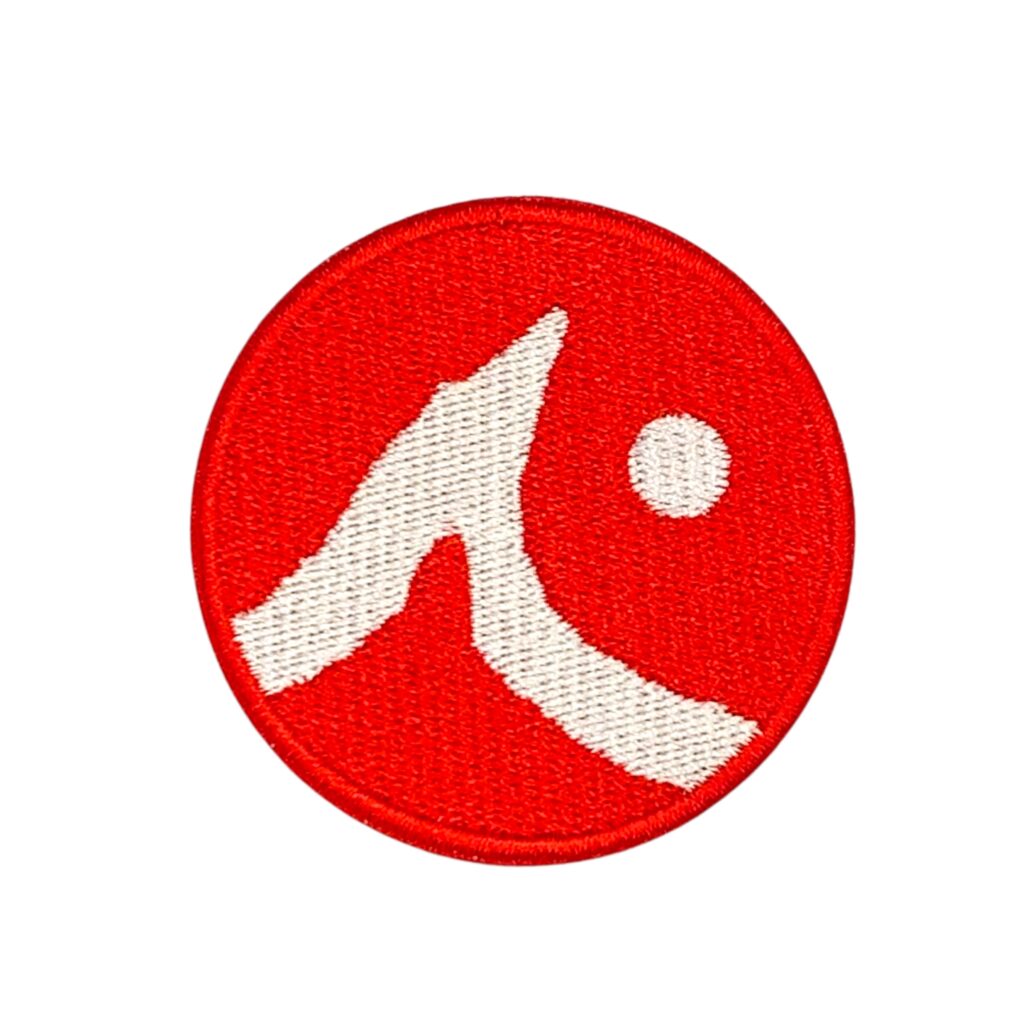
Introduction: Why a Company Embroidered Logo Is More Than Just Decoration
In today’s competitive business environment, branding is no longer limited to websites, advertisements, or digital campaigns. Every physical touchpoint between your company and your customers contributes to brand perception. A Company Embroidered Logo is one of the most underestimated yet powerful tools in building a consistent and premium corporate identity. Many businesses still see embroidery as a simple production technique rather than a strategic branding asset. However, when applied correctly, a company embroidered logo transforms uniforms, workwear, promotional items, and corporate apparel into moving brand ambassadors.
Unlike printed logos that may fade, crack, or lose texture over time, a company embroidered logo delivers durability, dimensional texture, and a strong sense of craftsmanship. The raised stitching, thread sheen, and structural integrity communicate stability and reliability—qualities that customers subconsciously associate with professionalism and trustworthiness. For B2B industries especially, where credibility plays a critical role in decision-making, this subtle branding reinforcement can significantly influence perception.
Furthermore, a Company Embroidered Logo enhances internal branding. When employees wear uniforms featuring a high-quality embroidered logo, it fosters unity, pride, and brand alignment. The logo is no longer just a symbol—it becomes a shared identity. From manufacturing factories and corporate offices to trade shows and retail environments, embroidered logos ensure visual consistency across all physical brand touchpoints.
This guide will explore how a Company Embroidered Logo strengthens brand identity, how it compares to alternative decoration methods, what industries benefit most from embroidery applications, and how businesses can strategically implement embroidered logos to build long-term brand equity. If your company is looking to elevate its image beyond basic printing solutions, understanding the branding power of embroidery is the first step toward differentiation.
How a Company Embroidered Logo Strengthens Brand Identity and Corporate Image
A strong brand is built on consistency, visibility, and emotional perception. While digital branding plays a crucial role, physical brand presentation often creates the most immediate and lasting impression. A Company Embroidered Logo strengthens brand identity by transforming everyday apparel and corporate materials into premium brand carriers. When customers, partners, or prospects see a well-crafted embroidered logo on uniforms, jackets, caps, or trade show apparel, they subconsciously interpret it as a sign of professionalism and stability. The texture, depth, and durability of embroidery communicate long-term commitment—something flat printing cannot easily replicate.
Unlike printed logos that may appear temporary or promotional, a Company Embroidered Logo conveys permanence and confidence. The dimensional stitching enhances visual recognition, especially in face-to-face interactions. In industries such as manufacturing, hospitality, corporate services, and retail, employees represent the brand physically. A consistent embroidered logo across staff uniforms reinforces brand cohesion and increases trust. Over time, this consistency builds brand memory and recall, which are essential for long-term business growth.
Additionally, embroidered logos improve perceived product and service quality. When a company invests in high-quality embroidery, it signals attention to detail. Customers often associate such detail-oriented branding with reliable service standards. Therefore, a Company Embroidered Logo is not merely decorative—it is a strategic branding investment that enhances credibility, visual hierarchy, and corporate authority.
Company Embroidered Logo vs Printed Logo: Perception and Branding Impact
Choosing between embroidery and printing is not simply a cost decision; it is a brand positioning decision. While printing may offer lower upfront cost, embroidery offers superior tactile experience and brand longevity. The following comparison illustrates how each method affects brand perception:
📊 Table: Branding Perception Comparison
| Comparison Factor | Company Embroidered Logo | Printed Logo |
|---|---|---|
| Visual Depth | High (3D texture, thread sheen) | Flat surface |
| Professional Image | Premium and stable | Casual or promotional |
| Durability | High resistance to washing and wear | May fade or crack over time |
| Brand Recognition | Strong due to dimensional detail | Moderate |
| Perceived Value | High-quality corporate branding | Cost-effective solution |
From a strategic branding perspective, a Company Embroidered Logo is often chosen by businesses aiming to establish long-term brand authority rather than short-term promotional visibility.
🔗 Extended Reading
- Embroidered Badges vs Printed Badges Comparison Guide
- How Embroidered Patches Enhance Brand Recognition
Application Scenarios of a Company Embroidered Logo Across Industries
A Company Embroidered Logo is not limited to uniforms alone. Its real branding power lies in versatility. From corporate offices and production floors to exhibitions and promotional campaigns, embroidered logos serve as a consistent visual anchor across multiple brand touchpoints. Businesses that strategically apply embroidery across departments and environments create stronger visual cohesion and long-term brand recall.
Different industries leverage a company embroidered logo in distinct ways. In manufacturing and industrial sectors, embroidered logos on workwear enhance safety uniformity and reinforce corporate identity. In hospitality and service industries, embroidery communicates refinement and professionalism. For corporate offices, polo shirts, jackets, and business casual apparel featuring a company embroidered logo strengthen internal culture while maintaining a polished external image. Meanwhile, marketing teams often use embroidered patches or branded caps during trade shows and corporate events to increase brand exposure in high-traffic environments.
Unlike temporary promotional printing, embroidery withstands repeated washing and long-term use, making it suitable for industries where durability and professional presentation matter. Additionally, embroidered logos on accessories such as hats, outerwear, and corporate gifts extend branding beyond the workplace into public visibility. When employees or customers wear these items outside of formal business settings, they effectively become brand ambassadors.
Strategically applying a Company Embroidered Logo across multiple use cases ensures consistent brand representation while maximizing return on branding investment.
Recommended Applications by Industry
Selecting the right embroidery placement depends on the nature of the business, employee interaction level, and brand positioning strategy.
📊 Table: Industry Application for Company Embroidered Logo
| Industry Type | Recommended Application | Suggested Placement | Branding Objective |
|---|---|---|---|
| Manufacturing & Industrial | Workwear embroidery | Chest / Sleeve | Professional identity & durability |
| Hospitality & F&B | Uniform embroidery | Chest / Apron | Service credibility & refinement |
| Corporate Office | Polo shirts / Jackets | Chest | Brand consistency & internal unity |
| Retail & Sales | Caps / Outerwear | Front / Back | Public visibility & recognition |
| Trade Shows & Events | Custom embroidered patches | Badge / Apparel | Promotional exposure & engagement |
| Sports & Team Branding | Team uniforms | Chest / Shoulder | Team identity & cohesion |
This structured approach ensures the Company Embroidered Logo aligns with brand strategy rather than being treated as an afterthought.
🔗 Extended Reading
- Embroidered Patches in the Uniform Industry
- Sports Team Embroidered Badges Guide
- Embroidered Badges for Marketing Campaigns
Company Embroidered Logo vs Printed Logo: Cost, Durability, and Strategic Positioning
When deciding between decoration methods, many businesses initially focus on cost. However, the choice between a Company Embroidered Logo and a printed logo should be evaluated from a long-term branding and return-on-investment perspective rather than a short-term production budget. While printing may appear more economical upfront, embroidery often delivers superior value over time due to durability, brand perception, and lifecycle performance.
A company embroidered logo is stitched directly into the fabric, creating a structured, textured finish that resists fading, cracking, and peeling. This makes it especially suitable for uniforms and apparel that require frequent washing or heavy usage. In contrast, printed logos—depending on the technique used (screen printing, heat transfer, or digital printing)—may gradually deteriorate under repeated laundering or friction.
Beyond durability, strategic positioning plays a crucial role. Businesses aiming to establish authority, reliability, and premium service standards often choose embroidery because it conveys craftsmanship and permanence. Printing, on the other hand, is frequently associated with promotional campaigns, event-based marketing, or short-term brand exposure. Therefore, the decision should align with brand objectives: Is the logo meant to communicate longevity and professionalism, or is it intended for temporary promotional use?
Understanding these differences allows companies to implement branding methods that support long-term growth rather than reactive cost-saving decisions.
Cost Structure and Long-Term Value Comparison
The true cost of a Company Embroidered Logo must consider lifespan, wash resistance, and brand impact—not just initial unit price.
📊 Table: Company Embroidered Logo vs Printed Logo Cost & Value
| Evaluation Criteria | Company Embroidered Logo | Printed Logo |
|---|---|---|
| Initial Unit Cost | Moderate to High | Low to Moderate |
| Durability | High (long-term use) | Medium (may fade/crack) |
| Wash Resistance | Excellent | Moderate |
| Brand Perception | Premium & Professional | Promotional / Casual |
| Suitable Use | Long-term uniforms & corporate branding | Short-term campaigns & promotions |
| Long-Term ROI | Strong due to lifespan | Limited for heavy-use garments |
When uniforms are used daily for months or years, embroidery often becomes more cost-efficient over time due to reduced replacement frequency. Additionally, the premium perception generated by a Company Embroidered Logo contributes intangible value by strengthening customer trust and reinforcing brand stability.
🔗 Extended Reading
Key Design Principles Before Creating a Company Embroidered Logo
Before producing a Company Embroidered Logo, it is essential to understand that not every logo design is automatically embroidery-friendly. Unlike digital graphics or printed artwork, embroidery translates design elements into stitches. This means line thickness, color blocks, gradients, and fine details must be carefully evaluated to ensure clarity, durability, and visual balance. A well-optimized embroidered logo strengthens brand identity, while a poorly adapted one may reduce readability and perceived quality.
One of the most important factors is stitch density and line thickness. Extremely thin lines or tiny typography may disappear or become distorted when stitched. Simplifying intricate elements while maintaining brand recognition is often necessary. Additionally, embroidery does not naturally support gradient transitions the same way printing does. Designers must convert gradients into solid color blocks or thread blends that preserve the visual essence of the original logo.
Color selection also directly impacts cost and production efficiency. Each thread color change increases machine setup complexity. While embroidery can handle multiple colors, strategic simplification can improve both aesthetics and cost structure. Furthermore, size and placement must be considered. A Company Embroidered Logo on a chest pocket requires different scaling compared to a large back design on a jacket.
By applying embroidery-specific design principles early in the process, businesses ensure their company embroidered logo maintains sharp definition, strong brand recognition, and professional appearance across all applications.
Technical Considerations: Stitch Count, Size, and Thread Selection
Understanding the technical side of embroidery helps companies make informed branding decisions.
📊 Table: Design Optimization Checklist for a Company Embroidered Logo
| Design Element | Recommendation | Branding Impact |
|---|---|---|
| Line Thickness | Avoid extremely thin lines | Improves clarity and durability |
| Small Text | Minimum readable size required | Maintains brand legibility |
| Color Quantity | Optimize number of thread colors | Controls cost & enhances visual harmony |
| Stitch Density | Balanced density to avoid stiffness | Maintains garment comfort |
| Logo Size | Scale according to placement | Ensures proper visibility |
| Thread Quality | Use colorfast, durable thread | Supports long-term brand consistency |
Selecting high-quality threads and professional digitizing ensures the final Company Embroidered Logo retains shape and color integrity after repeated washing.
🔗 Extended Reading
- How to Design Artwork for Embroidery
- High Density Embroidery Stitch Count Explained
- Why Choose Tajima Embroidery Machines
Production Process and Quality Control of a Company Embroidered Logo
Understanding the production workflow behind a Company Embroidered Logo helps businesses evaluate suppliers more effectively and ensure consistent brand quality. Embroidery is not a simple one-step process; it involves technical preparation, precision machinery, material selection, and strict quality inspection. A structured production system guarantees that every embroidered logo reflects the brand’s professional standards.
The process typically begins with artwork digitizing. Unlike graphic design files, embroidery machines require a stitch file created by experienced digitizers. This step determines stitch direction, density, layering order, and reinforcement points. Poor digitizing can lead to thread breakage, distortion, or uneven surfaces. Therefore, professional digitizing is critical to achieving a sharp and balanced company embroidered logo.
After digitizing, a sample is produced for approval. Sampling ensures that thread color, size, stitch density, and placement align with brand expectations. Once approved, bulk production begins using industrial embroidery machines designed for precision and consistency. During mass production, thread tension, fabric stability, and machine calibration are closely monitored.
Quality control is the final and equally important step. Each batch should undergo inspection for color consistency, stitch accuracy, trimming cleanliness, and backing integrity. Reliable manufacturers implement systematic QC procedures to ensure every Company Embroidered Logo maintains uniformity across orders.
A transparent and professional production process not only protects brand reputation but also minimizes long-term risks such as inconsistency, returns, or premature wear.
Standard Production Workflow for a Company Embroidered Logo
The following table outlines the structured production stages from artwork to delivery:
📊 Table: Company Embroidered Logo Production Workflow
| Production Stage | Description | Quality Focus |
|---|---|---|
| Artwork Review | Evaluate logo suitability for embroidery | Line thickness & color clarity |
| Digitizing | Convert artwork into stitch file | Stitch density & direction |
| Sample Development | Produce physical sample | Size accuracy & color matching |
| Client Approval | Confirm final adjustments | Brand alignment |
| Mass Production | Industrial embroidery process | Thread tension & uniformity |
| Quality Inspection | Final inspection & trimming | Stitch precision & cleanliness |
| Packaging & Delivery | Secure packaging for shipment | Protection & presentation |
Partnering with a manufacturer that utilizes advanced industrial embroidery equipment and professional thread suppliers ensures durability and brand consistency across all batches.
🔗 Extended Reading
- OEM Embroidery Manufacturer
- Complete Guide to Embroidered Patches
- Tajima Group – Industrial Embroidery Technology
Cost Structure and Pricing Logic of a Company Embroidered Logo
When evaluating a Company Embroidered Logo, many businesses focus solely on the unit price. However, embroidery pricing is based on technical variables rather than a flat rate. Understanding the cost structure allows companies to optimize their logo design while maintaining branding quality and production efficiency.
The primary factor influencing cost is stitch count. Unlike printing, embroidery pricing is directly related to the number of stitches required to complete the design. Larger logos or dense filled areas increase stitch count, which increases production time and thread consumption. Therefore, logo size and stitch density play a crucial role in overall cost.
Quantity also affects pricing significantly. Higher order volumes reduce per-unit cost due to machine setup efficiency and bulk production optimization. Additionally, thread color changes, specialty backing options (such as Velcro or heat-seal backing), and complex shapes (like laser-cut edges) may add to the total cost.
It is important to note that a Company Embroidered Logo should not be evaluated purely as an expense. Instead, it should be considered a long-term branding investment. A durable embroidered logo on uniforms that last multiple years often provides stronger return on investment compared to lower-cost alternatives that require frequent replacement.
By understanding pricing logic, companies can strategically balance design complexity, order quantity, and branding objectives to achieve optimal cost-performance results.
Key Cost Factors That Influence a Company Embroidered Logo
The following table summarizes the main pricing variables:
📊 Table: Company Embroidered Logo Pricing Factors
| Cost Factor | Impact on Price | Optimization Strategy |
|---|---|---|
| Stitch Count | Higher stitches increase cost | Simplify dense areas where possible |
| Logo Size | Larger logos require more thread | Adjust size based on placement |
| Color Quantity | More thread changes increase setup time | Limit unnecessary color variations |
| Order Quantity | Higher quantity lowers unit cost | Plan bulk production when possible |
| Backing Type | Velcro / heat seal adds cost | Choose based on functional need |
| Edge Finishing | Laser-cut / merrowed edges affect cost | Select finishing method strategically |
Businesses that align logo design with embroidery production standards can control cost while preserving visual impact.
🔗 Extended Reading
How a Company Embroidered Logo Builds Long-Term Brand Value
Branding is not built overnight. It is the result of consistent exposure, repeated recognition, and reinforced perception over time. A Company Embroidered Logo contributes to long-term brand value by creating durable and recurring visual impressions across physical environments. Unlike temporary advertising campaigns, embroidered logos remain visible for years on uniforms, outerwear, caps, and corporate merchandise.
When employees wear apparel featuring a high-quality company embroidered logo daily, the brand gains repeated exposure in workplaces, public areas, client meetings, and industry events. This consistent visibility gradually builds brand familiarity. Research in branding psychology suggests that repeated exposure increases trust and recognition—two essential components of customer loyalty. Therefore, embroidery acts as a subtle but powerful reinforcement mechanism for corporate identity.
Additionally, a Company Embroidered Logo strengthens internal culture. Uniform consistency fosters team unity and shared identity. Employees feel aligned with a company that presents itself professionally. This internal branding effect translates into improved morale and cohesive external representation.
From a financial perspective, embroidery provides long lifecycle durability. Uniforms featuring embroidered logos can withstand repeated washing and long-term use without visual degradation. This reduces replacement frequency and protects brand presentation standards over time. In industries where stability and professionalism are critical—such as manufacturing, corporate services, and hospitality—this consistency reinforces authority.
Ultimately, a company embroidered logo is not merely an apparel detail. It becomes a long-term asset that supports recognition, trust-building, employee alignment, and sustainable brand growth.
Strategic Benefits of Investing in a Company Embroidered Logo
The long-term branding advantages extend beyond aesthetics.
📊 Table: Long-Term Branding Impact of a Company Embroidered Logo
| Branding Dimension | Impact of Embroidered Logo | Long-Term Benefit |
|---|---|---|
| Brand Recognition | Repeated physical exposure | Stronger recall & familiarity |
| Customer Trust | Premium, stable presentation | Higher credibility |
| Employee Unity | Consistent uniform identity | Improved internal culture |
| Durability | Long-lasting stitching | Lower replacement costs |
| Market Positioning | Premium brand perception | Competitive differentiation |
Companies that treat embroidery as part of strategic brand architecture rather than decoration achieve stronger long-term positioning in competitive markets.
🔗 Extended Reading
- Global Market Trends in Embroidered Patches
- Collectible Embroidered Patches
- Streetwear Brand Embroidered Patches Design
FAQ: Frequently Asked Questions About Company Embroidered Logo
Businesses exploring a Company Embroidered Logo often have practical questions regarding minimum order quantity, durability, cost, and application methods. Below are the most frequently asked questions optimized for search intent and real-world business considerations.
Q1. What is the minimum order quantity for a Company Embroidered Logo?
Minimum order quantity depends on whether the logo is embroidered directly onto garments or produced as separate embroidered patches. For custom patches, quantities typically start at manageable levels for small and medium businesses. Bulk production lowers per-unit cost, making embroidery highly scalable.
Q2. How durable is a Company Embroidered Logo compared to printing?
A Company Embroidered Logo is significantly more durable than most printing methods. Because the logo is stitched into the fabric, it resists fading, cracking, and peeling even after repeated washing, making it ideal for uniforms and heavy-use apparel.
Q3. Can a Company Embroidered Logo be applied to hats and outerwear?
Yes. Embroidered logos are commonly applied to caps, jackets, polo shirts, workwear, and even bags. Placement and size should be adjusted based on garment structure and intended branding visibility.
Q4. How long does it take to produce a Company Embroidered Logo order?
Production time typically includes digitizing, sampling, approval, and mass production. Timelines vary depending on quantity and complexity, but structured manufacturers follow a clear workflow to ensure timely delivery.
Q5. Is digitizing required for every Company Embroidered Logo?
Yes. Digitizing converts artwork into a machine-readable stitch file. Even if you have a vector file, professional digitizing is necessary to ensure stitch density, direction, and structural stability.
Q6. How is pricing calculated for a Company Embroidered Logo?
Pricing is primarily based on stitch count, logo size, thread colors, quantity, and finishing options. Larger or more complex designs require higher stitch counts, increasing production time and cost.
Q7. Can small text be embroidered clearly?
Small text can be embroidered, but it must meet minimum size and thickness requirements. Extremely fine details may require design adjustment to maintain clarity and readability.
Q8. What backing options are available for embroidered logos?
For embroidered patches, backing options include iron-on backing, Velcro backing, adhesive backing, or sew-on finishing. The choice depends on application needs and garment type.
Q9. Is a Company Embroidered Logo suitable for promotional campaigns?
Yes. While embroidery is often used for long-term uniforms, it is also highly effective for premium promotional campaigns, trade shows, and corporate merchandise where brand perception matters.
Q10. Does embroidery support complex color gradients?
Embroidery does not replicate digital gradients exactly like printing. Gradients are typically converted into solid thread colors or blended stitch techniques to preserve visual identity.
Q11. Why do premium brands prefer a Company Embroidered Logo?
Premium brands choose embroidery because it communicates craftsmanship, permanence, and quality. The dimensional texture enhances perceived value and strengthens brand authority.
Q12. How do I choose a reliable Company Embroidered Logo manufacturer?
Look for manufacturers with professional digitizing expertise, industrial embroidery machines, strict quality control systems, and experience in OEM production. Consistency and communication are key factors.
CTA: Start Building Your Company Embroidered Logo with a Professional Manufacturer
A strong brand is built through consistency, detail, and long-term vision. A Company Embroidered Logo is not merely a decorative element—it is a strategic branding asset that reinforces professionalism, credibility, and corporate identity across every physical touchpoint. Whether applied to uniforms, workwear, caps, outerwear, or promotional materials, embroidery communicates durability and quality that printed alternatives cannot easily match.
Choosing the right embroidery partner is equally important. Professional digitizing expertise, advanced industrial embroidery machines, high-quality thread materials, and strict quality control systems all determine the final outcome of your logo. A well-produced company embroidered logo reflects your brand standards and ensures visual consistency across departments, production batches, and long-term use.
At Artist Embroidery Corporation, we specialize in OEM and custom embroidery manufacturing with a focus on precision, durability, and brand integrity. From artwork optimization and stitch digitizing to sampling and bulk production, our structured workflow ensures every embroidered logo aligns with your corporate branding strategy. Our production facilities are equipped with industrial embroidery technology designed to deliver consistency and scalable manufacturing capacity for global clients.
If your business is ready to elevate its corporate image with a premium Company Embroidered Logo, our team is here to support you from concept to final production.
Contact Information
Artist Embroidery Corporation
📞 Phone: +886-2-8245-8989
📧 Email: service@artistembroidery.com
🏢 Office: 7 F., No. 21, Qiao’an St., Zhonghe Dist., New Taipei City 235026, Taiwan
🏭 Factory: No. 12, Zhiwa 2nd Rd., Shetou Township, Changhua County 511006, Taiwan
 English
  Japanese
  Chinese
  Korean
  Spanish
  French
  Russian
  Portuguese
  German