
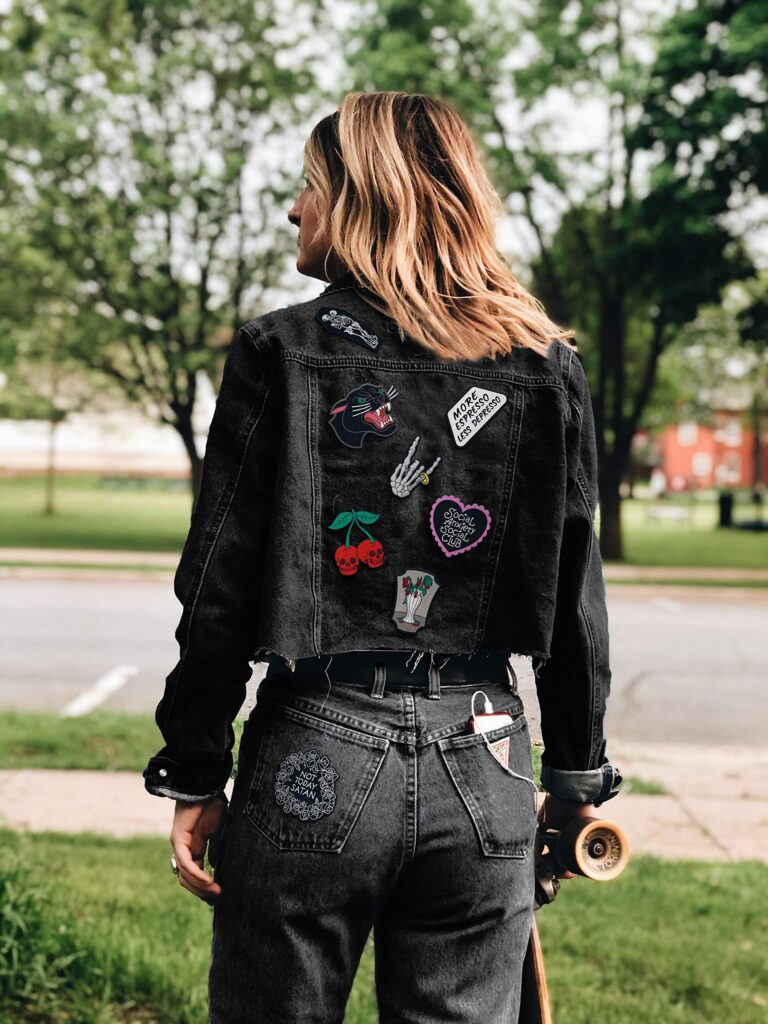
Introduction – Why Streetwear Brand Embroidered Patches Define Modern Brand Identity
Streetwear has never been just about clothing. At its core, it is a cultural language built on visual symbols, attitude, and storytelling. Among all the design elements used by modern streetwear labels, streetwear brand embroidered patches have emerged as one of the most recognizable and influential tools for expressing brand identity. For audiences who are unfamiliar with streetwear culture, embroidered patches may appear to be purely decorative. In reality, they function as visual statements that communicate values, subculture alignment, and brand positioning without the need for words.
Unlike traditional fashion branding, which often relies on printed logos or large graphic placements, streetwear brand embroidered patches emphasize craftsmanship, texture, and permanence. Embroidery adds depth and tactility, creating a sense of authenticity that resonates strongly with streetwear consumers. This is why embroidered patches are frequently seen on jackets, caps, bags, and limited-edition apparel released by streetwear brands worldwide. They are not random embellishments; they are carefully designed brand assets.
Another reason embroidered patches are so important in streetwear branding is their deep connection to iconography. Streetwear culture borrows heavily from skate culture, hip-hop, military insignia, underground art, and youth movements. Embroidered patches visually echo these influences by using symbols, typography, and badge-style compositions that feel intentional and meaningful. Through this approach, streetwear brand embroidered patches become portable brand symbols that can exist independently of the garment itself, reinforcing brand recognition wherever they appear.
For emerging brands, embroidered patches also offer flexibility. A single patch design can be applied across multiple product categories, from outerwear to accessories, helping brands maintain visual consistency while controlling production costs. For established streetwear labels, patches become collectible items that increase perceived value, especially in limited drops or collaborations. In both cases, the embroidered patch evolves from a design element into a strategic branding tool.
This article is designed for readers who want to understand streetwear brand embroidered patches from the ground up. We will explore what they represent, how they are designed, how they communicate brand attitude, and how they are applied across products and collections. Whether you are a brand founder, designer, or marketer, this guide will help you see embroidered patches not just as decoration, but as a powerful medium for expressing streetwear identity.
What Are Streetwear Brand Embroidered Patches? Understanding Them Through Icon Language
To fully understand why streetwear brand embroidered patches play such a critical role in modern fashion branding, it is necessary to look beyond their surface appearance. These patches are not simply stitched decorations or secondary design elements added at the final stage of garment production. Instead, they function as a visual language system—one that communicates identity, belonging, and attitude within streetwear culture. For audiences unfamiliar with streetwear, embroidered patches may seem interchangeable with standard badges or logos. However, in the context of streetwear branding, their meaning is far more intentional and layered.
Streetwear brand embroidered patches are typically designed as standalone symbols. They often feature icon-like compositions that can exist independently from the garment itself, similar to military insignia, motorcycle club badges, or underground music emblems. This independence is a defining trait. A well-designed patch can be instantly recognizable even when removed from clothing, making it a powerful branding asset. This is one reason why streetwear brand embroidered patches are frequently reused across multiple seasons, products, and collaborations while maintaining consistent brand recognition.
Another defining characteristic is how these patches rely on icon language rather than literal messaging. Instead of directly stating brand values, they suggest them through imagery, typography, and composition. Symbols such as animals, abstract shapes, distorted lettering, or emblem-style layouts are commonly used to imply rebellion, exclusivity, humor, or cultural alignment. Through this approach, streetwear brand embroidered patches allow brands to speak to their audience emotionally rather than verbally, reinforcing the idea that streetwear is as much about attitude as it is about apparel.
Streetwear Brand Embroidered Patches vs Generic Embroidered Patches
At first glance, streetwear brand embroidered patches and generic embroidered patches may appear similar in construction, as both use thread, fabric bases, and stitching techniques. The true difference lies not in how they are made, but in why they are made. Generic embroidered patches are typically designed for identification or functional purposes, such as uniforms, clubs, or organizations. Their primary goal is clarity—clearly displaying a logo, name, or role. In contrast, streetwear brand embroidered patches prioritize expression over explanation.
Streetwear patches are deeply rooted in branding strategy. Every design decision—from stitch density to edge style—is influenced by how the patch will communicate brand personality. A rough, high-density patch with aggressive linework may signal boldness and defiance, while a minimal, low-profile embroidered patch may suggest restraint, sophistication, or underground credibility. Generic patches rarely operate at this symbolic level. They aim to be legible; streetwear brand embroidered patches aim to be felt.
Another key difference is longevity. Generic patches are often designed for short-term use or single applications. Streetwear brand embroidered patches, on the other hand, are created with long-term brand consistency in mind. A single patch design may appear across multiple product lines, from jackets and hats to bags and accessories, becoming a recurring visual signature. This consistency helps build strong brand recall and emotional connection among consumers.
Finally, streetwear brand embroidered patches are often designed to be collectible. Limited production runs, collaboration-exclusive designs, and seasonal variations increase perceived value and desirability. This collectible nature is rarely found in generic patches, which are usually mass-produced without narrative or scarcity. As a result, streetwear brand embroidered patches occupy a unique space between fashion, branding, and cultural artifact.
Iconography, Symbols, and Cultural References in Streetwear Patches
Iconography is the foundation of streetwear brand embroidered patches, and it is where their cultural significance becomes most apparent. Streetwear draws inspiration from diverse subcultures, including skateboarding, hip-hop, graffiti art, military aesthetics, and underground movements. These influences are distilled into symbols that communicate shared values and attitudes within the community. An embroidered patch becomes a visual shortcut—a way for the wearer to signal identity and alignment without verbal explanation.
Symbols used in streetwear brand embroidered patches are rarely accidental. Animals may represent strength, freedom, or defiance. Abstract shapes can suggest chaos, experimentation, or resistance to traditional fashion norms. Typography often appears distorted, hand-drawn, or deliberately imperfect, reinforcing the idea of authenticity and rebellion against mass-market polish. Through these elements, embroidered patches convey messages that resonate emotionally with streetwear audiences.
Cultural references also play a crucial role. Many streetwear patches echo the visual language of vintage workwear labels, military unit badges, or music tour patches. By referencing these sources, brands tap into collective memory and nostalgia while reinterpreting them through a contemporary lens. This layering of past and present strengthens brand storytelling and adds depth to the design.
Ultimately, streetwear brand embroidered patches function as wearable symbols of belief systems rather than simple logos. They invite interpretation, encourage identification, and reward those who understand the cultural codes behind them. This is what separates true streetwear branding from surface-level fashion trends and explains why embroidered patches remain such a powerful design tool within the streetwear ecosystem.
📊 Table: Differences Between Streetwear Brand Embroidered Patches and Generic Embroidered Patches
| Comparison Aspect | Streetwear Brand Embroidered Patches | Generic Embroidered Patches |
|---|---|---|
| Design Purpose | Brand attitude and cultural expression | Identification or decoration |
| Visual Language | Symbolic and icon-driven | Literal and informational |
| Brand Longevity | Reusable across seasons and products | Often single-use |
| Collectible Value | High, especially for limited drops | Low |
| Emotional Impact | Strong brand connection | Minimal |
🔗 Extended Reading
- The Complete Guide to Embroidered Patches: Types, Uses, and Design Basics
- How Embroidered Patches Enhance Brand Recognition in Modern Apparel
- Why Collectible Embroidered Patches Matter in Streetwear Culture
Core Visual Elements in Streetwear Brand Embroidered Patches Design
The visual power of streetwear brand embroidered patches lies in their ability to communicate complex brand attitudes through compact design. Unlike large graphics or full-garment prints, embroidered patches operate within limited space, which makes every design decision critical. From stitch density to typography, each element must serve both aesthetic and strategic purposes. For streetwear brands, a patch is not just an accessory—it is a condensed form of brand identity, carrying cultural references, emotional tone, and visual consistency across collections.
What separates successful streetwear brand embroidered patches from forgettable ones is intentional visual hierarchy. Designers must carefully balance clarity, texture, and symbolism so that the patch remains recognizable at a glance while still rewarding closer inspection. Because streetwear consumers are often highly design-aware, even subtle choices—such as thread thickness or border finish—can significantly affect how a brand is perceived. This makes understanding the core visual elements of embroidered patch design essential for any brand aiming to establish credibility in the streetwear space.
Typography, Linework, and Stitch Density in Streetwear Brand Embroidered Patches
Typography is one of the most defining elements in streetwear brand embroidered patches, often carrying as much meaning as imagery itself. Streetwear typography tends to move away from clean, corporate fonts and instead embraces hand-drawn lettering, distorted characters, or retro-inspired typefaces. These choices signal authenticity, rebellion, and alignment with underground culture. When translated into embroidery, typography must be adapted to thread limitations, requiring careful control of line thickness and spacing to maintain legibility without losing character.
Linework plays a crucial role in reinforcing brand attitude. Bold, heavy outlines often communicate strength and confidence, while thin or broken lines may suggest experimentation or rawness. In embroidered patches, linework is directly tied to stitch direction and density. High stitch density creates a solid, premium feel that conveys durability and craftsmanship—qualities highly valued in streetwear branding. Conversely, lower stitch density can produce a lighter, more casual aesthetic, often used by brands aiming for a vintage or minimalist look.
Stitch density also affects how a patch interacts with light and texture. Dense embroidery creates raised surfaces that catch shadows, enhancing depth and tactility. This physical presence is one reason streetwear brand embroidered patches feel more “real” and lasting compared to printed graphics. However, excessive density can make patches stiff or overly heavy, so designers must strike a balance between visual impact and wearability.
Ultimately, typography, linework, and stitch density must work together as a unified system. A patch with aggressive typography but weak stitching will feel inconsistent, while a beautifully stitched patch with generic lettering may fail to communicate brand identity. Successful streetwear brands treat these elements as strategic tools rather than decorative afterthoughts, ensuring that each patch reinforces their overall visual language.
📊 Table: Key Visual Design Elements in Streetwear Brand Embroidered Patches
| Design Element | Common Streetwear Approach | Brand Impact |
|---|---|---|
| Typography | Hand-drawn, distorted, retro | Expresses attitude and authenticity |
| Linework | Bold or intentionally rough | Enhances visual strength |
| Stitch Density | Medium to high | Adds depth and premium feel |
| Texture | Raised embroidery | Improves tactility and durability |
| Visual Hierarchy | Simplified focal points | Ensures instant recognition |
🔗 Extended Reading
- How to Design Artwork for Embroidery Without Losing Detail
- High-Density Embroidery Stitch Count: When More Is Better
- Why Choose Professional Embroidery Machines for Brand-Level Patches
From Brand Spirit to Visual Attitude – How Streetwear Brand Embroidered Patches Communicate Identity
In streetwear, branding is rarely explicit. Instead of clearly stating what a brand stands for, streetwear labels rely on visual cues that invite interpretation. This is where streetwear brand embroidered patches become powerful storytelling tools. More than logos, they act as condensed expressions of brand spirit—transforming abstract values such as rebellion, humor, exclusivity, or authenticity into tangible visual forms. For streetwear audiences, recognizing and understanding these symbols is part of the cultural experience.
Unlike mainstream fashion branding, which often prioritizes broad appeal, streetwear thrives on selective resonance. Embroidered patches allow brands to speak directly to a niche audience through shared visual language. The use of symbols, textures, and compositions in streetwear brand embroidered patches creates emotional recognition rather than literal explanation. When executed well, a patch can instantly communicate whether a brand aligns with underground culture, minimalist aesthetics, or bold, expressive identities.
Translating Rebellion, Humor, and Subculture into Embroidered Patch Design
One of the defining characteristics of streetwear brand embroidered patches is their ability to translate nonconformist attitudes into visual design. Rebellion, for example, is often expressed through irregular shapes, aggressive typography, or intentionally imperfect stitching. These elements signal resistance to polished, mass-market aesthetics and reinforce streetwear’s roots in counterculture movements such as skateboarding, graffiti, and underground music scenes.
Humor is another powerful narrative tool in embroidered patch design. Many streetwear brands use irony, satire, or playful imagery to create emotional connection with their audience. Cartoon-style icons, exaggerated characters, or unexpected combinations of symbols can soften bold messages while maintaining cultural relevance. When humor is embroidered rather than printed, it gains a tactile quality that feels deliberate and crafted, enhancing its perceived authenticity.
Subculture references further deepen the meaning of embroidered patches. Military-inspired insignia layouts, biker-style badges, or vintage workwear motifs are commonly reinterpreted in streetwear brand embroidered patches. These references evoke loyalty, identity, and belonging—values that resonate strongly within streetwear communities. By borrowing from established visual systems, brands create familiarity while adding their own twist, allowing patches to function as both homage and reinvention.
Importantly, these design choices are rarely accidental. Every symbol, stitch style, and border treatment contributes to a cohesive brand narrative. A brand that values raw authenticity may intentionally avoid clean edges, while a brand focused on exclusivity may use restrained color palettes and minimal compositions. Through embroidery, these attitudes are literally stitched into the product, making them part of the garment’s physical structure rather than surface decoration.
In this way, streetwear brand embroidered patches act as wearable belief systems. They allow consumers to align themselves with a brand’s worldview without verbal explanation. This silent communication is a cornerstone of streetwear culture and explains why embroidered patches continue to be one of the most effective tools for expressing brand attitude in contemporary street fashion.
📊 Table: Brand Attitudes Expressed Through Streetwear Brand Embroidered Patches
| Brand Attitude | Common Patch Design Traits | Cultural Message |
|---|---|---|
| Rebellion | Rough edges, bold fonts | Anti-mainstream stance |
| Humor | Cartoon icons, irony | Approachability and creativity |
| Authenticity | Hand-drawn style | Realness and credibility |
| Exclusivity | Minimal colors, clean layout | Limited and premium positioning |
| Subculture Alignment | Badge-style composition | Community belonging |
🔗 Extended Reading
- Global Market Trends in Embroidered Patches and Streetwear Influence
- Why Collectible Embroidered Patches Strengthen Brand Loyalty
- How Embroidered Patches Enhance Brand Recognition
Practical Applications of Streetwear Brand Embroidered Patches
One of the strongest advantages of streetwear brand embroidered patches is their versatility across product categories. Unlike large prints or complex garment constructions, embroidered patches can be applied to a wide range of items while maintaining consistent brand identity. This flexibility allows streetwear brands to scale their visual language across collections, experiment with placement, and adapt designs for different product types without redesigning the entire garment. As a result, embroidered patches have become a foundational element in modern streetwear product development.
From statement outerwear to subtle accessory details, streetwear brand embroidered patches serve both aesthetic and strategic functions. They help brands balance creativity with production efficiency, while also meeting consumer expectations for durability, texture, and authenticity. Understanding how these patches are applied in real-world products is essential for brands looking to maximize their design investment and strengthen brand recognition.
Apparel Applications – Jackets, T-Shirts, and Pants
In apparel, streetwear brand embroidered patches are most commonly associated with outerwear, particularly jackets and hoodies. These garments provide ample surface area and structural support, allowing patches to stand out without compromising comfort. On jackets, patches are often placed on the chest, sleeves, or back panel, where they function as focal points that immediately communicate brand identity. High-density embroidery on heavyweight fabrics reinforces durability and aligns with streetwear’s utilitarian roots.
T-shirts present a different design challenge. Because they are lighter garments, embroidered patches used on tees are typically smaller and more refined. Brands often choose low-profile patches or combine embroidery with woven bases to reduce stiffness. In this context, streetwear brand embroidered patches act as subtle brand markers rather than dominant visual statements. This understated approach appeals to consumers who prefer minimalism while still valuing craftsmanship and authenticity.
Pants and bottoms offer another opportunity for creative application. Embroidered patches placed near pockets, thighs, or cuffs add unexpected visual interest without overwhelming the garment. In streetwear, these placements often reference workwear or military aesthetics, reinforcing themes of function and identity. Because pants experience more movement and friction, patch construction must prioritize durability, making embroidery an ideal choice compared to printed alternatives.
Across all apparel categories, embroidered patches provide consistency. A single patch design can appear across jackets, tees, and pants, unifying a collection visually. This repetition strengthens brand recall and allows consumers to immediately recognize streetwear brand embroidered patches regardless of garment type. For brands managing multiple seasonal drops, this approach ensures coherence while allowing creative variation in garment silhouettes.
Headwear, Bags, and Accessories in Streetwear Branding
Beyond apparel, streetwear brand embroidered patches play a critical role in headwear and accessories, where branding space is often limited. Caps and beanies are among the most common applications. The front panel of a cap provides a compact canvas perfectly suited for embroidered patches, making them highly visible and instantly recognizable. Because headwear is frequently worn across different outfits, patches on caps function as mobile brand advertisements, extending visibility beyond full outfits.
Bags and backpacks are another key category. Streetwear consumers value accessories that balance utility and style, and embroidered patches help achieve this balance. Patches placed on exterior panels or pockets enhance brand identity while reinforcing durability. In this context, embroidery signals quality and longevity, which aligns with the functional expectations of bags used daily.
Accessories such as pouches, key holders, and limited-edition items further demonstrate the adaptability of streetwear brand embroidered patches. These products often serve as entry points for new customers or as collectible merchandise for loyal fans. Embroidered patches elevate these smaller items, making them feel intentional rather than promotional. This is especially effective in limited drops, where scarcity and design detail drive demand.
For brands, applying embroidered patches across accessories also supports merchandising strategies. Accessories often have lower production costs and higher margins, and consistent patch usage helps maintain brand cohesion. Whether on headwear or bags, embroidered patches ensure that even the smallest products carry the same brand attitude and visual language as core apparel pieces.
📊 Table: Application Scenarios for Streetwear Brand Embroidered Patches
| Product Category | Typical Patch Placement | Branding Benefit |
|---|---|---|
| Jackets & Hoodies | Chest, sleeve, back | Strong visual impact |
| T-Shirts | Chest, hem area | Subtle brand identity |
| Pants | Pocket, thigh, cuff | Utility-inspired styling |
| Caps & Beanies | Front panel | High visibility |
| Bags & Accessories | Exterior panels | Durability and recognition |
🔗 Extended Reading
- Hat-Specific Embroidered Patch Design: What Streetwear Brands Should Know
- How Embroidered Badges Are Used in Modern Marketing Campaigns
- Embroidered Patches in the Uniform and Apparel Industry
The Strategic Value of Streetwear Brand Embroidered Patches in Collaborations and Limited Drops
Collaborations and limited releases are central to streetwear culture, and few design elements support these strategies as effectively as streetwear brand embroidered patches. In a market driven by scarcity, storytelling, and community engagement, embroidered patches provide brands with a flexible yet meaningful way to mark exclusivity. They act as visual timestamps—capturing a moment, partnership, or concept in a form that consumers can wear, collect, and remember. For both emerging and established streetwear labels, patches are not just decorative add-ons; they are strategic assets within drop-based business models.
Why Streetwear Collaborations Rely on Embroidered Patches
Streetwear collaborations are built on the idea of merging identities. Whether it is a brand-to-brand partnership, an artist collaboration, or a crossover with music, sports, or lifestyle entities, the challenge lies in visually representing two identities without overwhelming the product. Streetwear brand embroidered patches solve this problem by offering a compact, symbolic design solution that can encapsulate multiple narratives within a single element.
Embroidered patches are particularly effective in collaborations because they can be designed as co-branded symbols. A patch might combine typography from one brand with iconography from another, or reinterpret both identities into a completely new emblem. This allows the collaboration to feel intentional rather than forced. Unlike large printed graphics, which often compete for attention, patches sit naturally within the garment’s design hierarchy, enhancing rather than dominating the product.
Another advantage is adaptability. A single collaborative patch design can be applied across multiple SKUs—jackets, caps, bags, and accessories—ensuring visual consistency throughout the collection. This efficiency is critical in limited drops, where production timelines are tight and cohesion is essential. By reusing the same streetwear brand embroidered patches, brands reduce development complexity while strengthening the collaborative narrative.
From a consumer perspective, embroidered patches elevate perceived value. Collaboration items are expected to feel special, and embroidery communicates craftsmanship and permanence. The tactile nature of patches reinforces the idea that the collaboration is not temporary hype but a thoughtfully executed project. This perception is especially important in streetwear, where authenticity and credibility directly influence purchasing decisions.
Finally, patches offer creative freedom without excessive risk. Because they are modular, brands can experiment with bold concepts in collaborative patches while keeping the base garment relatively simple. This balance allows streetwear brands to push creative boundaries while maintaining commercial viability.
Limited Drops, Collectibility, and Long-Term Brand Equity
Limited drops are the heartbeat of modern streetwear, and streetwear brand embroidered patches play a crucial role in making these releases memorable. Scarcity alone is not enough; consumers seek emotional and cultural value. Embroidered patches help fulfill this demand by turning products into collectible artifacts rather than disposable fashion items.
In limited drops, patches often function as identifiers of exclusivity. A specific patch design may only appear in one release, instantly signaling to those who recognize it that the wearer owns a rare piece. Over time, these patches become visual records of a brand’s history—each one representing a specific era, collaboration, or creative direction. This archival quality strengthens long-term brand equity and deepens fan engagement.
Collectibility is further enhanced by the durability of embroidery. Unlike prints that may fade or crack, embroidered patches age gracefully, retaining their structure and texture. This longevity aligns with the mindset of streetwear collectors, who view their garments as long-term possessions rather than seasonal trends. As a result, streetwear brand embroidered patches contribute to resale value and secondary market interest, reinforcing the desirability of limited releases.
From a branding perspective, limited-edition patches also encourage community interaction. Fans often discuss, trade, or showcase patch-based designs online, creating organic content and peer-driven promotion. Each patch becomes a conversation starter, extending the life of a drop beyond its initial release window.
In the long run, brands that consistently use embroidered patches in limited drops build a recognizable visual archive. This archive helps establish continuity even as styles evolve, ensuring that new collections still feel connected to the brand’s roots. Through this process, embroidered patches transform from design elements into symbols of brand legacy.
📊 Table: Benefits of Streetwear Brand Embroidered Patches in Collaborations and Limited Drops
| Strategy Area | Role of Embroidered Patches | Brand Impact |
|---|---|---|
| Collaborations | Co-branded visual symbols | Clear identity integration |
| Limited Drops | Exclusive patch designs | Increased desirability |
| Collectibility | Durable, archive-worthy elements | Long-term value |
| Production Efficiency | Reusable across SKUs | Cost and time optimization |
| Community Engagement | Recognizable cultural markers | Stronger fan loyalty |
🔗 Extended Reading
- Why Collectible Embroidered Patches Matter in Streetwear Culture
- Global Market Trends in Embroidered Patches and Limited Editions
- How Embroidered Badges Support Brand-Led Marketing Campaigns
Key Production Considerations Before Creating Streetwear Brand Embroidered Patches
Designing streetwear brand embroidered patches is only half of the process. To ensure that a patch successfully translates brand attitude into a durable, wearable product, brands must understand the production considerations that occur before manufacturing begins. Many design concepts fail not because they lack creativity, but because they overlook technical constraints such as stitch limitations, fabric compatibility, and finishing methods. For streetwear brands—where authenticity, quality, and longevity are critical—these production details directly impact consumer perception.
Unlike mass-market accessories, streetwear brand embroidered patches are expected to withstand daily wear while maintaining visual integrity. This requires early collaboration between designers and manufacturers. By considering production factors during the design phase, brands can avoid costly revisions, delays, and inconsistent results. Understanding these key considerations allows streetwear brands to maintain creative control while ensuring scalability and reliability across collections.
Common Design-to-Production Mistakes and How to Avoid Them
One of the most frequent mistakes in producing streetwear brand embroidered patches is designing artwork without accounting for embroidery constraints. Fine lines, small text, and excessive detail may look impressive on screen but often become illegible once stitched. Embroidery relies on thread thickness and stitch direction, which limits how much detail can be accurately reproduced. Brands that ignore these constraints risk ending up with patches that appear cluttered or unclear, weakening brand communication.
Another common issue is improper stitch density selection. While high-density embroidery is often associated with premium quality, excessive density can cause patches to become stiff, heavy, or uncomfortable when applied to garments. This is especially problematic for lightweight apparel such as T-shirts or caps. On the other hand, density that is too low may result in flat or fragile patches that fail to meet durability expectations. Successful streetwear brand embroidered patches strike a balance between visual impact and wearability.
Material compatibility is also frequently underestimated. The fabric base of a patch must complement both the embroidery design and the intended application surface. For example, a thick twill base may work well for jackets and bags but feel bulky on hats. Similarly, backing options such as iron-on, sew-on, or Velcro must align with how the product will be used. Choosing the wrong backing can lead to peeling, discomfort, or reduced product lifespan.
Edge finishing is another area where mistakes occur. Merrowed edges provide a bold, traditional look, while laser-cut or heat-cut edges offer a cleaner, modern aesthetic. Selecting an edge style that clashes with the brand’s visual language can create inconsistency. For streetwear brand embroidered patches, edge finishing should reinforce the brand’s identity rather than contradict it.
By addressing these issues early—simplifying artwork, testing stitch density, selecting appropriate materials, and aligning finishing methods with brand aesthetics—streetwear brands can significantly improve production outcomes. These considerations not only reduce errors but also ensure that the final patches accurately reflect the brand’s intended attitude and quality standards.
📊 Table: Production Considerations for Streetwear Brand Embroidered Patches
| Production Factor | Common Mistake | Best Practice |
|---|---|---|
| Artwork Detail | Overly fine lines | Simplify and thicken key elements |
| Stitch Density | Too dense or too loose | Balance durability and flexibility |
| Patch Base Fabric | Incompatible thickness | Match fabric to application |
| Backing Type | Wrong attachment method | Choose based on usage scenario |
| Edge Finish | Style mismatch | Align with brand aesthetics |
🔗 Extended Reading
- How to Design Artwork for Embroidery Without Production Issues
- Laser Cutting vs Merrow Edge: Choosing the Right Patch Finish
- Why Working with an OEM Embroidery Manufacturer Matters
- Tajima Group – Industrial Embroidery Technology
FAQ – Common Questions About Streetwear Brand Embroidered Patches
Q1: What makes streetwear brand embroidered patches different from regular patches?
Streetwear brand embroidered patches are designed primarily as cultural and branding symbols rather than simple identifiers. They emphasize attitude, storytelling, and subcultural alignment, whereas regular patches usually focus on clarity and function.
Q2: Are streetwear brand embroidered patches suitable for new or emerging brands?
Yes. For new brands, embroidered patches offer a cost-effective way to establish strong visual identity. A single well-designed patch can be applied across multiple products, helping maintain consistency while controlling development costs.
Q3: Do streetwear brand embroidered patches work better than printed logos?
In many cases, yes. Embroidered patches provide texture, depth, and durability that printed logos often lack. This tactile quality enhances perceived value and aligns well with streetwear’s focus on authenticity.
Q4: What products are best suited for streetwear brand embroidered patches?
Common applications include jackets, hoodies, caps, bags, and accessories. These items provide sufficient structure to support embroidery while maximizing visibility and brand recognition.
Q5: Are embroidered patches only suitable for bold or aggressive brand styles?
Not at all. While bold designs are common, minimalist streetwear brands also use embroidered patches with subtle typography, limited color palettes, and clean compositions to express refined brand attitudes.
Q6: How durable are streetwear brand embroidered patches for daily wear?
High-quality embroidered patches are extremely durable. With proper stitch density, backing, and edge finishing, they can withstand frequent washing and long-term use without significant wear.
Q7: Can streetwear brand embroidered patches increase collectible value?
Yes. Limited-edition patches used in collaborations or exclusive drops often become collectible items. Their durability and visual uniqueness contribute to long-term desirability in resale and collector markets.
Q8: Is it possible to use the same patch design across multiple seasons?
Absolutely. Many brands treat embroidered patches as long-term visual assets. Reusing a signature patch across collections strengthens brand recall and creates continuity over time.
Q9: What design mistakes should brands avoid when creating embroidered patches?
Common mistakes include overly detailed artwork, incorrect stitch density, and mismatched backing or edge finishes. These issues can compromise both appearance and usability.
Q10: How do streetwear brand embroidered patches support brand storytelling?
They act as visual shortcuts for brand values. Through symbols, typography, and texture, embroidered patches communicate identity and attitude without relying on text-heavy messaging.
CTA – Create Your Own Streetwear Brand Embroidered Patches with a Trusted Manufacturing Partner
For streetwear brands, embroidered patches are more than decorative elements—they are strategic brand assets that carry identity, attitude, and long-term value. Whether you are launching a new label, preparing a collaboration, or planning a limited-edition drop, professionally produced streetwear brand embroidered patches can elevate your products and strengthen how your brand is perceived in the market. Choosing the right manufacturing partner is therefore a critical step in turning creative concepts into successful, wearable outcomes.
At Artist Embroidery, we specialize in supporting streetwear brands through every stage of embroidered patch development. From early design consultation to final production, our team understands the unique demands of streetwear branding—where authenticity, durability, and visual impact matter just as much as cost control and scalability. We work closely with brands to ensure that each embroidered patch accurately reflects the intended brand attitude while meeting technical and production standards.
Our experience covers a wide range of applications for streetwear brand embroidered patches, including apparel, headwear, bags, and accessories. We help brands refine artwork for embroidery, select appropriate stitch density, choose the right backing methods, and determine edge finishes that align with their aesthetic goals. Whether your design calls for bold, high-density embroidery or a more minimal and refined look, our production process is built to deliver consistent quality across small runs and large-scale orders alike.
In addition to manufacturing, we provide practical guidance that helps brands avoid common production pitfalls. This includes advising on material compatibility, placement considerations, and long-term durability—factors that directly affect customer satisfaction and brand reputation. For streetwear brands planning collaborations or limited drops, our team also supports flexible production planning to meet tight timelines without compromising quality.
If you are looking for a reliable partner to bring your streetwear brand embroidered patches to life, we invite you to connect with us. Whether you have a finalized design or are still developing your concept, our team is ready to support your brand’s next move with professional expertise and responsive service.
Artist Embroidery Corporation
📞 Phone: +886-2-8245-8989
📧 Email: service@artistembroidery.com
🏢 Office Address: 7 F., No. 21, Qiao’an St., Zhonghe Dist., New Taipei City 235026, Taiwan
🏭 Factory Address: No. 12, Zhiwa 2nd Rd., Shetou Township, Changhua County 511006, Taiwan
Let us help you transform your brand vision into high-quality embroidered patches that resonate with streetwear culture and stand the test of time.
 English
  Japanese
  Chinese
  Korean
  Spanish
  French
  Russian
  Portuguese
  German