
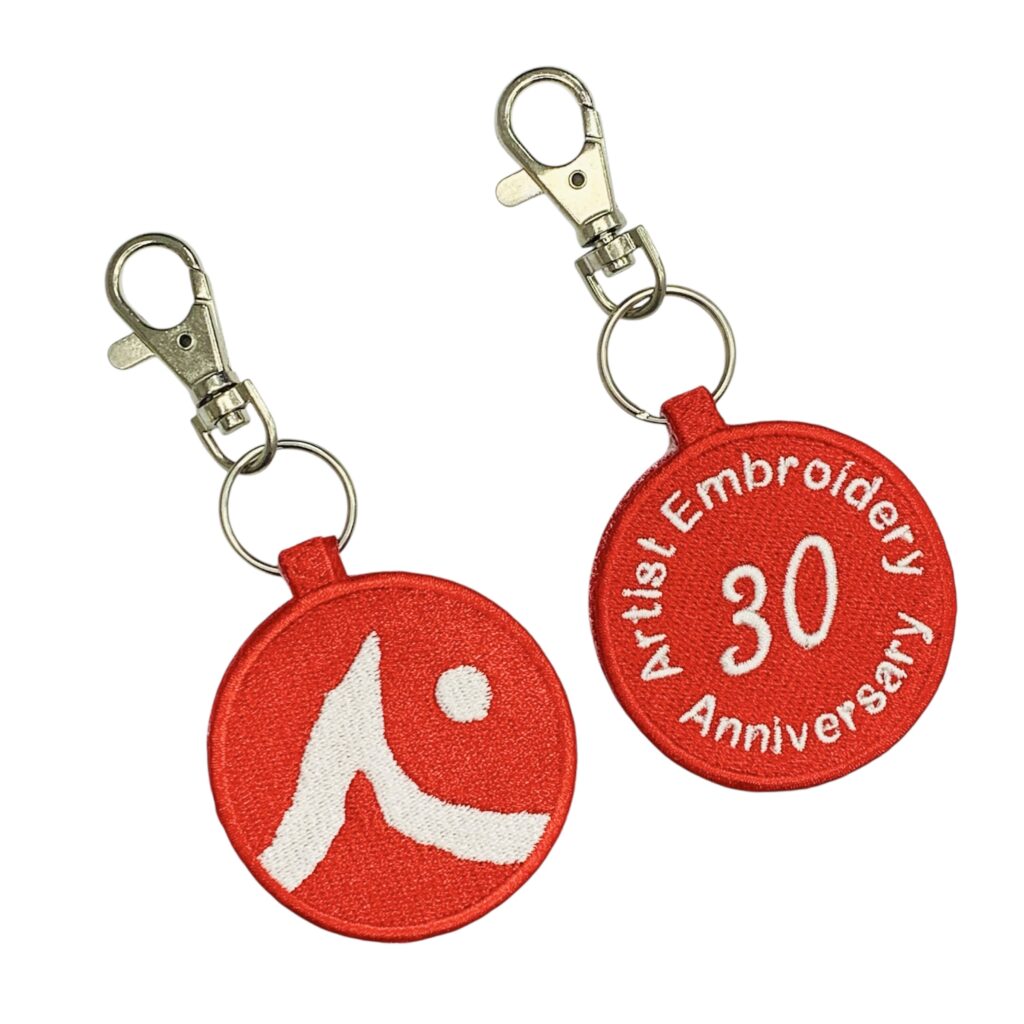
Embroidered badges have evolved far beyond their traditional roles in uniforms or organizations. In recent years, embroidered badges in marketing campaigns have become a strategic branding tool adopted by global brands, startups, and corporate marketing teams alike. Unlike disposable promotional materials, embroidered badges combine durability, emotional value, and visual identity, making them uniquely suited for modern marketing environments where brand recall and engagement matter more than ever.
As consumers become increasingly selective about what they keep, wear, and share, brands must rethink how physical marketing assets contribute to long-term brand recognition. This is precisely why marketing campaign embroidered badges are gaining attention—not only as event giveaways, but as tangible brand assets that extend the life of a campaign well beyond its original launch.
Introduction: The Rising Role of Embroidered Badges in Marketing Campaigns
In an era where digital advertising is oversaturated and consumer attention spans are shrinking, brands are actively seeking physical marketing tools that can create lasting impressions. Embroidered badges in marketing campaigns have emerged as one of the most effective solutions, offering both symbolic value and practical use. Rather than being discarded after an event, embroidered badges often become keepsakes—worn, collected, or displayed—continuing to communicate brand identity long after the campaign ends.
From brand launches and exhibitions to corporate events and experiential marketing activations, embroidered badges serve as a bridge between storytelling and physical interaction. Unlike flyers or standard merchandise, they invite participation and emotional attachment. When consumers wear or collect a badge, they actively associate themselves with the brand message behind it. This shift—from passive exposure to active engagement—is one of the key reasons why more brands are integrating custom embroidered badges for marketing campaigns into their strategies.
Another major factor driving adoption is versatility. Embroidered badges can be customized in size, shape, color, backing type, and design complexity, allowing marketers to align each badge precisely with campaign themes. Whether the goal is premium brand positioning, youth engagement, or limited-edition hype creation, embroidered badges can be tailored accordingly. Their tactile quality and craftsmanship also convey a sense of authenticity and value that printed materials often fail to achieve.
Moreover, embroidered badges align well with current marketing trends such as collectible branding, experiential marketing, and sustainable promotion. A well-designed badge reduces waste compared to disposable giveaways and supports brand narratives focused on longevity and quality. As a result, embroidered badges in marketing campaigns are no longer niche items—they are becoming central components of brand-driven experiences.
📊 Table: Why Brands Are Shifting Toward Embroidered Badges in Marketing Campaigns
| Marketing Need | Traditional Giveaways | Embroidered Badges in Marketing Campaigns |
|---|---|---|
| Brand Longevity | Short-term exposure | Long-term visibility and reuse |
| Emotional Engagement | Low | High (collectible and wearable) |
| Customization Level | Limited | Highly customizable |
| Perceived Value | Disposable | Premium and memorable |
| Sustainability | Often wasteful | Longer product lifecycle |
🔗 Extended Reading
- Complete Guide to Embroidered Patches
- How Embroidered Patches Enhance Brand Recognition
- Global Market Trends in Embroidered Patches
What Are Embroidered Badges in Marketing Campaigns and How Are They Different from Traditional Promotional Items?
Before brands can effectively integrate embroidered badges into their strategies, it is essential to clearly understand what embroidered badges in marketing campaigns actually are and how they differ from conventional promotional items. While many marketing giveaways aim for short-term visibility, embroidered badges are designed to function as durable brand carriers that continue to communicate a campaign’s message long after the event itself has ended.
At their core, marketing campaign embroidered badges are fabric-based brand identifiers created through stitching rather than printing. This production method gives them texture, depth, and a handcrafted appearance that immediately distinguishes them from flat, disposable materials. As a result, embroidered badges occupy a unique position between promotional merchandise and collectible brand assets.
Defining Embroidered Badges in the Context of Marketing Campaigns
In marketing campaigns, embroidered badges are not simply decorative accessories; they are strategic physical touchpoints. These badges typically feature a brand logo, campaign slogan, event theme, or symbolic graphic that aligns with a specific marketing objective. Unlike uniform badges that serve identification purposes, embroidered badges used in marketing campaigns are created to spark emotional connection, participation, and recall.
Because embroidered badges are wearable, attachable, or collectible, they encourage audiences to interact with the brand beyond the event space. When attendees place a badge on a jacket, backpack, or cap, they voluntarily become brand advocates. This transformation—from audience member to brand participant—is what makes embroidered badges particularly powerful in experiential and event-based marketing strategies.
How Embroidered Badges Differ from Traditional Promotional Items
Traditional promotional items such as flyers, brochures, stickers, or plastic giveaways are often consumed quickly and discarded just as fast. Their primary function is to deliver information in the moment, not to create long-term brand association. In contrast, embroidered badges in marketing campaigns are designed for retention rather than disposal.
One key difference lies in perceived value. Embroidered badges are commonly associated with craftsmanship, exclusivity, and authenticity. This perception increases the likelihood that recipients will keep the item, wear it, or even collect multiple versions. Additionally, embroidered badges offer greater creative flexibility in terms of texture, stitching style, and material selection, allowing brands to align physical design with brand positioning more precisely.
Another major distinction is lifespan. While printed materials fade or tear easily, embroidered badges maintain their appearance over time, ensuring repeated brand exposure. This makes them especially suitable for campaigns focused on long-term brand building rather than one-off promotions.
📊 Table: Embroidered Badges vs. Traditional Promotional Items in Marketing Campaigns
| Comparison Criteria | Traditional Promotional Items | Embroidered Badges in Marketing Campaigns |
|---|---|---|
| Material Quality | Paper or plastic | Fabric with stitched embroidery |
| Perceived Brand Value | Low to moderate | High and premium |
| Usage Duration | Short-term | Long-term and reusable |
| Emotional Connection | Limited | Strong (wearable and collectible) |
| Brand Recall | Temporary | Sustained over time |
| Customization Depth | Basic printing | Advanced stitching and textures |
🔗 Extended Reading
- Complete Guide to Embroidered Patches
- How Embroidered Patches Enhance Brand Recognition
- Global Market Trends in Embroidered Patches
Why Marketing Campaigns Are Shifting Toward Long-Lasting Embroidered Badges
Modern marketing campaigns are no longer judged solely by short-term impressions or event-day engagement. Brands are increasingly measured by how long their message stays relevant after a campaign ends. This shift in evaluation criteria explains why embroidered badges in marketing campaigns are gaining preference over disposable promotional items. Longevity, reuse, and sustained visibility have become critical factors in determining the true return on marketing investment.
Unlike one-time giveaways, embroidered badges naturally extend a campaign’s lifespan. Their physical durability and emotional appeal allow them to exist beyond the original marketing moment, making them a strategic asset rather than a temporary expense.
The Importance of Long-Term Brand Exposure in Marketing Campaigns
One of the biggest challenges in contemporary marketing is maintaining brand visibility after an event concludes. Digital ads disappear once budgets run out, and printed materials often end up discarded within days. Embroidered badges in marketing campaigns, however, operate differently. Because they are wearable or attachable, they continue to circulate in real-world environments long after the campaign is over.
When recipients wear embroidered badges on bags, jackets, or hats, the brand message travels organically into new contexts—offices, schools, public transportation, and social gatherings. Each appearance reinforces brand recognition without additional advertising spend. Over time, this repeated exposure builds familiarity and trust, two essential components of long-term brand equity.
Furthermore, embroidered badges align well with campaigns that emphasize storytelling. A badge can symbolize participation in a specific event, movement, or brand moment, allowing recipients to associate personal experiences with the brand itself. This emotional layering significantly increases recall compared to traditional promotional materials.
Durability and Reusability as Strategic Marketing Advantages
Durability is a defining feature that sets embroidered badges apart from other marketing tools. Constructed through stitching rather than surface printing, embroidered badges resist fading, tearing, and wear. This durability ensures that the badge remains visually appealing even after extended use, reinforcing the brand’s commitment to quality.
Reusability also plays a major role. Many recipients reuse embroidered badges across multiple items or keep them as collectibles. This behavior transforms a single campaign asset into an ongoing brand touchpoint. From a sustainability perspective, this longer lifecycle reduces waste and aligns with environmentally conscious marketing narratives—an increasingly important consideration for modern brands.
By choosing long-lasting embroidered badges for marketing campaigns, brands effectively reduce cost per impression over time. While the initial production cost may be higher than paper-based alternatives, the extended exposure and engagement often result in superior overall value.
📊 Table: Short-Term Promotions vs. Long-Lasting Embroidered Badges in Marketing Campaigns
| Evaluation Factor | Short-Term Promotional Items | Embroidered Badges in Marketing Campaigns |
|---|---|---|
| Campaign Lifespan | Days or weeks | Months or years |
| Visibility After Event | Minimal | Continuous |
| Physical Durability | Low | High |
| Emotional Attachment | Weak | Strong |
| Sustainability Impact | Often disposable | Reusable and long-lasting |
| Cost Efficiency Over Time | Decreases quickly | Improves with repeated exposure |
🔗 Extended Reading
- How Embroidered Patches Enhance Brand Recognition
- Collectible Embroidered Patches and Their Market Value
- Global Market Trends in Embroidered Patches
How Embroidered Badges Strengthen Brand Identity in Marketing Campaigns
Brand identity is one of the most critical success factors in modern marketing campaigns. Beyond logos and slogans, brands must communicate values, personality, and consistency across every touchpoint. This is where embroidered badges in marketing campaigns offer a distinct advantage. Unlike disposable promotional materials, embroidered badges function as physical brand symbols that audiences can see, touch, wear, and emotionally connect with—making them powerful tools for reinforcing brand identity.
When used strategically, embroidered badges do more than display a logo; they embody craftsmanship, intention, and brand storytelling. As a result, many brands now view embroidered badges not as accessories, but as extensions of their core visual identity system.
Embroidered Craftsmanship as a Signal of Brand Quality
One of the strongest ways embroidered badges contribute to brand identity is through perceived quality. Stitching inherently communicates effort, detail, and durability. When audiences receive an embroidered badge, they subconsciously associate the brand with care and professionalism. This perception is especially valuable in competitive marketing environments where trust and differentiation matter.
Unlike printed graphics that sit on the surface, embroidery adds dimension and texture. Raised threads, layered stitching, and clean edge finishes create a tactile experience that reinforces brand authenticity. For premium or heritage-focused brands, embroidered badges in marketing campaigns align naturally with narratives of craftsmanship and long-term value. Even for modern or youth-oriented brands, embroidery can be stylized to feel bold, playful, or minimalist while still maintaining quality signals.
This tactile branding effect is difficult to replicate through digital or printed materials alone, making embroidered badges a unique asset in multi-channel marketing strategies.
Translating Visual Identity into Wearable Brand Symbols
A strong brand identity depends on consistency across colors, typography, and visual language. Embroidered badges allow brands to translate these elements into wearable or collectible forms. Through careful selection of thread colors, stitch density, badge shape, and border style, marketers can ensure that the badge reflects the brand’s visual DNA.
In marketing campaigns, this consistency helps reinforce recognition. When participants see or wear the badge repeatedly, the brand’s visual cues become familiar and memorable. Over time, these repeated exposures strengthen brand recall without requiring additional advertising spend.
Moreover, embroidered badges encourage voluntary brand alignment. When people choose to wear a badge, they publicly associate themselves with the brand’s identity and values. This form of self-expression transforms passive audiences into active brand ambassadors—one of the most effective outcomes any marketing campaign can achieve.
📊 Table: How Embroidered Badges Reinforce Brand Identity in Marketing Campaigns
| Brand Identity Element | Standard Promotional Items | Embroidered Badges in Marketing Campaigns |
|---|---|---|
| Perceived Quality | Low to moderate | High and premium |
| Visual Consistency | Limited | Highly customizable |
| Tactile Experience | None | Strong and memorable |
| Brand Recognition | Short-lived | Reinforced over time |
| Emotional Connection | Weak | Strong and personal |
| Brand Advocacy | Passive | Active (wearable branding) |
🔗 Extended Reading
- How Embroidered Patches Enhance Brand Recognition
- How to Design Artwork for Embroidery
- High-Density Embroidery and Stitch Count Explained
Application Scenarios of Embroidered Badges in Marketing Campaigns
One of the strongest reasons why embroidered badges in marketing campaigns have become increasingly popular is their adaptability across a wide range of marketing scenarios. Unlike single-purpose promotional items, embroidered badges can be strategically integrated into various campaign formats, audiences, and objectives. From high-profile brand launches to internal corporate engagement, embroidered badges provide a flexible and impactful branding solution that works both during and after the event.
By understanding where and how embroidered badges are most effectively applied, brands can maximize engagement, visibility, and long-term value from their marketing campaigns.
Brand Launches, Product Releases, and Promotional Events
Brand launches and product releases are prime opportunities for embroidered badge usage. These events are designed to create excitement, identity, and emotional connection—exactly the areas where embroidered badges excel. A well-designed badge featuring a campaign logo, product icon, or launch date becomes a physical symbol of participation, allowing attendees to take a piece of the experience with them.
In marketing campaigns, embroidered badges distributed at launch events often function as limited-edition items. This sense of exclusivity increases perceived value and encourages recipients to keep and wear the badge, extending brand exposure beyond the event itself. For lifestyle and consumer brands, badges can also be styled to match fashion trends, making them more likely to appear on bags, jackets, or accessories in daily life.
Trade Shows, Exhibitions, and Experiential Marketing Campaigns
Trade shows and exhibitions present intense competition for attention. Booth visitors are exposed to countless brands within a short period, making differentiation critical. Embroidered badges in marketing campaigns offer a distinctive advantage by creating interactive engagement rather than passive information exchange.
Brands often incorporate embroidered badges into experiential marketing mechanics—such as completing activities, attending demos, or participating in challenges to earn a badge. This gamified approach increases booth dwell time and enhances memorability. Because embroidered badges are wearable, they also turn visitors into walking brand displays throughout the event venue, amplifying exposure organically.
Internal Branding, Corporate Events, and Employee Engagement
Beyond external marketing, embroidered badges are increasingly used in internal campaigns. Corporate anniversaries, team-building events, training programs, and company milestones all benefit from tangible symbols of participation and achievement. When employees receive embroidered badges tied to company values or accomplishments, it strengthens internal brand culture and pride.
These internal applications also support employer branding. Employees who wear or display badges outside the workplace contribute to authentic brand advocacy, reinforcing corporate identity in a natural and credible way.
📊 Table: Common Application Scenarios for Embroidered Badges in Marketing Campaigns
| Campaign Type | Purpose | How Embroidered Badges Are Used |
|---|---|---|
| Brand Launch Events | Create excitement and identity | Limited-edition launch badges |
| Product Promotions | Reinforce product recognition | Product-themed embroidered designs |
| Trade Shows & Exhibitions | Increase engagement | Activity-based or collectible badges |
| Experiential Marketing | Encourage participation | Task or challenge reward badges |
| Corporate Events | Strengthen internal branding | Anniversary or achievement badges |
| Employer Branding | Promote company culture | Wearable employee recognition badges |
🔗 Extended Reading
- Application Scenarios of Brand-Specific Embroidered Badges
- Embroidered Patches in the Uniform Industry
- Sports Team Embroidered Badges Guide
Why Embroidered Badges Increase Engagement and Participation in Marketing Campaigns
Engagement is one of the most difficult goals to achieve in modern marketing campaigns. With audiences constantly exposed to digital ads, emails, and promotional noise, brands must create experiences that encourage active participation rather than passive observation. This is where embroidered badges in marketing campaigns demonstrate exceptional value. By offering something tangible, wearable, and meaningful, embroidered badges motivate audiences to interact with a campaign on a deeper level.
Unlike standard giveaways that are simply handed out, embroidered badges often require participation—making them powerful tools for driving engagement and memorable brand experiences.
Wearable Interaction: Turning Participants into Brand Advocates
One of the primary reasons embroidered badges boost engagement is their wearable nature. When campaign participants receive an embroidered badge, they are not just receiving information; they are being invited to represent the brand publicly. This transforms engagement from a one-time interaction into ongoing exposure.
In marketing campaigns, badges are frequently earned rather than given away. For example, attendees may need to complete a task, attend a presentation, or participate in an activity to receive a badge. This sense of achievement increases emotional attachment to the item and, by extension, the brand. Once worn on clothing, bags, or accessories, embroidered badges allow participants to visually express their involvement, turning them into voluntary brand ambassadors.
This type of engagement is particularly effective in experiential marketing, where physical interaction and emotional response are key performance indicators.
Collectibility and Gamification in Marketing Campaigns
Another major engagement driver is collectibility. Embroidered badges in marketing campaigns are often designed as limited editions, series sets, or milestone rewards. This approach taps into gamification psychology, encouraging participants to return, complete additional actions, or attend multiple events to collect all versions.
Collectible embroidered badges are especially effective for multi-phase campaigns, trade shows, and brand communities. Each badge represents a moment or achievement, reinforcing brand loyalty over time. Compared to digital rewards or printed coupons, embroidered badges carry a higher perceived value and sense of permanence.
Gamified badge systems also encourage social sharing. Participants often photograph or display their collections, extending campaign reach organically across social platforms without additional advertising spend.
📊 Table: How Embroidered Badges Drive Engagement in Marketing Campaigns
| Engagement Factor | Standard Giveaways | Embroidered Badges in Marketing Campaigns |
|---|---|---|
| Participation Requirement | None | Often task-based or earned |
| Emotional Attachment | Low | High (achievement-based) |
| Wearability | Rare | Core feature |
| Repeat Engagement | Unlikely | Encouraged through collections |
| Social Sharing Potential | Limited | Strong and organic |
| Brand Advocacy | Passive | Active and visible |
🔗 Extended Reading
- Collectible Embroidered Patches and Brand Loyalty
- Embroidered Badges as Brand Engagement Tools
- Global Market Trends in Embroidered Patches
Common Mistakes Brands Make When Using Embroidered Badges in Marketing Campaigns
While embroidered badges in marketing campaigns offer significant advantages, their effectiveness depends heavily on planning and execution. Many brands adopt embroidered badges with good intentions but fail to achieve meaningful results due to avoidable mistakes. These missteps can weaken brand impact, reduce engagement, or even turn a promising campaign asset into a missed opportunity. Understanding these common pitfalls allows marketers to maximize the value of embroidered badges and align them more effectively with campaign objectives.
Misalignment Between Badge Design and Campaign Objectives
One of the most frequent mistakes brands make is treating embroidered badges as decorative items rather than strategic communication tools. When badge design is disconnected from the campaign’s core message, the result is visual noise rather than meaningful branding. For example, a badge that looks stylish but fails to reflect the campaign theme, brand tone, or target audience can dilute brand identity instead of strengthening it.
In marketing campaigns using embroidered badges, every design element—shape, color palette, typography, and iconography—should reinforce the campaign narrative. A premium brand using low-detail stitching or inconsistent colors may unintentionally send mixed signals about quality. Similarly, overly complex designs can reduce readability and limit wearability, decreasing the badge’s long-term exposure potential.
Effective embroidered badges translate campaign goals into simple, recognizable symbols that audiences immediately associate with the brand.
Overlooking Practical Factors Such as Size, Backing, and Wearability
Another common error is neglecting functional considerations. Even the most visually appealing embroidered badge will fail if it is uncomfortable to wear or difficult to attach. Size that is too large may feel intrusive, while badges that are too small may lose visual impact. Likewise, selecting the wrong backing—such as iron-on for temporary events or unsuitable adhesives—can reduce usability.
Brands sometimes underestimate how and where recipients will use the badge. Embroidered badges in marketing campaigns should be designed with real-life usage in mind, whether on apparel, bags, or accessories. Ignoring wearability reduces the likelihood that the badge will be displayed publicly, limiting organic brand exposure.
Additionally, failing to consider production timelines is a costly mistake. Poor planning can result in delayed delivery, forcing brands to rush distribution or remove badges from the campaign altogether.
📊 Table: Common Mistakes vs. Best Practices for Embroidered Badges in Marketing Campaigns
| Common Mistake | Impact on Campaign | Recommended Best Practice |
|---|---|---|
| Design not aligned with campaign | Weak brand messaging | Align visuals with campaign goals |
| Overly complex embroidery | Reduced clarity | Keep designs simple and recognizable |
| Incorrect badge size | Low wearability | Optimize size for daily use |
| Inappropriate backing choice | Limited usability | Match backing to usage scenario |
| Ignoring production timelines | Delayed campaigns | Plan manufacturing early |
| Treating badges as giveaways only | Low engagement | Integrate into participation mechanics |
🔗 Extended Reading
- How to Design Artwork for Embroidery
- High-Density Embroidery and Stitch Count Explained
- Laser Cutting in Embroidery Applications
FAQ: Embroidered Badges in Marketing Campaigns
As more brands explore embroidered badges in marketing campaigns, questions naturally arise around practicality, cost, design, and effectiveness. The following frequently asked questions address the most common concerns from marketers, brand managers, and event planners who are considering embroidered badges as part of their campaign strategy. These answers are designed to clarify decision-making and help brands use embroidered badges more effectively.
Q1: Are embroidered badges suitable for all types of marketing campaigns?
Yes, embroidered badges can be adapted to a wide range of marketing campaigns, including brand launches, exhibitions, corporate events, and experiential marketing. Their flexibility in design and application allows them to align with both B2B and B2C strategies.
Q2: Why are embroidered badges more effective than standard promotional giveaways?
Embroidered badges offer higher perceived value, durability, and emotional connection. Unlike disposable items, they are wearable or collectible, which extends brand exposure beyond the campaign duration.
Q3: What makes embroidered badges ideal for experiential marketing campaigns?
Experiential marketing focuses on participation and memory creation. Embroidered badges are often earned through interaction, making them symbolic rewards that reinforce engagement and brand recall.
Q4: Can embroidered badges work for short-term marketing campaigns?
Yes. Even short-term campaigns benefit because embroidered badges remain in use after the campaign ends, continuing to promote the brand organically over time.
Q5: How customizable are embroidered badges for marketing campaigns?
Highly customizable. Brands can control size, shape, thread colors, stitching style, backing type, and overall design to match campaign themes and brand identity.
Q6: Are embroidered badges expensive compared to other promotional items?
While the unit cost may be higher than paper-based items, the long lifespan and repeated exposure often result in better cost efficiency over time.
Q7: What size works best for embroidered badges in marketing campaigns?
Medium-sized badges are generally preferred, as they balance visibility and wearability. The ideal size depends on where the badge will be worn or displayed.
Q8: How do embroidered badges support brand recognition?
Through repeated real-world exposure. When people wear or display embroidered badges, brand visuals are reinforced naturally without additional advertising spend.
Q9: Can embroidered badges be used as collectible marketing tools?
Absolutely. Many brands design limited-edition or series-based embroidered badges to encourage repeat engagement and long-term brand loyalty.
Q10: How early should embroidered badges be planned in a marketing campaign?
Ideally during the early planning stage. Early coordination ensures proper design development, production timelines, and seamless campaign integration.
CTA: Turning Embroidered Badges into Long-Term Marketing Assets
In today’s competitive marketing environment, successful campaigns are no longer defined by short-lived exposure alone. Brands that stand out are those that invest in marketing assets capable of delivering long-term value, sustained visibility, and meaningful engagement. Embroidered badges in marketing campaigns represent one of the most effective ways to achieve these goals, transforming temporary promotions into enduring brand experiences.
When thoughtfully designed and strategically implemented, embroidered badges become more than event giveaways—they become wearable brand symbols that continue to communicate your message long after the campaign has ended.
Partner with an Experienced Embroidered Badge Manufacturer
To fully unlock the potential of embroidered badges in marketing campaigns, working with a professional embroidery manufacturer is essential. From artwork optimization and material selection to stitching quality and production timelines, expert guidance ensures that every badge reflects your brand’s standards and campaign objectives.
At Artist Embroidery, we specialize in custom embroidered badges for marketing campaigns, supporting brands across industries with OEM and ODM solutions. Our team works closely with marketing professionals to translate campaign concepts into high-quality embroidered products that deliver both visual impact and durability.
Whether you are planning a product launch, exhibition, corporate event, or experiential marketing campaign, we provide end-to-end support to help you create embroidered badges that strengthen brand identity, increase engagement, and extend campaign lifespan.
Contact Us to Start Your Marketing Campaign with Embroidered Badges
Artist Embroidery Corporation
📞 Phone: +886-2-8245-8989
📧 Email: service@artistembroidery.com
🏢 Office Address: 7 F., No. 21, Qiao’an St., Zhonghe Dist.,New Taipei City 235026, Taiwan
🏭 Factory Address: No. 12, Zhiwa 2nd Rd.,Shetou Township, Changhua County 511006, Taiwan
🔗 Extended Reading
 English
  Japanese
  Chinese
  Korean
  Spanish
  French
  Russian
  Portuguese
  German